
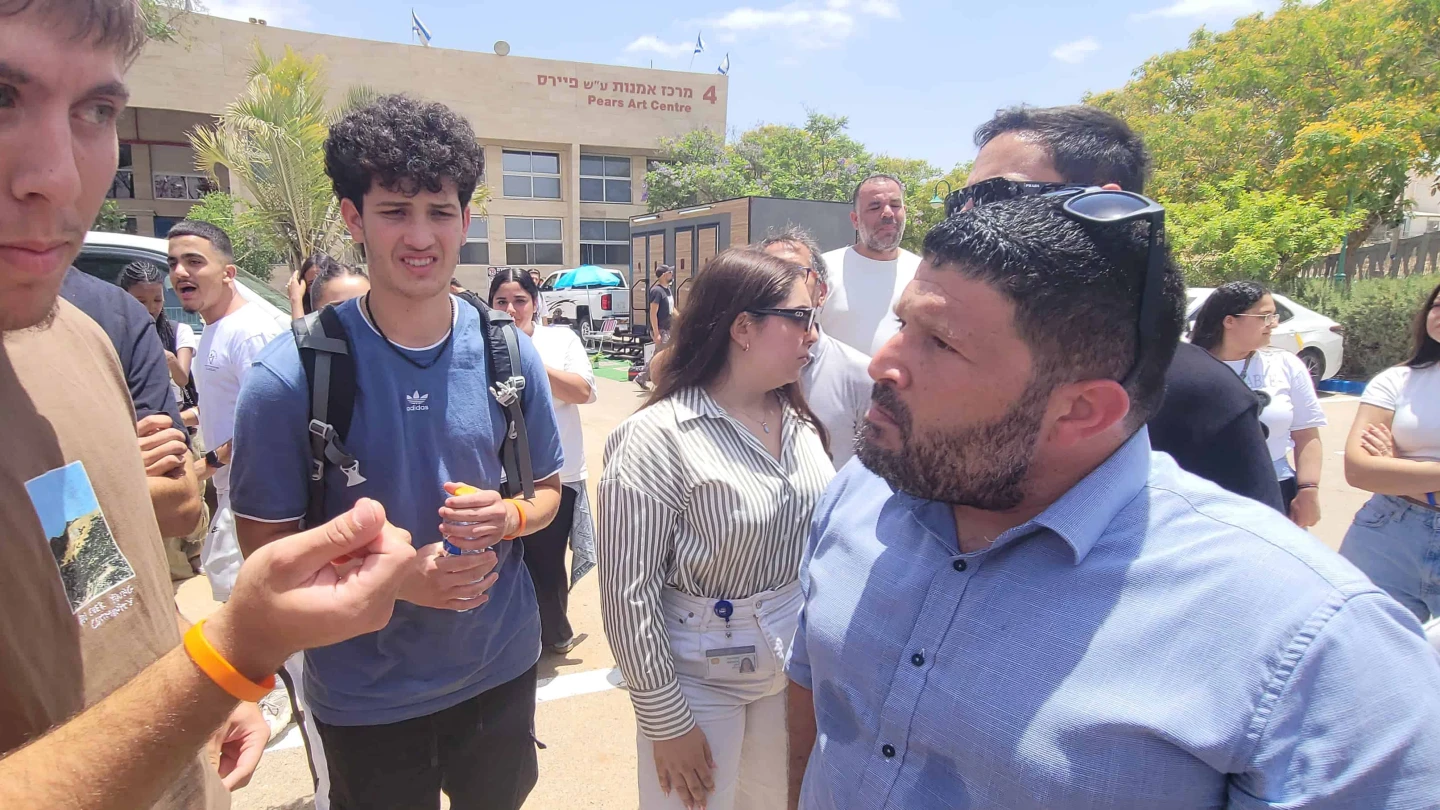
As Israel’s national election approaches on October 27, 2026, the ruling Likud party, led by Prime Minister Benjamin Netanyahu, is actively campaigning to connect with voters and articulate their agendas. Party representatives, including candidate Almog Cohen, are highlighting their commitment to national security and a vision for Israel’s future.
Likud’s Election Strategy
Cohen, a former lawmaker and current deputy minister, emphasizes grassroots engagement during campaign events. After attending a recent rally in Dimona that saw significant public turnout, he expressed confidence that the Likud party truly reflects the diverse interests of the population. Positioned favorably in polls, Cohen, ranked 13th on the Likud list, is optimistic about the party capturing more than 20 seats in the Knesset. “We are a right-wing faction led by a historically significant leader,” he stated, pointing out that Netanyahu has resisted international pressure to alter military strategies in the ongoing conflict involving Hamas.
In an extensive interview, Netanyahu outlined ambitious goals for a potential new term, which include destabilizing Iran’s regime and its associated militant groups, expanding the Abraham Accords to integrate more Muslim-majority nations, and thwarting the establishment of a Palestinian state. He acknowledges the complexities of international relationships while proposing plans to enhance local weapon production and fortify Israel’s regional position.
Fostering Community Development
Cohen has expressed a strong desire to enhance Israel’s infrastructure, particularly in the Negev and Galilee regions, where he envisions the construction of an international airport to stimulate economic growth and create approximately 14,000 jobs. He remains dedicated to combating crime and terrorism, and views public service as a lifelong mission.
Eti Hava Atia, another hopeful for Knesset, expressed an air of optimism about the upcoming elections. Ranked 20th on the Likud list, she believes her party embodies the principles of Zionism, nationalism, and responsibility, all aimed at improving the well-being of Israeli citizens. Atia’s campaign prioritizes support for vulnerable populations, including women, the elderly, and disadvantaged communities, while advocating for economic equality and security.
Addressing National Security
With the election being positioned as highly competitive, Knesset member Amit Halevi stated that the party’s strong foundation in national security makes it the most viable option for voters. In light of ongoing conflict, he argues that Israel’s victory relies on strategic foresight and a profound understanding of its adversaries. Netanyahu’s recent proposals, which advocate for a shift in defense strategies, emphasize the need for proactive measures, including preemptive strikes.
Moreover, the Prime Minister laid out a new national security doctrine that underscores Israel’s status as a regional powerhouse. This doctrine highlights the necessity for military excellence and innovation, as well as the urgency to combat international antisemitism and prevent threats, including nuclear capabilities from adversaries.
The Future of Israeli Politics
Moshe Saada, another candidate within the Likud ranks, believes the election serves as a critical choice between different political visions. He emphasizes that Netanyahu’s strategic actions have transformed the regional landscape regarding adversaries like Gaza, Lebanon, and Syria. Saada is confident about Netanyahu’s ability to tackle future challenges, especially in cooperation with U.S. leadership.
As the election approaches, the Likud party’s agenda underscores a mix of national security, economic growth, and community development. Whether their strategies resonate with voters will ultimately determine the future landscape of Israeli politics and governance.