
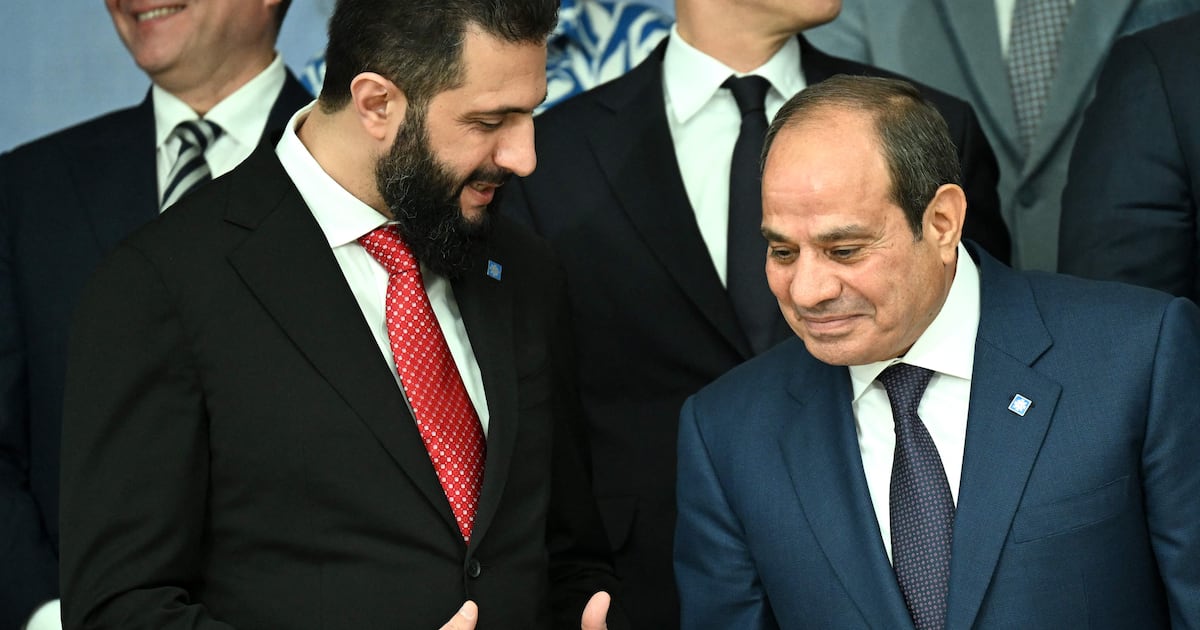
Egypt and Syria share a complex history of alliance and division. Once regarded as the backbone of Arab nationalism, these two nations briefly united over half a century ago and orchestrated a surprise attack against Israel in 1973. Today, however, their relationship is strained. While Egypt maintains a firm stance against political Islam, Syria’s current regime, led by Bashar Al Assad, has deep roots in that ideology, causing friction between the two.
Evolving Diplomatic Relations
Despite their differences, recent discussions hint at a thaw in relations, primarily fueled by economic interests. Sources from both Cairo and Damascus suggest that economic collaboration may pave the way for improved ties as Egypt looks to secure reconstruction contracts in war-torn Syria. The prolonged civil war has left Syria in ruins, making it a fertile ground for investment opportunities. This economic lens provides a new perspective where both nations could potentially benefit from cooperation.
Historically, Egypt’s support for Assad’s regime has been guided by its aversion to political Islam, a sentiment that was particularly pronounced during the brief presidency of Islamist Mohamed Morsi from 2012 to 2013. Morsi’s government criticized Assad, aligning Egypt against an allied Arab state. Following Morsi’s ousting in 2013, President Abdel Fattah El Sisi reinstated support for Assad, signaling a broader shift in Egypt’s policy. As the political landscape shifts, any significant change in Syria was met with caution from Cairo, even as the Assad regime was challenged.
Trust and Security Concerns
Egypt’s skepticism towards the evolving political order in Syria can be attributed to its lack of trust in governments that have come to power through upheaval. Even when the Assad regime is removed, the extensive network of security and diplomatic ties previously established with Cairo is left in disarray. This breakdown complicates the prospect of rebuilding trust and collaboration, which both nations will need if they are to reforge their former bonds.
Furthermore, Egypt remains wary of Islamist groups within Syria, a concern that dates back to decades of struggles against political Islam domestically. This longstanding fight has influenced not only its internal policy but also its foreign relations, especially given the context of counter-terrorism efforts in collaboration with allies such as the U.S. and the European Union.
Future of Egypt-Syria Relations
As both countries navigate their current circumstances, there are elements compelling Egypt to soften its stance. Maintaining an adversarial relationship risks ceding influence to other regional players, especially as they compete to shape Syria’s future. Recent moves, such as the meetings between high-ranking officials from both governments, indicate that both nations recognize mutual benefits in evolving cooperation.
Egypt’s aspiration to become a regional leader in liquefied natural gas and its interest in Syria’s reconstruction further underline the imperative for dialogue. Additionally, with economic ties potentially emerging, both nations are likely to find common ground. Syria’s need to protect its citizens living in Egypt, many of whom have become integral to the local economy, adds another layer of motivation for diplomatic engagement.
In conclusion, while the path to improved Egypt-Syria relations appears fraught with challenges, the potential for economic collaboration may offer a softening of tensions. With both nations grappling with internal and external pressures, the future will depend heavily on their ability to find common ground and rebuild trust.