
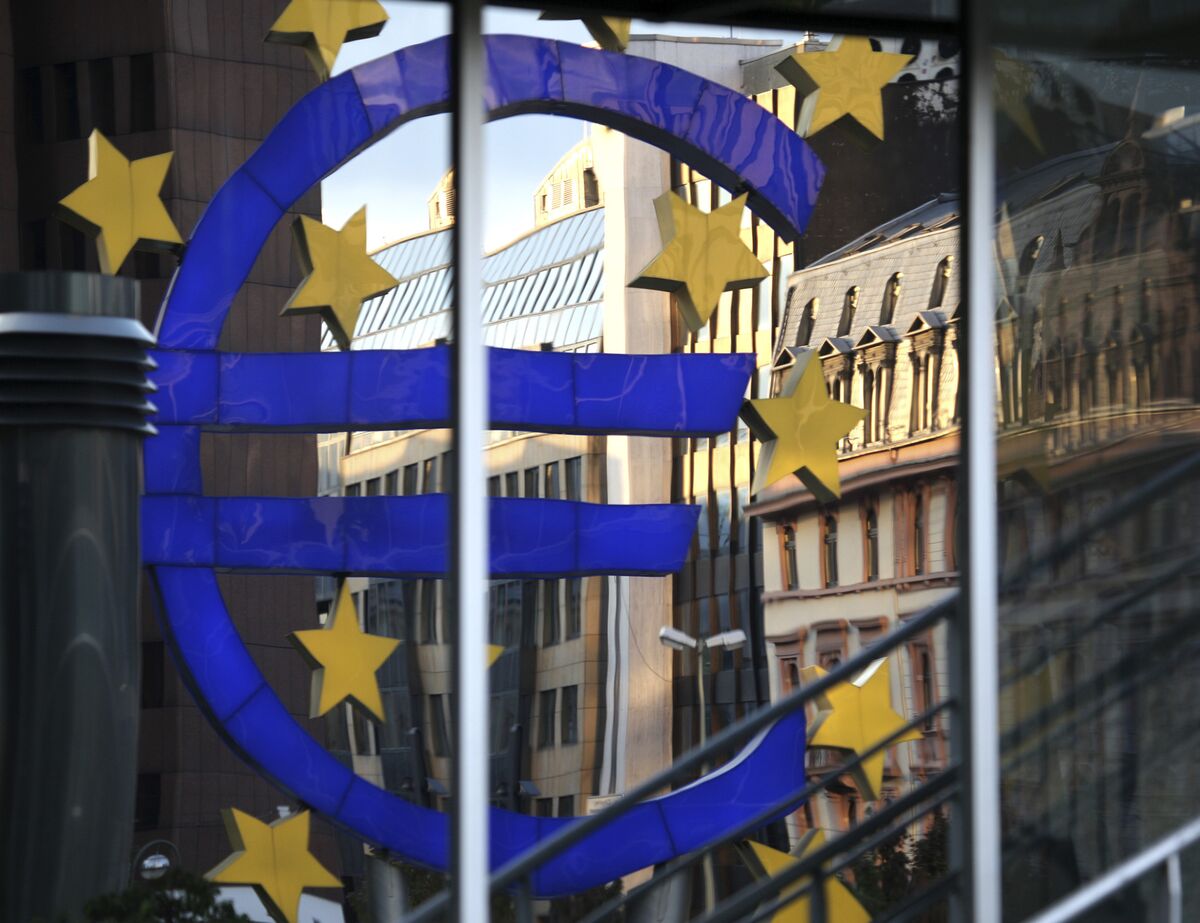
The European Central Bank (ECB) is on track to raise interest rates in the upcoming month, barring the emergence of a lasting peace agreement between the United States and Iran. This assertion comes from Martin Kocher, a member of the ECB Governing Council, who emphasizes the critical impact of geopolitical factors on economic stability.
Importance of Interest Rate Decisions
Interest rates play a pivotal role in shaping the economic landscape of the Eurozone. A rise in rates can lead to increased borrowing costs for individuals and businesses, potentially cooling economic growth. The ECB’s decision-making process is influenced by various economic indicators, and geopolitical tensions, such as those between the US and Iran, are increasingly becoming significant factors. The uncertainty stemming from international relations can exacerbate inflation and affect currency stability, compelling central banks to act decisively to maintain economic equilibrium.
Geopolitical Factors and Economic Stability
The potential for a peace deal between the US and Iran introduces a layer of complexity into the ECB’s decision-making. Such an agreement could alleviate some of the market tensions that contribute to inflationary pressures within the Eurozone. Conversely, a lack of progress in negotiations could lead to heightened risks, consequently spurring the ECB to increase interest rates to stave off inflation. The interconnectedness of global markets means that decisions made by one country or region can have cascading effects worldwide, making it crucial for the ECB to monitor these developments closely.
Market Reactions and Implications
Financial markets tend to react swiftly to predictions regarding interest rate changes. Investors closely analyze the ECB’s communication for indications of its future monetary policy direction. If the ECB does decide to raise rates next month, it may lead to a stronger Euro, impacting both imports and exports. Companies that rely on foreign trade may need to adjust their strategies accordingly. Additionally, consumers could face higher borrowing costs, which might affect spending and saving behaviors in the Eurozone.
Looking Ahead: Economic Recovery and Central Bank Policies
As the Eurozone continues its recovery from the financial disruptions caused by the pandemic, the ECB’s strategies will be vital in fostering economic resilience. The Governing Council’s ability to navigate the delicate balance between growth and inflation will determine the region’s economic outlook. Continuous assessment of both domestic economic performance and international geopolitical developments will remain essential. The ECB must remain adaptable to changing circumstances, ensuring its monetary policy can respond effectively to emerging challenges.
In summary, the prospective interest rate increase by the ECB hinges on various external factors, particularly the ongoing dialogue between the US and Iran. The intricate relationship between geopolitical events and economic stability necessitates vigilant oversight by the central bank. As the situation evolves, the implications of forthcoming decisions on interest rates will be felt across the Eurozone economy. The path toward a sustainable economic future requires the ECB to weigh these complexities carefully while striving to maintain stability and foster growth.