
The annual Hajj pilgrimage holds significant spiritual importance for Muslims around the globe. Taking place in Mecca, Saudi Arabia, this pilgrimage draws millions each year, reflecting the dedication and devotion of believers. However, with the massive influx of people, there are challenges that arise, such as managing the physical and emotional needs of the participants.
Challenges of the Hajj Pilgrimage
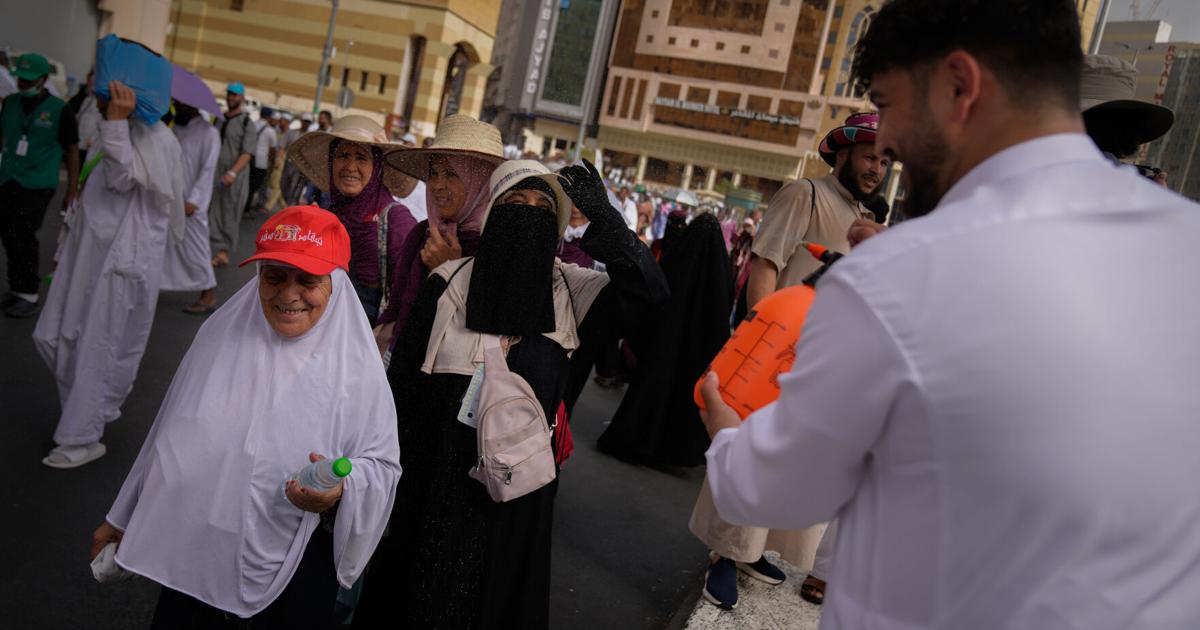
One of the most pressing issues during Hajj is the extreme weather conditions. Pilgrims often face intense heat, which can lead to dehydration and exhaustion. Volunteers play a crucial role in alleviating these difficulties by providing water and shade. For instance, during peak moments of the pilgrimage, many volunteers are seen distributing water bottles and setting up cooling stations. This support is vital, as staying hydrated and cool is essential for maintaining the health of all attendees.
Moreover, crowd management is another critical challenge during Hajj. With millions of pilgrims congregating in limited spaces, ensuring everyone’s safety becomes a daunting task. Authorities implement various measures—including the use of technology like drones and surveillance cameras—to monitor crowds and maintain order. Additionally, designated pathways and timings for rituals help to manage movement and minimize congestion in high-traffic areas.
The Spiritual Journey of Hajj
Despite the challenges, the spiritual significance of Hajj remains central to the experience. This pilgrimage is not just a physical journey but also an emotional and spiritual one. Pilgrims engage in prayers, rituals, and reflections that deepen their faith and bring them closer to their spiritual goals. For many, the sacrifices made during this time further enhance their connection to God, making the experience profoundly transformative.
One of the key rituals is the Tawaf, where participants circumambulate the Kaaba, a sacred structure believed to be the house of God. This act symbolizes unity among believers as they express their devotion. Another crucial aspect is the standing at Arafat, a day of prayer and contemplation that is often considered the pinnacle of Hajj.
Role of Community and Volunteers
The sense of community during Hajj is palpable. Pilgrims come together, sharing experiences, and supporting one another. Volunteers represent the heart of this community spirit. They provide essential services ranging from medical assistance to emotional support. Their unwavering dedication ensures that participants can focus on their spiritual journey, further solidifying the bond among pilgrims.
As the Hajj continues to grow in size each year, the collaboration between authorities, volunteers, and the pilgrims themselves becomes increasingly vital. By addressing challenges with compassion and ingenuity, they make this spiritual journey not only feasible but also enriching for all involved.
In conclusion, while the Hajj pilgrimage presents its share of challenges, the united efforts of volunteers, authorities, and pilgrims help create a meaningful experience. Through community support and shared spirituality, Hajj remains a cornerstone of Islamic practice, embodying the essence of faith, compassion, and unity.