
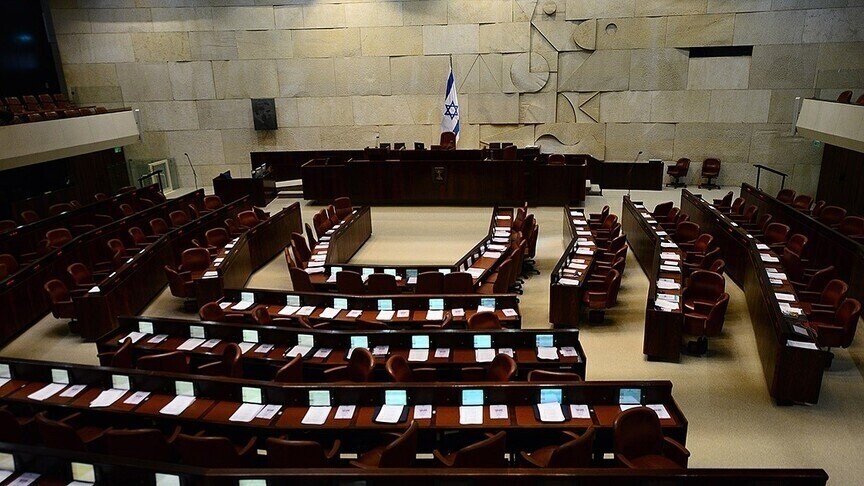
In a significant political move, allies of Israeli Prime Minister Benjamin Netanyahu are exploring legal and political avenues to exclude the United Arab List party, known as Ra’am, from the upcoming Knesset elections. This initiative has stirred considerable debate and scrutiny in the Israeli political landscape.
Proposed Legal Measures Against Ra’am
According to local media reports, discussions surrounding the exclusion of Ra’am align with proposals to label the southern branch of the Islamic Movement as a terrorist organization. This designation stems from ongoing allegations that the movement has channelled funds to Gaza amid the ongoing conflict. The conversations among Netanyahu’s coalition are reportedly focused on legislative measures that would require approval from the Knesset. Additionally, assessments from Israeli security agencies, particularly the Shin Bet domestic security service, would be necessary to move forward with these proposals.
The urgency for such actions appears to be increasing as political preparation intensifies ahead of the expected elections, although no official date has been announced. The situation remains fluid, with ongoing discussions that could significantly shape the future of Arab representation in Israeli politics.
Ra’am’s Historical Context and Current Status
Ra’am, led by Mansour Abbas, made history in 2021 as the first Arab party to join an Israeli governing coalition under the leadership of Naftali Bennett and Yair Lapid. This groundbreaking partnership was met with both support and criticism, fostering a complex dialogue regarding Arab political engagement in Israel. Presently, Ra’am holds five seats in the Knesset and continues to navigate a challenging political environment.
The discourse surrounding Arab parties in Israel has become increasingly strained since the onset of the Gaza conflict. Right-wing factions have mounted allegations against various Arab political groups, accusing them of endorsing terrorism based on their stances and humanitarian efforts related to the war. This growing tension underscores a significant shift in Israeli political dynamics, particularly against the backdrop of recent military actions in Gaza.
Implications of the Current Political Climate
As the current Knesset term is set to conclude in October, lawmakers have recently approved preliminary votes to dissolve the parliament, raising the possibility of early elections. If the dissolution bill progresses through additional readings, the Israeli political landscape may undergo substantial transformation.
The backdrop of this political maneuvering is arguably more harrowing, as the Israeli military has conducted an intense offensive on Gaza since October 2023, resulting in catastrophic human loss and extensive damage to civilian infrastructure. Reports indicate over 72,000 fatalities and more than 172,000 injuries, thereby exacerbating an already volatile region.
This context places added pressure on Ra’am and other Arab factions. The ramifications of their political choices amid the current crisis could redefine their future roles within Israel. As tensions heighten, ongoing scrutiny and criticism are anticipated, challenging the resilience of Arab parties within Israeli governance.
In conclusion, the landscape facing Ra’am and Arab political representation is unprecedented and fraught with obstacles. As Netanyahu’s allies push for legislative exclusion from elections, the implications could reverberate through Israeli politics, affecting not only governance but also the broader fabric of Arab-Israeli relations. The coming weeks may prove decisive in determining the future trajectory of this vibrant but endangered political community.