
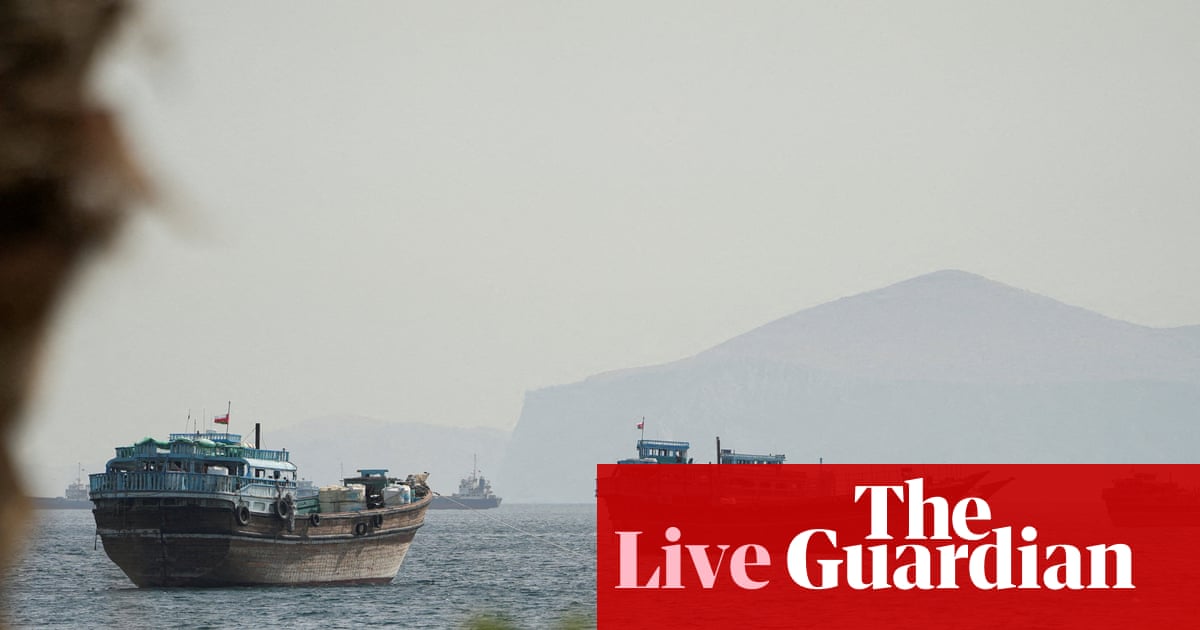
The ongoing conflict in the Middle East, particularly the turbulent relations between the United States and Iran, has created an atmosphere of urgency and uncertainty. Recent discussions have emerged around a potential agreement aimed at resolving tensions, significantly impacting both geopolitical dynamics and global oil markets.
U.S.-Iran Negotiations Point Toward Possible Resolution
U.S. Secretary of State Marco Rubio expressed optimism Monday, indicating that an agreement to end hostilities with Iran could be finalized “today.” This comes on the heels of a significant drop in oil prices and a notable rise in Asian markets, fueled by hopes that a deal between the U.S. and Iran could not only bring a halt to the ongoing conflict but also reopen the strait of Hormuz—a crucial artery for global oil shipping. By the time reports surfaced, Brent crude futures had diminished by 4.5%, reaching a price of $98.83 per barrel.
While Rubio conveyed a sense of cautious optimism, he also advised against over-expectations regarding the negotiations. “We thought we might have some news last night, maybe today – I wouldn’t read too much into it,” he stated during a visit to New Delhi. However, he emphasized that the framework for reopening the straits has substantial support in the Gulf region, suggesting that a deal might be more plausible than previously thought.
Contrasting Perspectives from U.S. Leadership
On the contrary, President Donald Trump recently dampened expectations by instructing his negotiators not to rush the process, underscoring that discussions with Iran are progressing in an organized and constructive manner. Sources from the Middle East indicated that a potential deal was imminent, offering paths to end the war and revive essential energy corridors.
However, Trump made it explicit that the blockade on Iranian vessels in the Hormuz strait would remain in effect until a formal agreement is secured and signed. He emphasized, “Both sides must take their time and get it right,” hinting at the complexities involved in settling differences between the two nations.
Criticism regarding the unfolding negotiations has been voiced by figures close to Trump’s administration, including former Secretary of State Mike Pompeo. Critics argue that the deal, if it materializes, may not significantly surpass the provisions of the 2015 nuclear deal initiated by President Barack Obama. This skepticism underscores a lingering concern that the proposed framework simply reverts to conditions available prior to the current crisis.
The Broader Implications for the Region
New developments indicate that any agreement with Iran may necessitate the cessation of Israel’s military operations in Lebanon. In the midst of the ongoing U.S.-brokered ceasefire between Israel and Hezbollah, which has recently been extended, Rubio affirmed Israel’s inherent right to self-defense. “If Hezbollah is going to launch missiles at them, Israel has every right to respond,” he stated emphatically.
This ongoing tension highlights the precarious balance that must be maintained within the region as negotiations proceed. Israeli Prime Minister Benjamin Netanyahu has asserted that Trump has reiterated America’s unwavering support for Israel’s right to defend itself against all forms of threat, including those arising from conflict areas in Lebanon.
As the situation evolves, the potential agreement could resonate far beyond the immediate parties involved, shaping the course of international relations and energy security. Consequently, the urgency for both diplomatic resolution and strategic stability remains at an all-time high.