
Australians recently returning from detention in Israel have reported severe mistreatment, including allegations of abuse and torture while in custody. They are calling for a meeting with Prime Minister Anthony Albanese to discuss their experiences and seek accountability.
Return from Detention
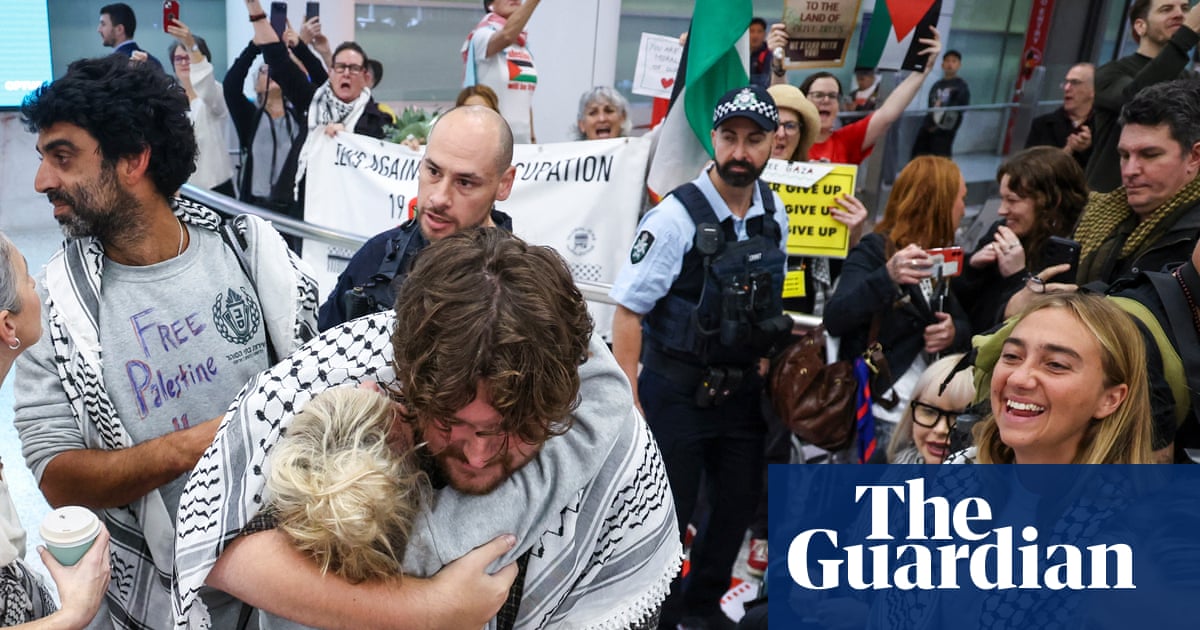
Nine of the eleven Australians who participated in an aid flotilla to Gaza returned home this past Monday. They were met with a warm welcome at airports in Sydney, Melbourne, and Brisbane, where hundreds of supporters gathered to greet them. The activists had been detained when Israeli forces intercepted their vessels heading for Gaza on May 18. Upon arrival, they received applause and chants of “free, free Palestine,” highlighting their commitment to the cause.
The activists wore grey sweatsuits branded with the Israeli prison service logo, which many had crossed out in protest, adding messages of support for Palestine instead. As they reunited with loved ones, they shared unsettling accounts of their time in custody, voicing allegations of abuse and mistreatment that sparked an international outcry.
Allegations of Mistreatment
Violet CoCo, an Australian climate activist, detailed her horrifying experience, claiming she was detained at gunpoint and subjected to various forms of abuse. She reported being stripped of her clothing, placed in a shipping container where she was beaten and sexually assaulted, and denied food, water, and legal representation. This trauma felt significantly elongated; CoCo stated, “It was only four days of my life, but it felt like months.” Her narrative also emphasized the psychological toll of living in constant fear of further cruelty.
Despite the claims made by CoCo and other activists, Israeli officials have denied all allegations of mistreatment, asserting that detainees were handled “in accordance with the law.” The Israeli ambassador to Australia, Hillel Newman, insisted that the detained individuals were treated with sensitivity and that no harm came to anyone during their detention.
Calls for Government Accountability
CoCo expressed frustration with the Australian government, stating that they felt “utterly failed.” She urged Prime Minister Albanese to meet with them and hear their stories firsthand, advocating for a reevaluation of Australia’s supportive stance towards Israel. Albanese, when addressed about their request, indicated that he was not inclined to respond without prior notice and emphasized that the government had clearly stated its position regarding the controversial behavior of Israeli national security minister Itamar Ben-Gvir.
Other returned activists also shared their distressing encounters. Surya McEwan recounted a violent experience that left him with serious injuries, while Neve O’Connor and Juliet Lamont detailed physical assaults and psychological trauma. Their accounts present a troubling picture of the atmosphere during their detention, leading to a growing chorus of calls for accountability and change in Australia’s diplomatic approach.
As discussions about these allegations continue, the broader implications for Australian-Israeli relations and potential repercussions remain uncertain. The situation underscores the increasingly complex dynamics surrounding humanitarian aid efforts and the treatment of activists in contested regions.