
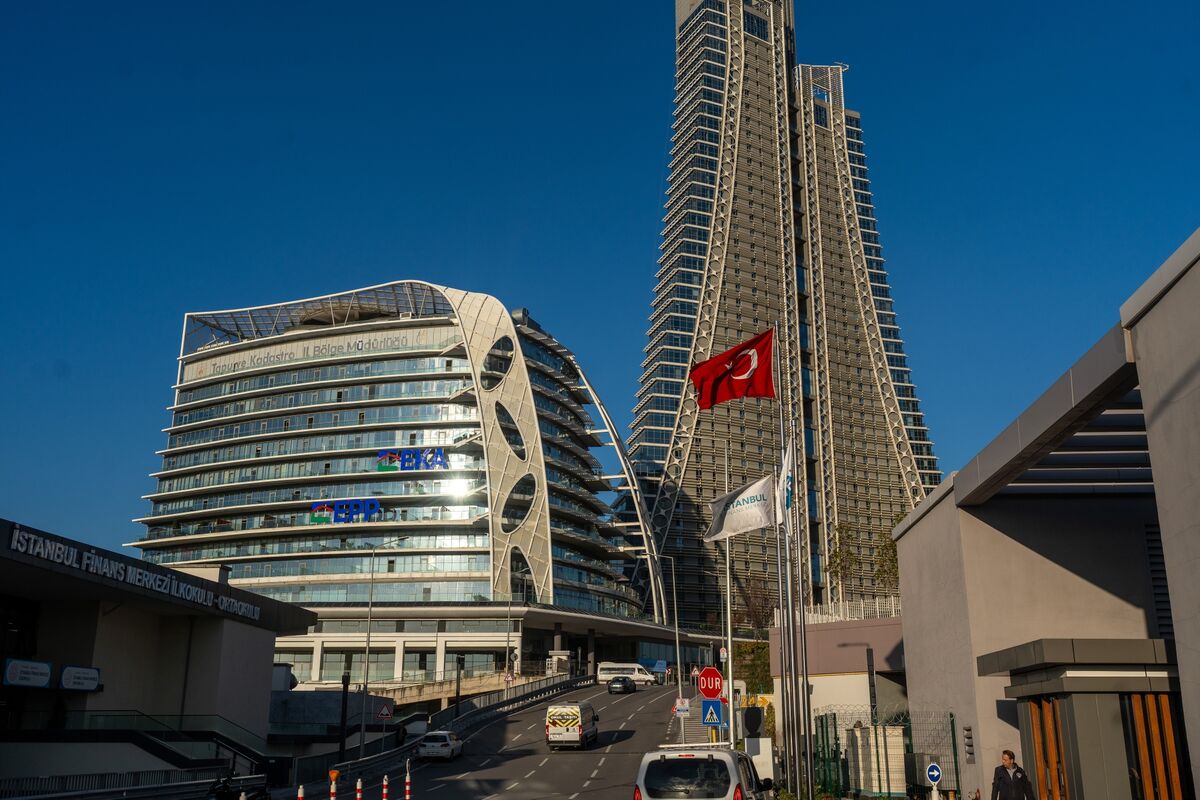
Investors are becoming more convinced that Turkey’s central bank will have to increase interest rates in response to soaring energy prices that are maintaining high inflation levels, coupled with a political crisis that is exerting pressure on the Turkish lira. As economic uncertainties rise, the urgency for monetary policies that can stabilize the financial landscape is palpable.
Impact of Rising Energy Costs
Turkey has faced significant challenges due to escalating energy prices, which have greatly influenced inflation rates. As energy costs rise, businesses and consumers feel the pinch, prompting increased prices across various sectors. The sustained increase in energy prices not only affects household budgets but also impacts governmental policies aimed at controlling inflation. In a country where energy is a critical component for manufacturing and services, these rising costs are a serious concern. The central bank’s decisions on interest rates play a pivotal role in curbing inflation, thus making the anticipated rate hikes a focal point for both investors and policymakers alike.
Political Instability and its Consequences
The political landscape in Turkey is fraught with challenges, contributing to economic uncertainty. Ongoing crises and governmental issues can undermine confidence in the lira, causing investors to seek safer assets. This volatility necessitates that the central bank act decisively to stabilize the currency and restore faith among both domestic and international investors. High inflation coupled with a weakening lira presents a complex problem that requires astute monetary policy adjustments. A hesitant response from the central bank may exacerbate the situation, leading to further inflationary pressures and a decline in purchasing power among consumers.
Market Reactions and Predictions
Market analysts are closely monitoring developments in Turkey, trying to gauge the likely moves the central bank may make in response to the prevailing conditions. Predictions vary; however, there is a growing consensus that an interest rate increase is imminent. Investors are keen to understand how high the rates might go and how quickly the central bank will act to address these pressing issues. The financial markets are reacting to these expectations, which can create further volatility in the lira and stock markets. It remains crucial for investors to stay informed about macroeconomic indicators and government actions to make informed decisions.
The Road Ahead for Turkey’s Economy
As Turkey navigates these tumultuous economic waters, the path forward requires a balanced approach. The central bank must weigh the pros and cons of raising interest rates in an environment where inflation is stubbornly high but economic growth is also necessary. Increasing rates too quickly could stifle growth, while delayed action might let inflation spiral out of control. It’s a delicate balance that requires not only agile financial policy but also strategic planning for the country’s long-term economic stability.
In conclusion, the outlook for Turkey’s economy hinges on the central bank’s ability to respond effectively to rising energy costs and political turmoil. Investors are betting on interest rate hikes as a necessary move to combat inflation, but the broader implications for the economy will depend on the execution of these policies. As the situation evolves, ongoing analysis and responsiveness will be essential for both the central bank and the investors who are keeping a close watch on Turkey’s financial future.