
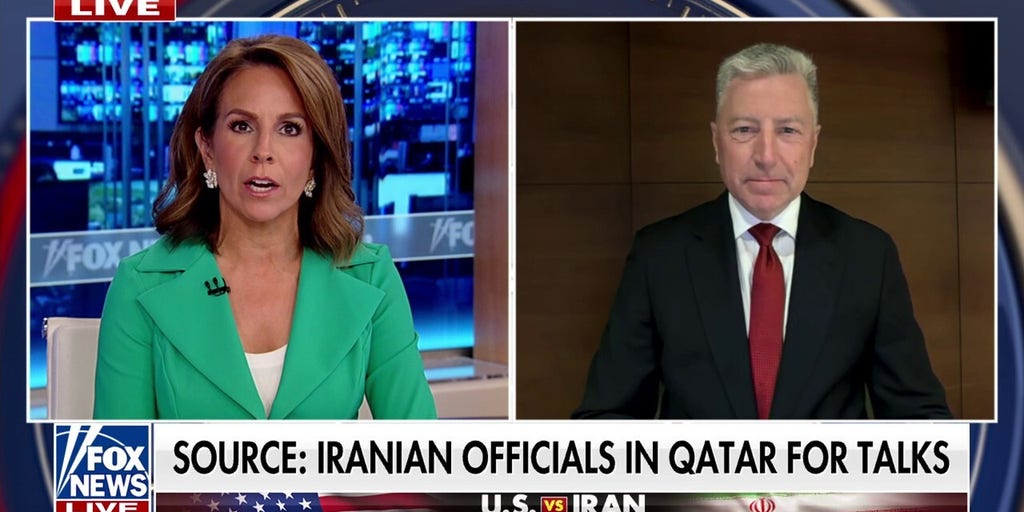
Former U.S. Ambassador to NATO Kurt Volker recently analyzed the ongoing evolution of U.S.-Iran negotiations, emphasizing the impact of President Donald Trump’s initiatives aimed at establishing a comprehensive agreement. The geopolitical landscape regarding Iran remains complex, as diplomatic efforts and differing approaches influence the potential for resolution.
The Current State of U.S.-Iran Relations
U.S.-Iran relations have been marked by tension and conflict, particularly following the withdrawal of the United States from the Iran Nuclear Deal in 2018. Since then, the landscape has shifted, with both nations grappling with the ramifications of that decision. The diplomatic dialogue has been intermittent, with sanctions imposed by the U.S. aggravating the situation. Iran’s insistence on pursuing its nuclear program has only added layers to the already complicated relationship, making negotiations increasingly challenging.
In recent months, there have been renewed calls for dialogue, driven partly by international partners and allies who pressure both sides to come to the negotiating table. Iran’s leaders face domestic pressures as well, transforming the situation from mere political maneuvering to a critical juncture for national stability and international relations.
The Role of President Trump’s Administration
President Trump’s administration provided a distinct approach to foreign relations, particularly with Iran. The “maximum pressure” strategy aimed to curb Iran’s nuclear aspirations by enacting heavy economic sanctions. While this approach intended to bring Iran back to the negotiating table, it also increased hostilities, presenting a dual-edged sword that has complicated any potential agreement.
Volker’s insights highlight the administration’s tactics, which sought both to isolate Iran diplomatically and temporarily stabilize the volatile region. This strategy’s implications are far-reaching, as it impacts not only U.S.-Iran relations but also relations with other countries who have vested interests in Middle Eastern stability. Observers are watching closely to see if these strategies will yield a tangible outcome, or if they will only deepen divisions.
The prospect for a new agreement remains uncertain, yet many analysts believe that renewed negotiations could provide a pathway toward resolution. The key lies in the willingness of both nations to compromise and find common ground. Volker suggests that engaging in dialogue with mutual respect could open doors to potential solutions benefiting both sides, especially regarding non-proliferation commitments.
However, any negotiations will likely need to address a multitude of issues beyond the nuclear program. Topics such as regional influence, human rights, and the role of U.S. allies in the area will also play critical roles in shaping any agreement. Finding consensus on these complex and often contentious matters could prove to be a formidable challenge, necessitating patience and strategic diplomacy.
In conclusion, the shifting dynamics of U.S.-Iran negotiations reflect a broader landscape of international relations that is continually evolving. While the strategies employed thus far have aimed to create pressure points, the future may rest in the hands of diplomats committed to productive dialogue. As the world watches, the potential for a diplomatic breakthrough remains open, fostering hope for a more stable Middle East.