
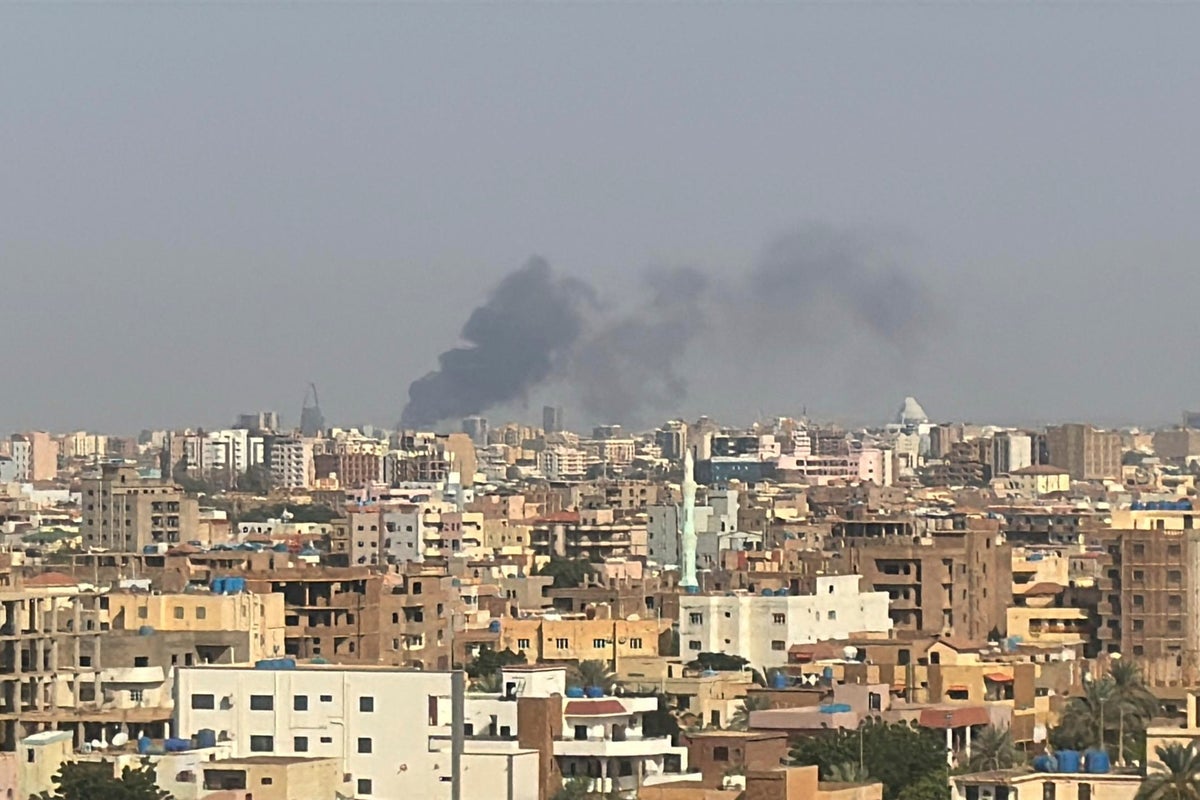
The ongoing conflict in Sudan has drawn significant international concern, particularly regarding allegations of foreign involvement. A recent report by Human Rights Watch (HRW) claims that the United Arab Emirates (UAE) has trained Colombian mercenaries to support the Rapid Support Forces (RSF) amid the discord arising from a power struggle within the country. These claims highlight the UAE’s controversial role in the escalating violence that has led to extreme human rights violations.
Colonial Mercenaries and Violent Backdrop
The HRW report underscores a troubling narrative about the UAE, which has been accused of providing both financial and military assistance to the RSF—an armed group increasingly linked to acts that may be categorized as war crimes and crimes against humanity. These revelations add to an expanding body of evidence depicting the UAE as an enabler of violence in Sudan, where the war erupted on April 15, 2023, due to power struggles between military factions.
The RSF, initially formed from the notorious Janjaweed militias known for their brutal campaign in Darfur during the early 2000s, has continued this legacy of violence. According to the HRW report, hundreds of Colombian mercenaries received training from Emirati nationals in Al Dhafra, a strategic military base, and subsequently participated in battles alongside RSF troops in various regions of Sudan. Eyewitness accounts from unnamed mercenaries highlight the involvement of young recruits in these camps, bringing to light the disturbing reality of child soldier participation in warfare.
Combat Roles and International Implications
The role of Colombian mercenaries has reportedly included managing combat equipment such as drones and armored vehicles, which underscores a more structured military engagement rather than mere auxiliary support. As confirmed by RSF commanders, the Colombian forces have operated critical technological assets in the conflict, further blurring the lines between foreign mercenary involvement and state-sponsored military actions. This raises serious questions about accountability and complicity in alleged war crimes.
Moreover, the involvement of private security firms, such as the Abu Dhabi-based Global Security Services Group, which is reportedly linked to Emirati officials, indicates a layers of complexity surrounding the UAE’s military operations. Despite attempts to distance itself from these allegations, the UAE’s Foreign Ministry maintains that it does not condone the recruitment or training of foreign fighters, asserting that any such activities would violate Emirati law.
Calls for International Action
Given the severity of the humanitarian crisis in Sudan, which has seen nearly 59,000 lives claimed in a short span, the international community faces mounting pressure to address the UAE’s complicity in this conflict. Human Rights Watch has advocated for immediate action, urging foreign governments to reconsider their military cooperation and arms sales to the UAE until a comprehensive cessation of support for the RSF is established.
The dissonance between the UAE’s denials and the gathered evidence calls for a strategic reevaluation by countries engaging with the Gulf nation. Only through unified international pressure can there be hope for reducing the impunity enjoyed by actors implicated in war crimes, including the UAE’s controversial military support to the RSF.
In a conflict that appears to grow more complex each day, the evolving role of mercenaries and foreign military involvement could have lasting consequences, not only for Sudan but also in shaping the international norms surrounding warfare and human rights. As calls for accountability and justice gain momentum, the need for global action remains increasingly urgent.