
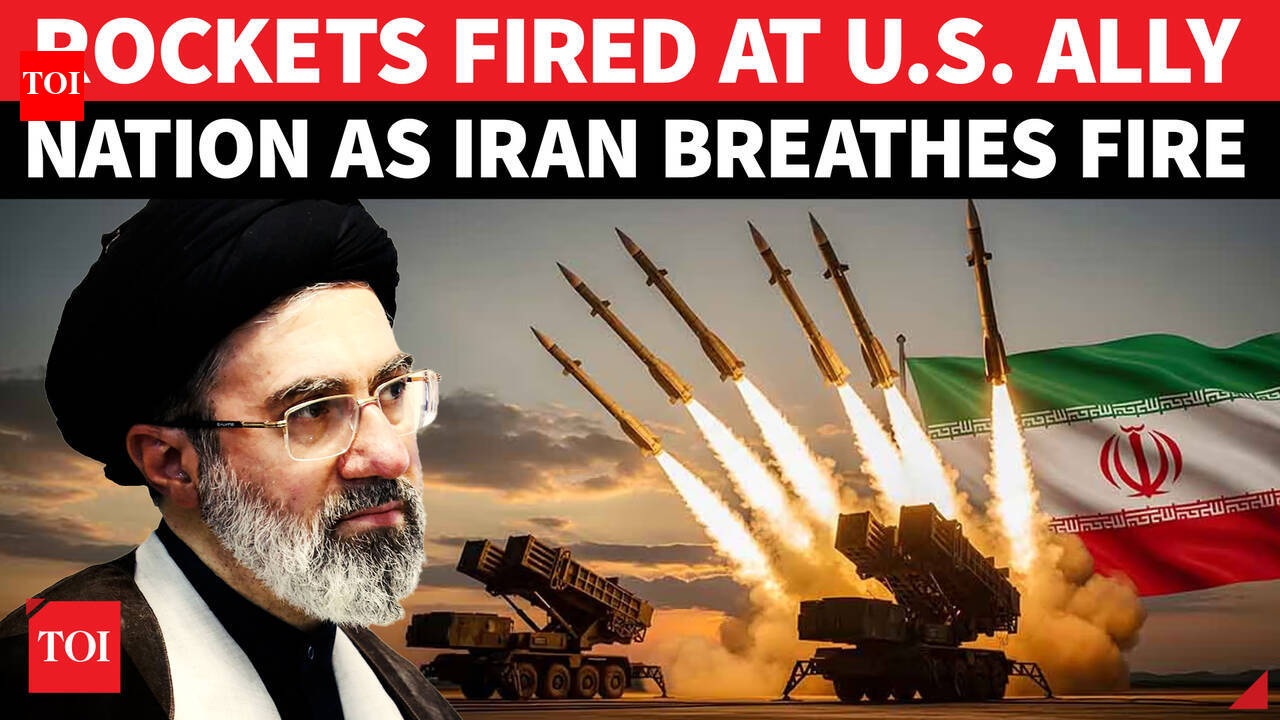
In the wake of geopolitical tensions, Iran’s newly appointed head of the Supreme National Security Council, Mohammad Bagher Zolghadr, has made headlines with his bold declarations. His remarks indicate a steadfast commitment to resisting both the United States and Israel, which he claims have been effectively weakened by Iran’s persistent efforts.
Defiant Leadership and Military Resolve
Zolghadr, a former commander of the Islamic Revolutionary Guard Corps (IRGC), delivered an emphatic message underscoring Iran’s resilience against perceived adversaries. He emphasized the importance of military, diplomatic, and public resistance, claiming that the struggle has left the “enemy on its knees.” His firm stance signals a continuation of hardline policies that have characterized Iran’s approach to external challenges. This is particularly relevant as tensions in the Persian Gulf, particularly in the Strait of Hormuz, remain high, where Iranian assertiveness has been increasingly evident.
IRGC’s Growing Influence in Iranian Politics
Zolghadr’s elevation to this prominent position follows the passing of Ali Larijani and is viewed as a critical indicator of the IRGC’s expanding role in Iran’s political landscape. As a powerful military arm, the IRGC has significantly shaped Iran’s security and foreign policy decisions. The appointment demonstrates a clear alignment with militant strategies and hardline ideologies, reinforcing the belief that Iran will not shy away from confrontations with what it perceives as aggressors.
Implications for Regional Stability
As Iran’s leadership shifts further to the hard right, the implications for regional stability become increasingly concerning. Iran’s commitment to resisting U.S. and Israeli influence is likely to escalate tensions, particularly in areas where their interests collide. This can result in heightened military confrontations and increased hostilities across the region. Analysts are closely monitoring these developments, particularly the potential ripple effects on neighboring countries and ongoing conflicts.
Looking Ahead: What This Means for Global Powers
Zolghadr’s defiant rhetoric is not just a signal to Iran’s internal audiences but also to global powers observing Tehran’s maneuvers. The world is witnessing a strategic shift that could lead to a re-evaluation of diplomatic relations with Iran. The U.S. and its allies may need to consider new tactics in addressing Iran’s aggressive posture and the implications it holds for national security in the wider Middle East.
In summary, as Mohammad Bagher Zolghadr takes the reins of Iran’s Supreme National Security Council, his uncompromising stance could mark a new chapter in Iran’s resistance against Western influence. With the IRGC’s influence growing within the Iranian power structure, global observers will have to stay vigilant regarding the long-term ramifications of Iran’s strengthened military resolve and hardline policies.