
When former President Donald Trump announced that a deal with Iran was “largely negotiated,” he referenced a wide array of Middle Eastern leaders during a phone conversation. Notably, among these names was Qatar’s Ali Al Thawadi—a figure who, despite holding the title of a minister without a dedicated department, plays a crucial role in regional diplomacy. This inclusion demonstrates Al Thawadi’s growing significance in shaping interactions within the complex landscape of Middle Eastern politics.
The Role of Ali Al Thawadi in Diplomacy
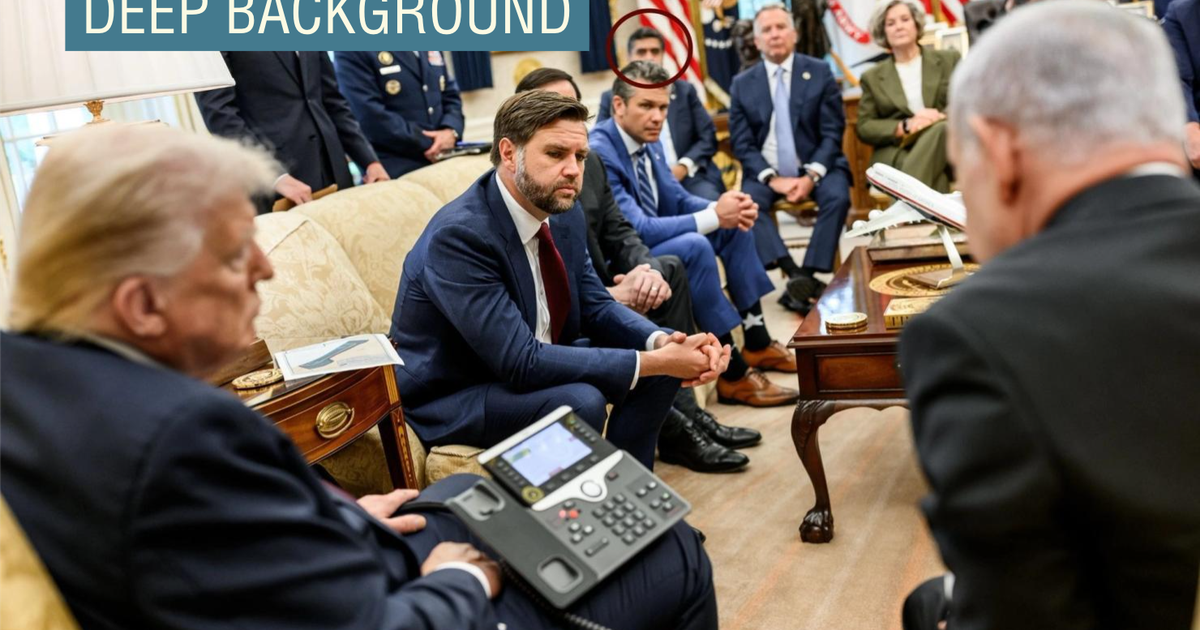
Al Thawadi’s involvement in negotiations illustrates how smaller players can influence larger geopolitical landscapes. His interactions with the Trump administration have been strategic, highlighted by his presence in the Oval Office last September. During that visit, he observed Israeli Prime Minister Benjamin Netanyahu apologize to Qatar’s prime minister for previous offensive actions. This incident was a notable moment in the ever-evolving relationship between these nations and showcased Al Thawadi’s capacity to facilitate key dialogues.
In January, Al Thawadi solidified his position further by taking Qatar’s seat on the Gaza Executive Board. This appointment allowed him to play a more pronounced role in Middle Eastern affairs, particularly in the context of Gaza, where tensions often run high. Analysts have drawn attention to his discreet yet effective approach, often working behind the scenes as a “doer and implementer.” This method has enabled him to attain respect among Gulf watchers who recognize his contributions to diplomatic efforts.
A Bridge Between Conflicted Parties
As global dynamics shift, Al Thawadi’s importance may continue to rise. Seen accompanying Qatar’s prime minister on numerous foreign trips, he is increasingly viewed as a vital link in the intricate web of Middle Eastern diplomacy. Some experts assert that he has been instrumental in nudging both the United States and Iran toward a mutual agreement. His skill in fostering communication between these historically adversarial nations is noteworthy and may have far-reaching implications for regional stability.
The backdrop of his involvement is significant: the political climate in the Middle East is often fraught with tension, and discussions involving Iran are especially sensitive. Al Thawadi’s diplomatic efforts are not merely transactional; they represent a more profound understanding of the nuanced relationships and power dynamics that exist within the region. By positioning himself as a facilitator, he is helping to navigate the complexities that hinder peace and collaboration.
Implications for Future Diplomacy
As Al Thawadi and other Gulf representatives continue to engage with major powers, the ground may shift in favor of increased cooperation. The history of strained relations has made constructive dialogue a challenging endeavor, yet figures like Al Thawadi are paving the way for a new diplomatic paradigm. Their effectiveness in managing these high-stakes communications could lead to a more stable environment, benefitting not just the parties involved but ultimately the broader region.
In conclusion, Ali Al Thawadi’s role may seem understated at first glance, but his contributions to Middle Eastern diplomacy are vital. His increasing prominence among key decision-makers highlights how even lesser-known figures can wield significant influence in geopolitical negotiations. As future dialogues unfold, the strategies employed by diplomats like Al Thawadi will likely remain critical in shaping the course of international relations in an ever-evolving world.