
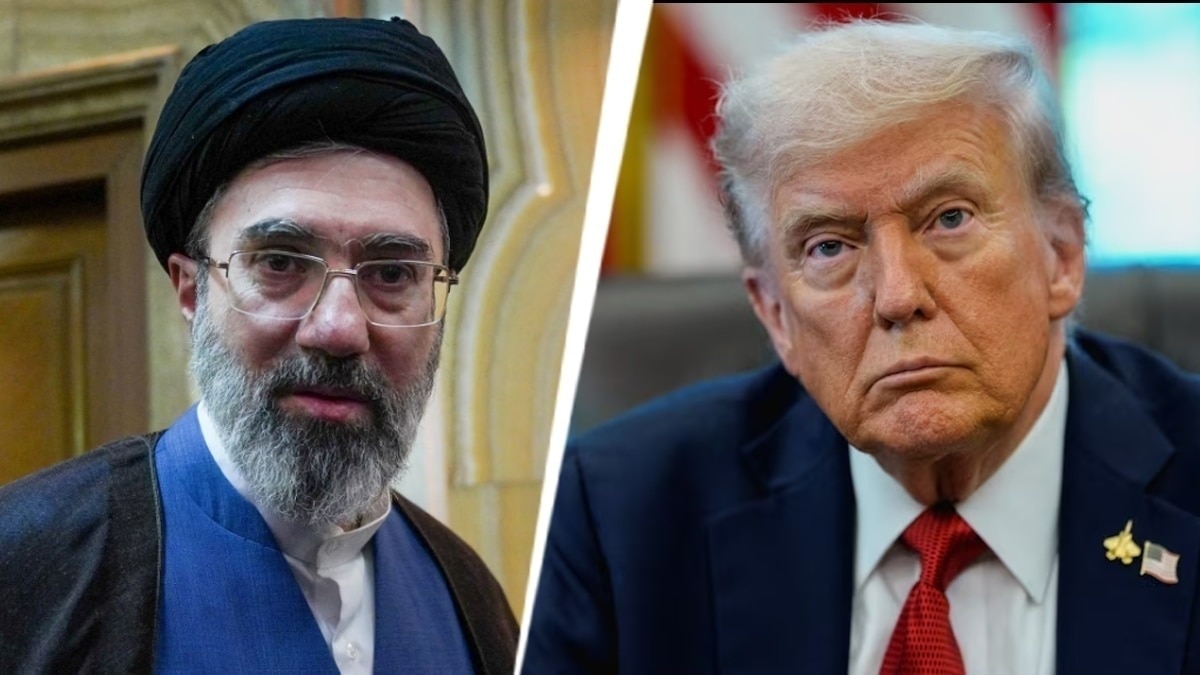
Intense diplomatic discussions are currently taking place as senior Iranian officials engage in talks aimed at resolving ongoing tensions in the region. The focus of these high-stakes negotiations is to potentially forge a new agreement between the U.S. and Iran.
Key Players in the Talks
Senior Iranian leaders, including Mohammad Bagher Qalibaf and Foreign Minister Abbas Araqchi, have arrived in Doha for critical discussions with Qatar’s Prime Minister. This meeting represents a significant step in efforts to negotiate an agreement that might bring an end to the escalating three-month conflict and facilitate the reopening of the strategically important Strait of Hormuz. The negotiations are primarily concentrated on two essential aspects: restoring safe navigation through this vital waterway and addressing concerns about Iran’s substantial stockpile of highly enriched uranium.
U.S. Position and Concerns
Despite these talks, both Washington and Tehran are tempering expectations regarding a swift resolution. U.S. Secretary of State Marco Rubio, in remarks made in New Delhi, highlighted that while diplomacy should be given room to operate, the U.S. would consider alternative measures should the discussions falter. President Donald Trump echoed this sentiment, affirming that no agreements had been finalized and emphasizing the continuation of the U.S. naval blockade around Iran until a formal accord is established.
Challenges on the Horizon
Iranian Foreign Ministry spokesperson Esmaeil Baghaei indicated that some progress has been achieved on various fronts, but he cautioned that neither party is near a signing agreement. The currently proposed 14-point framework aims to halt ongoing hostilities and reopen the Strait of Hormuz. However, significant obstacles persist, such as sanctions relief, the release of Iran’s frozen assets, the intricacies of Tehran’s nuclear ambitions, and the regional tensions involving Israel and Hezbollah.
Market Reactions and Regional Dynamics
The atmosphere surrounding these negotiations has influenced global markets, as oil prices experienced a notable decline on Monday amidst cautious optimism regarding the potential for diplomatic breakthroughs. Nevertheless, the continued fighting in Lebanon, marked by fresh exchanges of fire between Israeli forces and Hezbollah, indicates that underlying tensions in the region remain volatile. This ongoing conflict serves as a reminder of the multifaceted nature of the issues at play, which complicate the broader discourse surrounding U.S.-Iran relations.
As the situation develops, it will be crucial to monitor these negotiations closely. The potential for change is significant, yet the entrenched positions of both sides signal that overcoming the hurdles towards a meaningful agreement may take time. For real-time updates and in-depth analyses, keep an eye on IndiaToday.in as we follow this evolving story.