
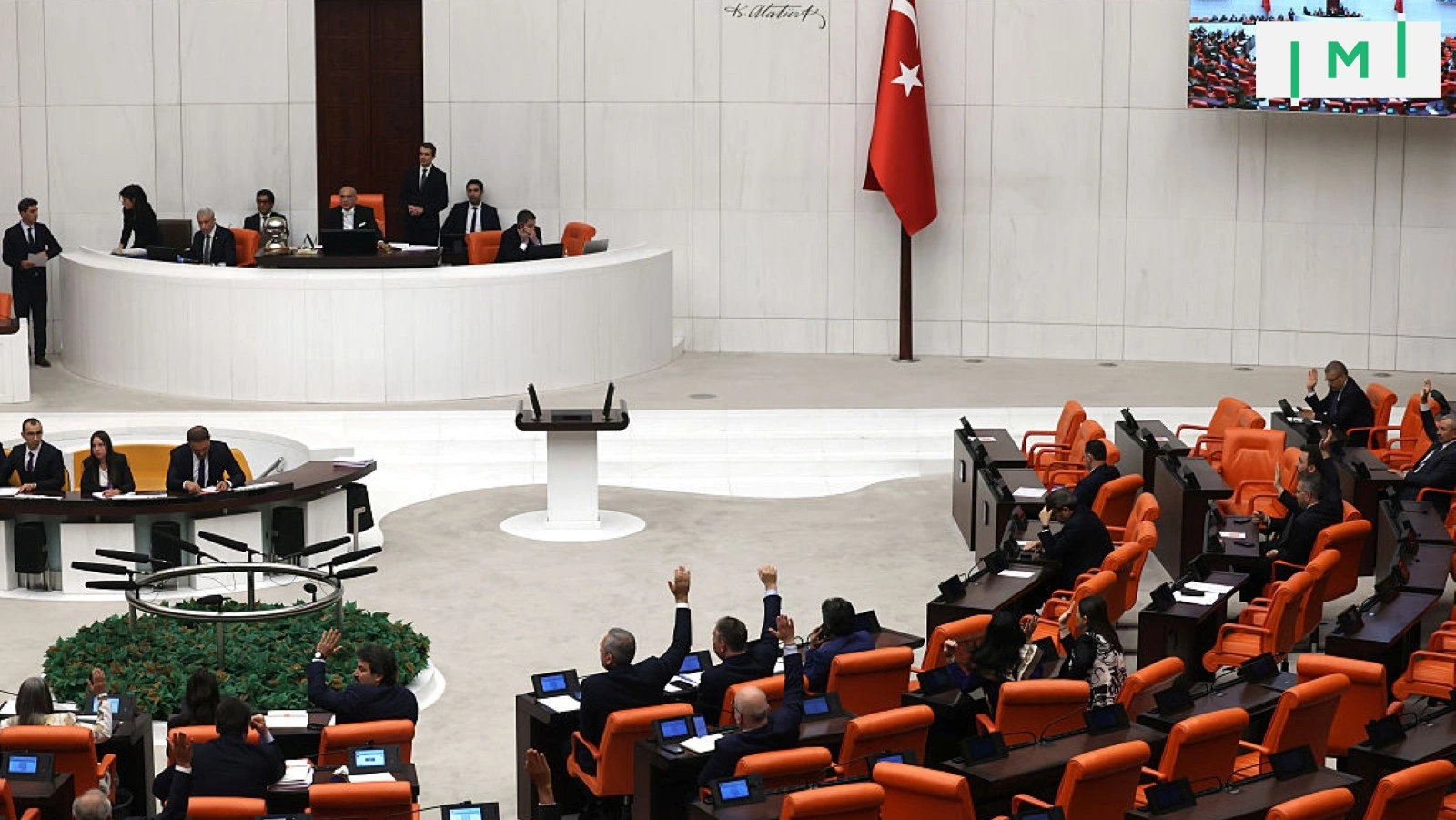
Turkey’s Grand National Assembly recently approved a significant fiscal incentive package put forward by President Recep Tayyip Erdogan. This crucial legislation is centered around a 20-year exemption from Turkish income tax on foreign-source income for new qualifying residents.
Understanding the Personal Tax Exemption
To benefit from this 20-year personal tax holiday, individuals must not have had any Turkish tax obligations or domicile within the country during the three years preceding their move. Those who qualify for this exemption won’t need to declare their foreign-source income on annual Turkish tax returns. However, any income earned within Turkey will still be taxable at standard progressive rates ranging from 15% to 40%. Additionally, for those who meet the criteria, inheritance and gift tax rates will be significantly reduced to a flat 1%, rather than the typical range of 1% to 30%.
Asset Amnesty: The Eighth Initiative Since 2008
The new law also introduces an asset amnesty program, enabling both individuals and corporations to declare foreign-held assets, such as cash, gold, and securities, through Turkish banks or brokerage firms. Declarations must be submitted by July 31, 2027, and these assets need to be transferred to Turkey within two months. Tax benefits depend on how long the declared assets are retained in qualifying Turkish investments, ranging from 0% for five years to 4% for just one year. Additionally, any declared assets will be shielded from tax audits and penalties. However, this aspect of the law has drawn criticism from opposition parties, who argue that similar previous measures have allowed illicit funds to be channeled into the country.
Corporate Tax Adjustments and the Istanbul Finance Centre
In a bid to bolster the manufacturing sector, Parliament has reduced the corporate tax rate for manufacturing firms from 25% to 12.5%. Exporters stand to benefit even more, with tax rates further cut to 9% for those exporting their own goods and 11% for other exporters. Furthermore, income derived from transit trade operations within the Istanbul Finance Centre (IFC) now enjoys a complete corporate tax exemption—a substantial increase from the previous 50% exemption. Companies outside the IFC can still take advantage of a 95% tax relief. Notably, profit from financial services exports at the IFC remains entirely exempt from corporate tax through 2047.
A Strategic Move for Financial Growth
Industry experts suggest that these recent legislative changes are not merely reactive measures but rather the culmination of long-term strategic planning. Aran Hawker, who has worked extensively within the Istanbul Finance Centre, notes that this legislative package is the result of ambitions stretching back nearly two decades. Former Deputy Prime Minister Nazim Ekren was a proponent of establishing Atasehir as the core of Istanbul’s aspirations to become a financial hub for Eurasia as early as 2009, making the Istanbul Finance Centre a tangible realization of that goal.
Hawker further observes that the Turkish government appears poised to capitalize on disruptions within Gulf Cooperation Council (GCC) financial hubs, particularly due to ongoing geopolitical tensions. He believes these incentives will attract capital not just from the GCC but also from regions like North America, Europe, and the UK, where individuals are becoming increasingly disillusioned with local political climates. This legislation represents Turkey’s proactive measures to position itself as a favorable destination for international investment and capital relocation, showcasing a blend of strategic foresight and adaptability in a changing global landscape.