
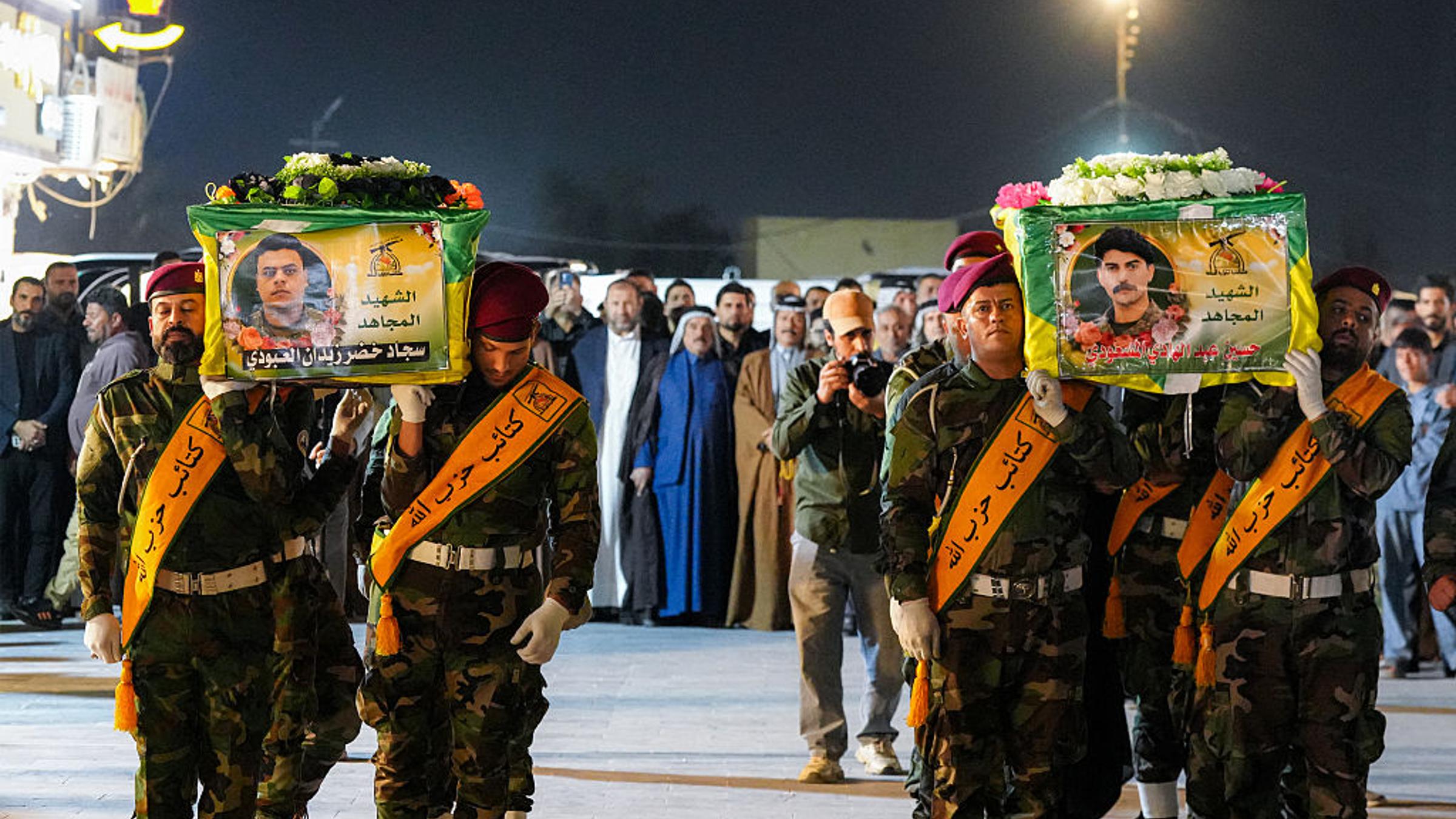
In recent events, the complex landscape of Shia militias in Iraq has been marked by significant turmoil and changing allegiances. The assassinations of several high-ranking commanders of Kataib Hezbollah, a notable Shia militia, via unidentified airstrikes have raised questions about the willingness of these groups to engage in ongoing conflicts. While some are stepping back from active involvement, Shia elites, including paramilitary leaders, seem reluctant to sacrifice their comfortable lifestyles, even amidst escalating violence during the June 2025 conflict.
Assassinations and Their Aftermath
The targeted airstrikes in the heart of the capital have left many scrambling for clarity and direction. The loss of influential commanders has fractured the leadership within Kataib Hezbollah, leading to uncertainty in their ranks. This lack of decisive action illustrates a growing divide among Shia militias regarding their participation in broader military engagements. While some factions might lean towards confrontation, others are content to remain on the sidelines, focusing on maintaining their positions of privilege within the state.
Cultural Reflections on Loss
During a recent visit to al-Mansour, once a vibrant neighborhood, the socio-political climate became palpable through striking imagery. A large billboard commemorating figures like Qasem Soleimani and Abu Mahdi al-Muhandis dominated the street, capturing the essence of the Shia narrative. These leaders, regarded as martyrs, symbolize a collective memory tied to resistance against perceived Western aggressors. The billboard’s powerful inscription referencing Imam al-Hujjah encapsulates not only a commitment to armed struggle but also a deeply rooted cultural ethos that resonates among the people.
In this space, the atmosphere was thick with unspoken connections to the past, inviting passersby to engage in a silent conversation with history. The visual tribute served not just as a remembrance but also as a rallying point for those who still uphold the ideals of martyrdom and sacrifice. Individuals did not require formal discourse to grasp the significance of these images; the embellishments of history are often felt more than they are articulated.
Implications for the Future
The hesitation of some Shia factions to fully commit to fighting amid these changing dynamics complicates the future of militia participation in Iraq’s security landscape. As influential leaders face elimination and new strategical considerations emerge, the implications stretch beyond mere military engagement. The decisions made in the coming months will shape the very foundation of Shia identity and governance in Iraq. The dichotomy of armed resistance versus political cooperation will be critical in defining the next chapter for these militias.
As the current climate evolves, a profound question lingers: will the Shia militias adapt to the shifting tides of conflict, or will they find solace in preserving their established comforts? Only time will reveal how these fluctuating power dynamics will unfold, but for now, the echoes of past sacrifices resonate loudly in the societal fabric of Iraq. The outcome of these developments holds significant weight, not just for the militias involved, but also for the overall stability of the region.