
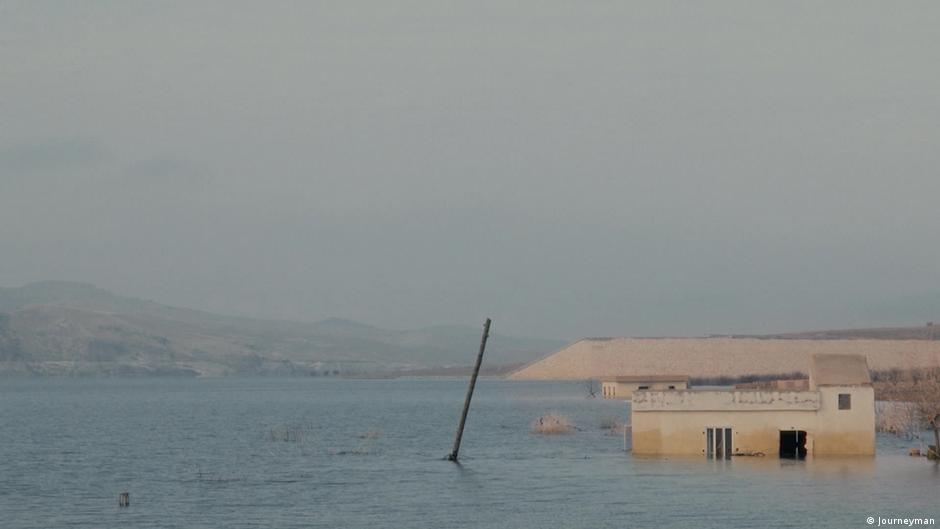
The plight of the last residents of Hasankeyf in southeastern Turkey exemplifies a tragic loss of culture due to modernization efforts. As the iconic town, rich in history and unique architecture, succumbs to the waters of the Tigris River, its inhabitants reflect on the consequences of forced relocation. This scenario not only highlights the effects of a major infrastructure project but also raises important questions about identity and heritage.
The Impact of the Ilisu Dam
The construction of the Ilisu Dam stands as a flagship project for Turkish President Erdoğan, aimed at modernizing the region. However, beneath the facade of progress lies the distressing reality faced by the communities affected. The dam has flooded numerous villages in the predominantly Kurdish region, erasing centuries of cultural heritage. In 2020, the small town of Hasankeyf, known for its ancient cave dwellings, suffered a devastating loss. Archaeological treasures that span over 12,000 years of human settlement in Anatolia may now be permanently submerged, leaving history forgotten beneath the rising waters.
The Cost of Relocation
Residents have been forcibly moved from their historic homes to newly constructed developments. These soulless concrete buildings starkly contrast with the traditional architecture of Hasankeyf, symbolizing a significant displacement of culture and community. Individuals like Rengin, a shepherd, are powerless as they adapt to new lifestyles that prohibit them from continuing their ancestral practices. Traditional livelihoods are lost, and with them goes a vital part of their identities. Burak, a barber, grapples with the challenges of his altered daily routine, illustrating that the struggle extends beyond physical relocation—it encompasses emotional and social upheaval.
Loss of Community and Identity
The resettlement has dismantled established communities, leading to a profound sense of loss among the former residents of Hasankeyf. With the disappearance of their ancestral homes, they are not only separated from their physical environment but also from the essence of their identity, traditions, and ways of life. This disconnection raises serious concerns about the preservation of cultural heritage in an age where development often takes precedence over history. As the people of Hasankeyf attempt to adapt to their new circumstances, the question remains: at what cost does modernization come?
In summary, the story of Hasankeyf serves as a poignant reminder of the delicate balance between development and cultural preservation. It urges us to consider the human costs associated with infrastructure projects and the far-reaching effects of losing a community’s roots. The narrative of Hasankeyf is not just a local concern but resonates globally as nations grapple with the challenges of modernization and the preservation of cultural identities. As we move forward, it is essential to advocate for approaches that honor both progress and the heritage that shapes our societies.