
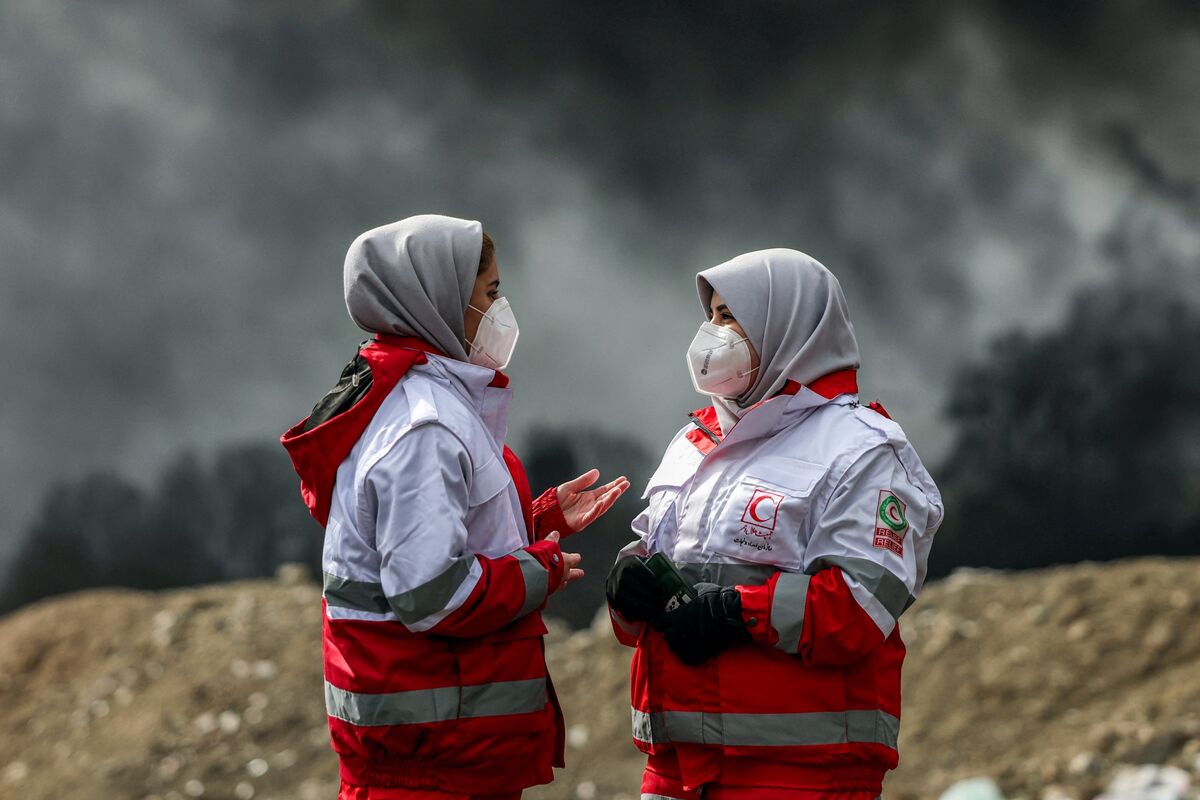
In March, significant fires at oil facilities led to an enormous plume that was comparable in size to Italy. This alarming event not only raises questions about environmental impacts but also highlights the complexities of managing industrial safety.
Impact of Industrial Fires on Environment
Industrial fires, especially in oil facilities, can have devastating consequences for the environment. The release of toxic fumes into the atmosphere not only contributes to air pollution but also poses serious health risks to nearby communities. The aftermath can result in long-term ecological damage, affecting flora and fauna and disrupting local ecosystems. Such events underline the importance of stringent safety protocols and emergency response plans to mitigate potential disasters.
Global Response to Oil Facility Fires
The global community must respond proactively to incidents like these. Governments and regulatory bodies need to enforce stricter regulations for oil facilities, including robust safety measures and contingency planning. Additionally, investing in technology that enables better monitoring and quicker response times can significantly reduce the impact of such disasters. This includes the integration of advanced firefighting technologies and real-time data analytics to enhance situational awareness during emergencies.
Lessons Learned from March Fires
The fires in March highlight critical lessons that can be learned to prevent similar catastrophes in the future. It’s essential for companies to conduct regular safety audits and risk assessments to identify potential vulnerabilities in their operations. Moreover, fostering a culture of safety within the workforce can lead to better preparedness and quicker reactions during emergencies. Training employees to handle unforeseen situations can dramatically lower the chances of fires occurring and limit their severity if they do.
The Path Toward a Safer Future
As we reflect on the events of March, there is an opportunity to shift towards a safer industrial future. Continuous innovation in safety technology and environmental management practices is vital. This includes adopting renewable energy sources that can reduce dependence on fossil fuels and contribute to a more sustainable industry. By prioritizing safety and environmental stewardship, the oil sector can take significant strides toward minimizing risks and protecting both people and the planet.
The incidents of March serve as a stark reminder of the vulnerabilities inherent in industrial operations. It is crucial for all stakeholders—governments, corporations, and communities—to collaborate and commit to making safety a collective priority. With concentrated efforts, the industry can transform the tragedy of these fires into a catalyst for change, prioritizing safety, health, and environmental protection for a more secure future.