
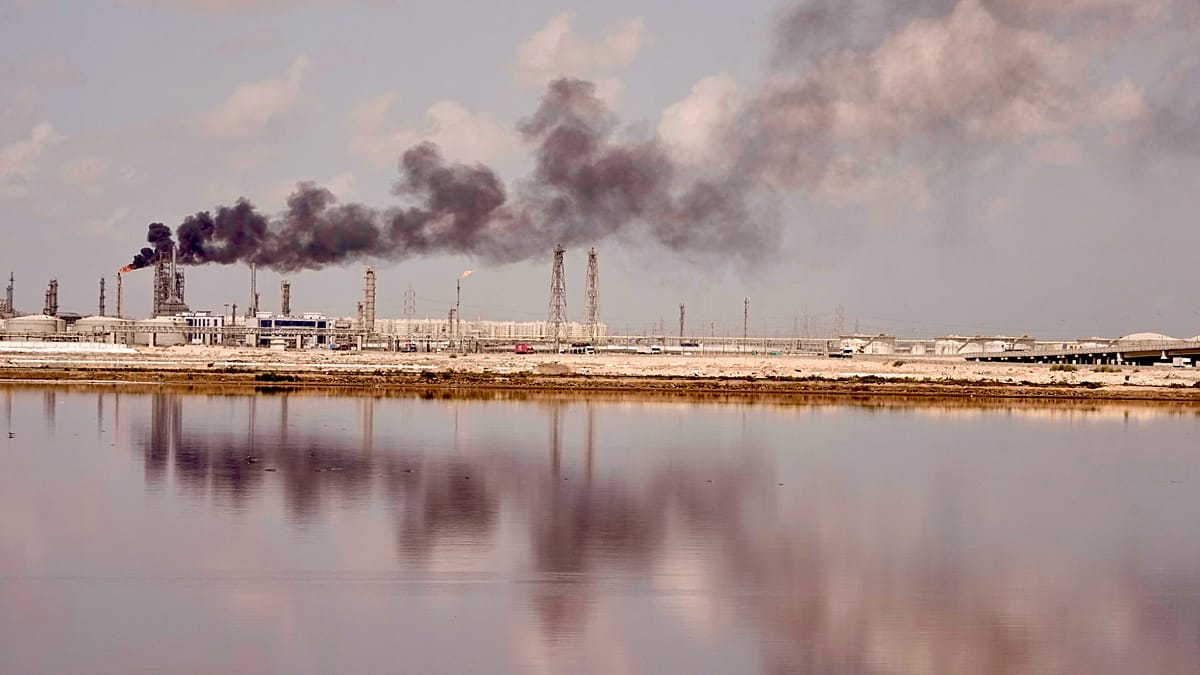
Egypt is emerging as a potential gas export powerhouse, following a series of significant gas discoveries in recent months. With the ongoing Iran war pushing energy demands to unprecedented levels, Cairo is prepared to reposition itself strategically in the global gas market.
Significant Gas Discoveries
Over the past two months, Egypt has reported three major gas finds, primarily linked to Eni, the Italian oil and gas giant that has been operating in the region since 1954. In April, Eni, in collaboration with BP, announced the Denise West find in the Mediterranean, estimated to contain around 2 trillion cubic feet of gas. “Denise West represents the largest discovery in Egypt since Chevron’s Nargis find earlier this year,” stated Martijn Murphy, a principal analyst specializing in North African upstream projects at Wood Mackenzie. The discovery’s proximity to existing infrastructure allows for relatively quick development.
In early May, Eni and BP revealed another significant find, Nidoco N-2, located in the Nile Delta’s West Abu Madi area, expected to yield about 50 million cubic feet per day. Shortly thereafter, Agiba Petroleum, a joint venture involving Eni and the Egyptian state-owned EGPC, announced the discovery of South Bostan-1X in the Western Desert. Initial estimates include around 330 billion cubic feet of gas and approximately 70 million barrels of oil equivalent. While smaller than Denise West, these discoveries are crucial for bolstering Egypt’s waning domestic gas production and decreasing the reliance on imported liquefied natural gas (LNG).
Strategic Development Plans
The timing of these discoveries is crucial for Egypt. Historically, the nation has served as a regional gas export center, benefiting from major gas fields and LNG facilities. However, increasing domestic consumption paired with declining production has led to the importation of LNG. Abdelaziz Khlaifat, a petroleum and energy engineering professor at the American University in Cairo, notes a strategic shift in developmental focus—moving from pursuing another large find like Zohr towards quicker, cost-effective development near existing infrastructure. Murphy emphasized that without transformative exploration successes, the gap between supply and demand would continue to widen.
In relation to this, the Egyptian government has prioritized settling debts owed to foreign energy companies. These payment delays had previously stunted upstream activity. Murphy indicates that this reduction in debts has been a significant factor rekindling exploration efforts in the country. “A more favorable payment structure has cultivated confidence among operators, enabling them to resume activities vigorously,” Khlaifat added.
The Future of Egypt’s LNG Exports
Despite the promising discoveries, analysts warn that Egypt’s LNG export strategy relies on more than just domestic finds. The country continues to position itself strategically as a regional gas hub, with planned gas imports from Israel and Cyprus enhancing its infrastructure. An ambitious $35 billion deal is expected to expand gas exports from Israel’s Leviathan field to Egypt from 2026 to 2040. While this additional supply could alleviate some reliance on expensive LNG imports, local demand must first be satisfied.
Cyprus is also establishing agreements to route gas through Egypt, as evidenced by a recent 15-year deal for supplying gas from the Aphrodite field to Egypt. Furthermore, ExxonMobil and QatarEnergy are examining possibilities for transporting gas from new discoveries in Cyprus to Egypt via existing LNG infrastructure.
Ultimately, while new discoveries may improve Egypt’s position, industry insiders caution that meeting domestic energy needs remains the priority. Murphy pointed out that modest-sized discoveries may quickly be consumed by Egypt’s expansive domestic market once production ramps up. The realization of Egypt’s export ambitions hinges on effectively fulfilling its internal demand first.