
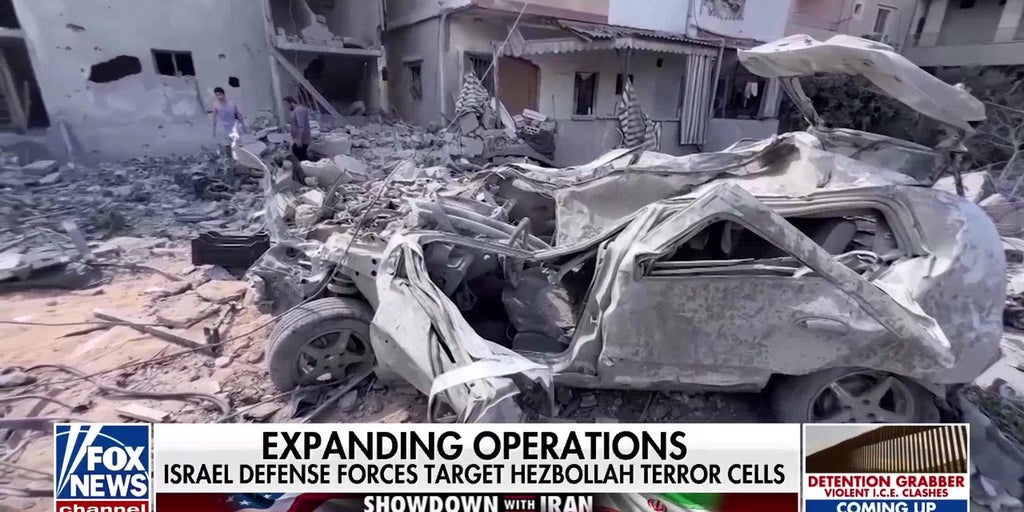
The ongoing conflict in the Middle East has recently intensified, drawing considerable global attention. With Israeli forces advancing further into Lebanon, their primary objective appears to be the dismantling of terrorist networks linked to Hezbollah, which is backed by Iran. This escalation poses significant geopolitical implications, affecting not just regional stability but also international relations.
The Escalation of Conflict
In recent weeks, the situation in the Middle East has dramatically shifted as Israeli military operations intensify. Reports indicate that Israeli troops are making deep incursions into Lebanese territory, aiming to neutralize Hezbollah’s capabilities. It’s essential to understand that Hezbollah is not merely a local group; it is heavily funded and supported by Iran, which complicates the conflict further. This dynamic adds layers to the geopolitical landscape, as multiple nations assess their roles and responses to the escalating violence.
Hezbollah’s Influence and Threat Level
Hezbollah has established itself as a formidable force within Lebanon, with an extensive arsenal that poses a direct threat to Israel. The group’s influence goes beyond military engagements; it also plays a significant role in Lebanese politics and societal structures. As Israeli forces focus on targeting Hezbollah cells, they aim to curb their growing power and mitigate any threats to national security. Without action, analysts warn that Hezbollah’s capabilities could escalate further, leading to even greater regional instability.
International Reactions and Global Implications
The international community is closely monitoring the developments in the region. Nations are balancing their diplomatic ties with both Israel and Lebanon, while also considering the implications of Iran’s involvement through Hezbollah. Some countries have expressed support for Israel’s right to defend itself, while others caution against escalating military actions that could lead to wider conflict. The delicate geopolitical web complicates the situation, making it crucial for international leaders to navigate their responses carefully.
Looking Ahead: Prospects for Peace
As military actions continue, many are left wondering about the prospects for peace in the region. The cycle of violence and retaliation has persisted for decades, creating deep-rooted animosities. To achieve a sustainable resolution, dialogue and diplomatic efforts are paramount. While immediate military objectives may take precedence, long-term solutions will require addressing underlying issues, including the humanitarian circumstances affecting civilians caught in the crossfire.
In conclusion, the conflict in the Middle East is a complex issue that transcends borders and affects global geopolitics. As Israeli forces continue their operations against Hezbollah, the international community must remain vigilant and engaged, seeking pathways to peace and stability. The road ahead remains fraught with challenges, but the need for dialogue and diplomacy has never been more urgent.