
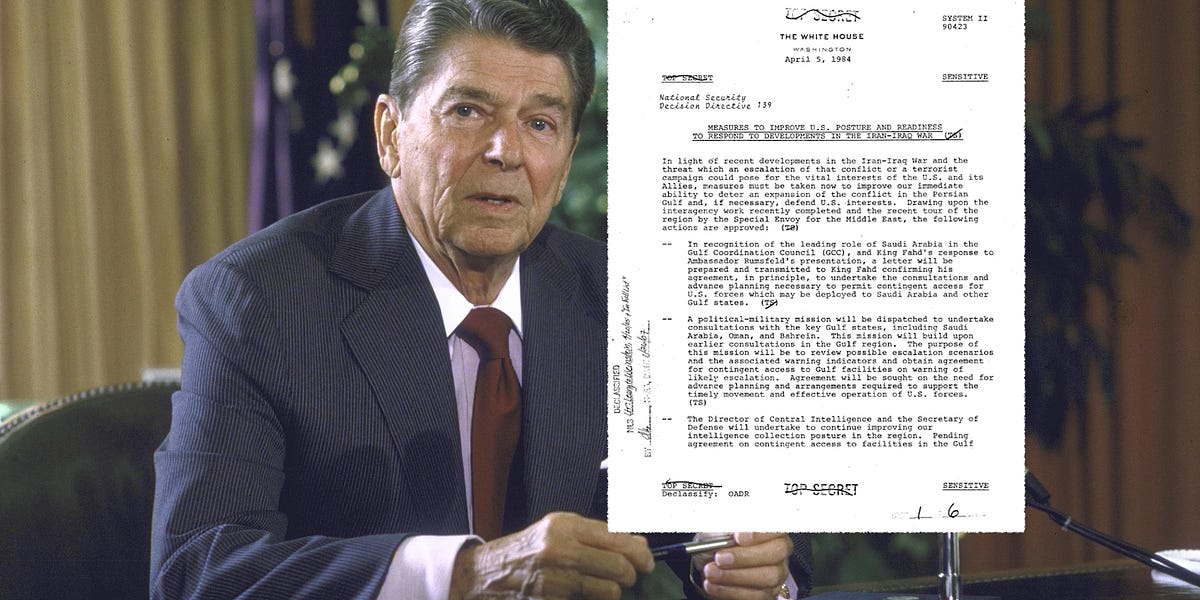
In analyzing the history of U.S. military interventions in the Middle East, it becomes apparent that crucial lessons often go unheeded. Despite past experiences, the approach remains largely unchanged, raising questions about strategic foresight and understanding.
Trump’s Missteps in Iran
In a recent video, commentator Mehdi highlights the misjudgments made by former President Donald Trump regarding the U.S. military stance toward Iran. He argues that the ongoing tensions were not just a passing phase but a conflict unlikely to be resolved swiftly. Mehdi stresses that the Iranian leadership was not going to acquiesce without substantial resistance.
Drawing on historical context, he references the Iran-Iraq War of the 1980s, during which Iran adeptly endured a prolonged assault lasting nearly a decade, even amidst the backdrop of chemical warfare supported by the U.S. This episode underscores the resilience of Iran and calls into question any assumptions about the ease of military victory in the region.
The Legacy of U.S. Complicity
Mehdi delves deeper, exposing the United States’ involvement in enabling some of the most egregious acts during the Iran-Iraq War, particularly under President Ronald Reagan. He presents documented evidence that reveals U.S. complicity in the war crimes committed by Saddam Hussein’s regime. These revelations challenge the narrative that frames U.S. interventions as purely benevolent, instead depicting a more complex legacy marked by moral ambiguity.
This historical evidence serves as a reminder of why a careful reconsideration of U.S. foreign policy in the Middle East is crucial. Mehdi’s poignant query, “Why do Americans have such short memories?” urges viewers to reflect on the implications of ignoring previous mistakes when crafting current military strategies.
Rethinking Engagement in the Middle East
For those invested in understanding the delicate nature of U.S.-Iran relations, Mehdi’s analysis is invaluable. It not only critiques Trump’s lack of foresight but also calls for a more profound comprehension of historical context. In doing so, he encourages a discussion on the importance of learning from the past, rather than repeating the mistakes that have shaped a turbulent history.
By shedding light on these issues, Mehdi invites viewers to reassess the trajectory of U.S. foreign policy in the region. Engaging with historical narratives is essential for anyone interested in the complexities of modern geopolitical conflicts.
In conclusion, the lessons drawn from past interventions like the Iran-Iraq War remain relevant today. Understanding these events is imperative for fostering better diplomatic relations going forward. As tensions continue to surface, the need for a nuanced approach has never been more pressing.
If you’re looking for more in-depth analyses and discussions on such critical topics, consider exploring additional resources that delve into the intricacies of Middle Eastern politics and U.S. involvement.