
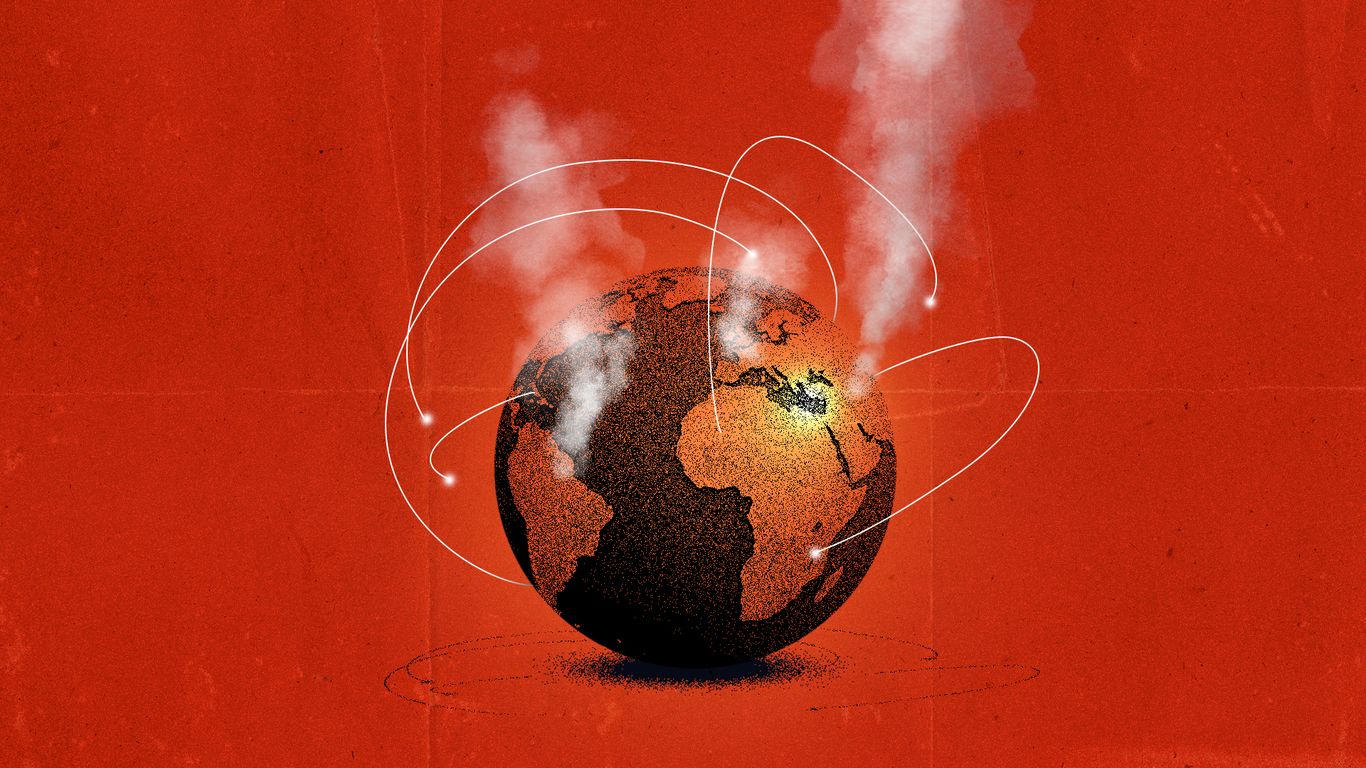
Ukraine and Taiwan are currently facing significant pressure due to a combination of geopolitical tensions and economic challenges. These nations find themselves navigating a complex landscape of external influences, which has led to strained resources and heightened uncertainty.
The Geopolitical Landscape of Ukraine
Ukraine has been at the center of geopolitical conflict for several years, particularly due to its ongoing tensions with Russia. The annexation of Crimea in 2014 set the stage for continued hostility, which has escalated with increased military aggression. This situation has led to a dire humanitarian crisis, with many Ukrainians displaced and living under precarious conditions. The economy has also been adversely affected by the ongoing conflict, struggling under the weight of war-related expenses and the need for extensive reconstruction.
Moreover, Ukraine depends heavily on international assistance to keep its economy afloat. Organizations and countries around the world, recognizing the critical situation, have extended support in various forms, including financial aid, humanitarian assistance, and military supplies. Yet, the ongoing instability poses risks and challenges to these efforts, making it imperative for Ukraine to find sustainable solutions to its governance and economic strategies.
The Economic Strains in Taiwan
On the other side of the globe, Taiwan is grappling with its own set of pressures. The threat posed by China looms large, especially as Beijing increases its military presence in the Taiwan Strait. This escalating tension with China has led to fears of potential conflict, which could have devastating effects not only on Taiwan but also on the global economy.
Taiwan’s economy is heavily reliant on its technology sector, particularly semiconductors, which are essential for a myriad of global industries. However, the geopolitical landscape makes it challenging for Taiwan to secure its supply chains effectively. The semiconductor shortage during the pandemic highlighted vulnerabilities, emphasizing the need for diversification in both production and markets. Taiwan has begun implementing measures to bolster its economic position, yet uncertainty remains a constant threat.
Impacts on Global Supply Chains
Both Ukraine and Taiwan play critical roles in global supply chains, making their predicaments relevant beyond their borders. The ongoing conflict in Ukraine, coupled with Taiwan’s precarious position, has introduced volatility into global markets. Industries around the world are feeling the effects, from agriculture to technology, as disruptions ripple through supply lines.
Firms that rely on Ukrainian agricultural products, for instance, have experienced shortages and price surges, while technology companies dependent on Taiwanese semiconductors face delays that hinder production. The interconnectedness of today’s economy underscores the need for countries to be more resilient and adaptable in the face of such challenges.
The Path Forward for Both Nations
For both Ukraine and Taiwan, the path forward is fraught with challenges yet filled with potential opportunities. Strengthening international partnerships will be vital. For Ukraine, a focus on rebuilding and reforming governance can help stabilize the nation. Meanwhile, Taiwan must work on diversifying its economy while reinforcing its defense capabilities. By investing in innovation and fostering collaboration with global partners, both nations can enhance their resilience against external pressures.
In conclusion, the struggles faced by Ukraine and Taiwan are reflective of broader geopolitical dynamics that impact global stability. However, with strategic planning and concerted efforts, both nations can mitigate risks and lay the groundwork for a more secure future.