
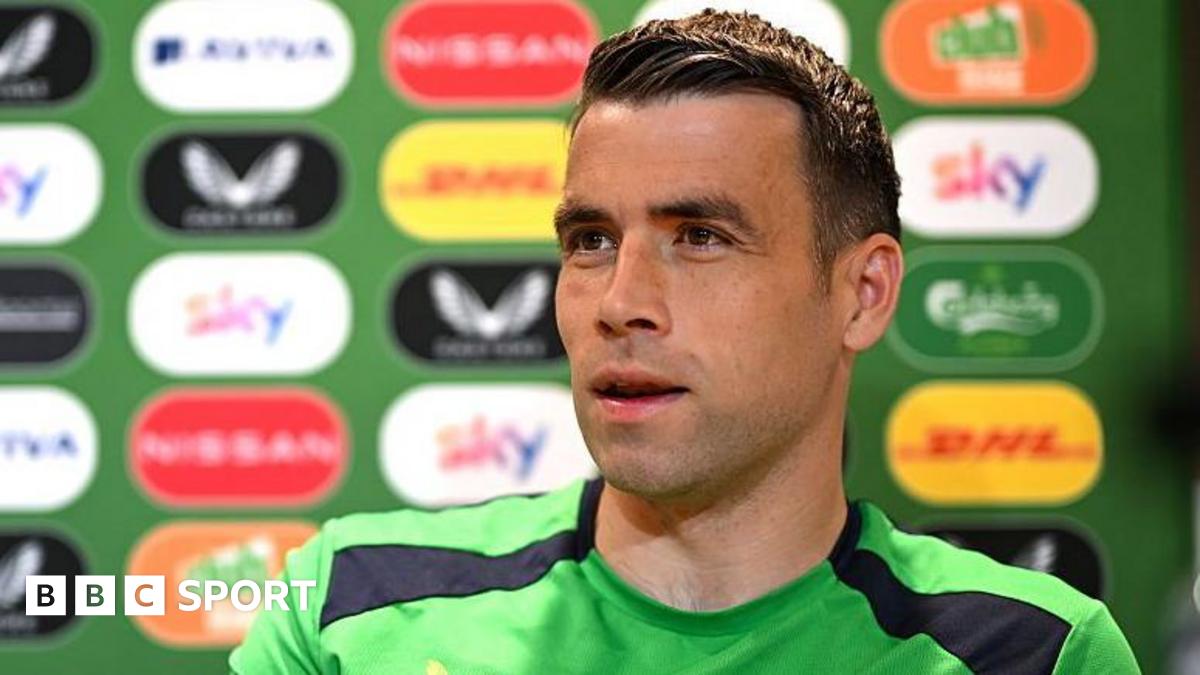
A new campaign called “Stop The Game” has emerged, driven by Irish Sport For Palestine, which accuses UEFA and FIFA of allowing Israeli teams to participate in matches played on occupied Palestinian territory. The organization alleges that such participation constitutes severe violations of established statutes and is reflective of what it terms a “brutal system of apartheid and genocide,” a stance that it claims has found tacit acceptance from the Irish government.
Humanitarian Concerns Amidst Conflict
The ongoing conflict in Gaza has ignited intense debate about the moral implications of sporting events held under these circumstances. Following a Hamas-led offensive on southern Israel on October 7, 2023, approximately 1,200 people lost their lives, and many more were taken hostage. In response, Israel initiated a military operation in Gaza that, according to health ministry reports, has resulted in over 72,500 fatalities. This dire situation raises pressing questions about the role of sports in politics and conflict.
Calls for Boycotts Grow Louder
As autumn fixtures approach, the call for a boycott of matches involving Israeli teams is gaining traction. Many believe that the scheduling of these games should fall under the jurisdiction of bodies like UEFA and the Football Association of Ireland (FAI). Coleman, a prominent figure in Irish football, expressed that it should not be the responsibility of young players aged 22, 23, or 24 to navigate these complex issues. These athletes are primarily focused on representing their country and should not have to shoulder the burden of political complexities.
Balancing Representation and Ethics
Coleman emphasized the weight of public sentiment, stating that the athletes represent the people of Ireland and must take into consideration the opinions of their supporters. The distinction between the human side of these issues and the obligations of professional sports is critical. He noted that this is not a straightforward situation. The players must juggle their responsibilities to the game and the potential fallout from decisions surrounding such political intricacies.
In a climate charged with humanitarian concerns and rising tensions, athletes find themselves at a crossroads. Coleman articulated the emotional turmoil faced by players, managers, and staff as they deal with these challenges while remaining committed to their sport. The dual challenge of excelling in their roles while grappling with significant ethical considerations complicates their experience.
As discussions continue, the intersection of sports and human rights remains a contentious topic. The “Stop The Game” campaign paints a clear picture of the dilemmas athletes face and the pressures exerted upon them. Calls for accountability will likely make it even harder for sports organizations to overlook these pressing issues as public scrutiny intensifies. The future of sporting events involving Israeli teams bears watching, with many advocating for a more humanely-driven approach to international competition.