
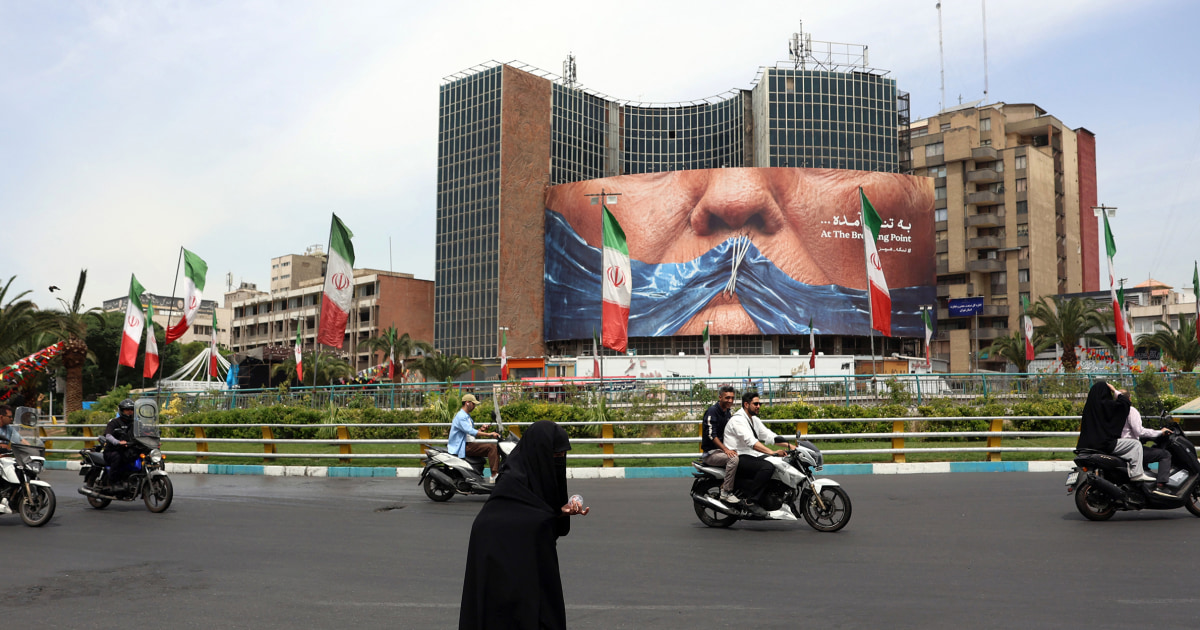
In recent developments, tensions between Iran and the United States have escalated significantly. Both nations have engaged in verbal exchanges escalating their accusations, each claiming the other has violated a fragile truce. This situation not only threatens regional stability but also poses challenges for international relations.
Escalating Strikes and Hostilities
The recent surge in military actions between Iran and the U.S. has raised concerns among global leaders. Reports indicate that both countries have launched strikes directed at each other’s assets, further deepening the chasm of distrust. In a climate already fraught with geopolitical strife, these military actions signal a possible regression to conflict. Analysts speculate that these strikes might be aimed at demonstrating strength, but they risk igniting wider confrontations.
Accusations of Truce Violations
In their ongoing back-and-forth, both sides have firmly accused the other of breaching the terms of the truce that was put in place earlier this year. Iran claims that U.S. forces have crossed established boundaries, while the U.S. maintains that Iran’s militia groups are acting with impunity. These allegations not only intensify hostilities but also complicate any potential diplomatic resolutions. As tensions mount, the prospect of a peaceful outcome appears increasingly remote.
The Regional Impact
The ramifications of this escalating conflict extend far beyond the borders of Iran and the U.S. Neighboring countries are closely monitoring the situation, concerned about the potential spillover effects. A more unstable Iran could lead to further unrest in the already volatile Middle East. Economies that are entwined with the fate of both nations may also suffer consequences, contributing to global anxieties about energy security and economic stability.
Path Forward or Deterioration?
As both countries stand entrenched in their positions, the critical question remains: what are the pathways forward? Diplomacy is often regarded as the most viable solution, yet it proves challenging when trust has eroded and military actions are on the rise. International actors may need to facilitate dialogue, but the willingness of both nations to engage constructively seems uncertain. The longer the standoff continues, the greater the risk of miscommunication or miscalculation, potentially leading to direct confrontations.
In this complex web of accusations and military actions, the consequences for peace and stability remain profound. The international community now watches closely, hoping for a return to diplomacy rather than a descent into conflict. How the situation unfolds over the coming weeks may set a precedent for future negotiations not just between these two nations, but for regional stability as a whole.