
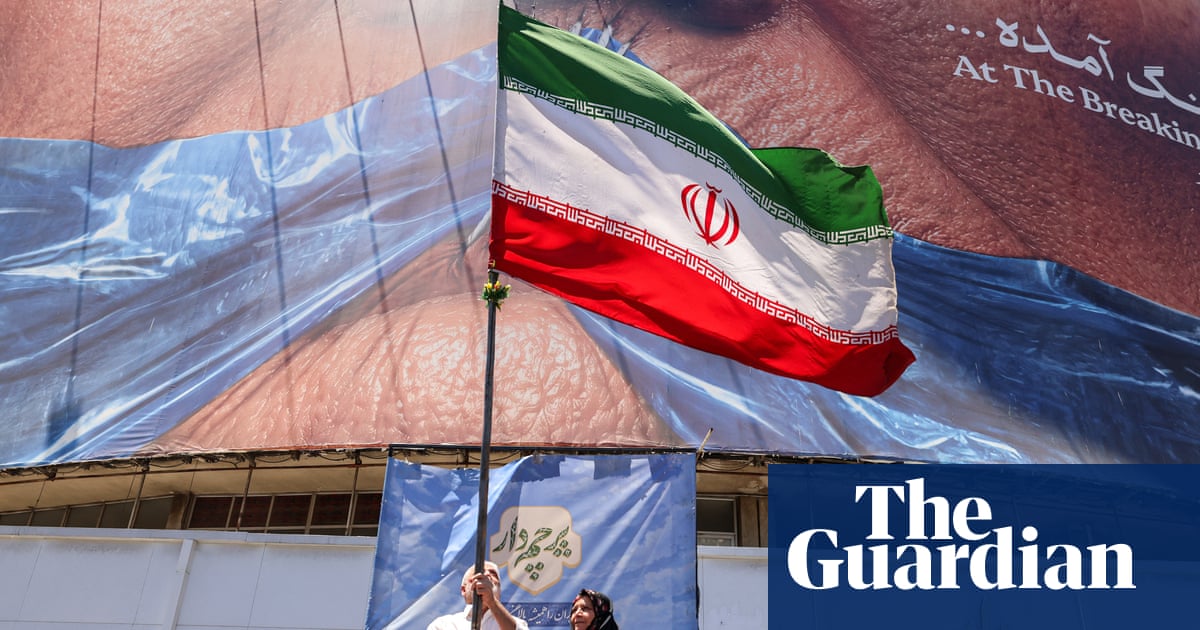
As international tensions rise, former President Donald Trump has circulated a draft peace proposal aimed at resolving the conflict with Iran. This document has reached key allies, including Israel, as both parties endeavor to prevent any further escalations that could jeopardize the ceasefire and the peace agreement.
Key Developments in the Negotiations
To facilitate talks, Pakistan’s Foreign Minister, Mohammad Ishaq Dar, is scheduled to visit Washington to meet with U.S. officials, particularly Marco Rubio. The backdrop of these discussions has been marked by a dangerous skirmish, with Tehran targeting a U.S. airbase in Kuwait after the U.S. reportedly neutralized an Iranian drone operation in the strategically important Strait of Hormuz. This delicate situation underscores the complexities both negotiating teams face as they remain firm on contentious issues.
Details of Trump’s Draft Agreement
The peace draft proposed by Trump aligns closely with previous versions circulating in the Middle East, suggesting that commercial shipping through the Strait of Hormuz should resume swiftly, with a target of reaching pre-war shipping levels within thirty days. In return, the U.S. would lift its blockade on Iranian ports and allow access to nearly $12 billion in previously frozen assets. Furthermore, the negotiations, which could last up to sixty days, are set to address Iran’s nuclear program, including its stockpile of enriched uranium and oversight by the International Atomic Energy Agency (IAEA).
Challenges and Regional Implications
The agreement, however, poses challenges for Israel, as it postpones definitive commitments from Iran regarding its nuclear ambitions. Additionally, there are concerns about a permanent ceasefire that would include conflict resolution in Lebanon, a point of significant apprehension for Israeli officials. As Iran seeks to solidify its position, the Chinese government is advocating for the United Nations Security Council to endorse any resultant agreement.
While negotiations continue, the draft remains vague on critical issues such as lifting sanctions on Iran’s oil sector. Trump has threatened consequences against Oman if it attempts to impose fees on navigation through the Strait, emphasizing U.S. intent to ensure unimpeded commercial passage. Iran’s Islamic Revolutionary Guard Corps (IRGC) has reiterated its control over these waters, insisting on permission for all vessels passing through, further complicating the operational landscape.
At the same time, the indirect communications between Iran and the U.S. have not entirely ceased despite sporadic skirmishes. Intervening parties, like Pakistan and Qatar, continue to mediate, but any missteps, particularly by oil tanker operators attempting to navigate without Iranian permission, could unravel the fragile truce established on April 8.
Potential ramifications of intensified hostilities are already noticeable; oil prices have surged by 2%, although they remain below the $100 per barrel mark. As uncertainties loom, Iranian officials, including Deputy Foreign Minister Ali Bagheri, continue to demand the unconditional release of frozen assets, while the U.S. Treasury imposes sanctions on Iran’s recently formed maritime authority.
Tensions are also palpable within Iran, where Supreme Leader Mojtaba Khamenei has urged officials to avoid division, recalling the threats posed by external forces like the U.S. and Israel. The unfolding narrative suggests a complex interplay of diplomacy fraught with underlying tensions, making the path to a viable peace agreement increasingly challenging.