
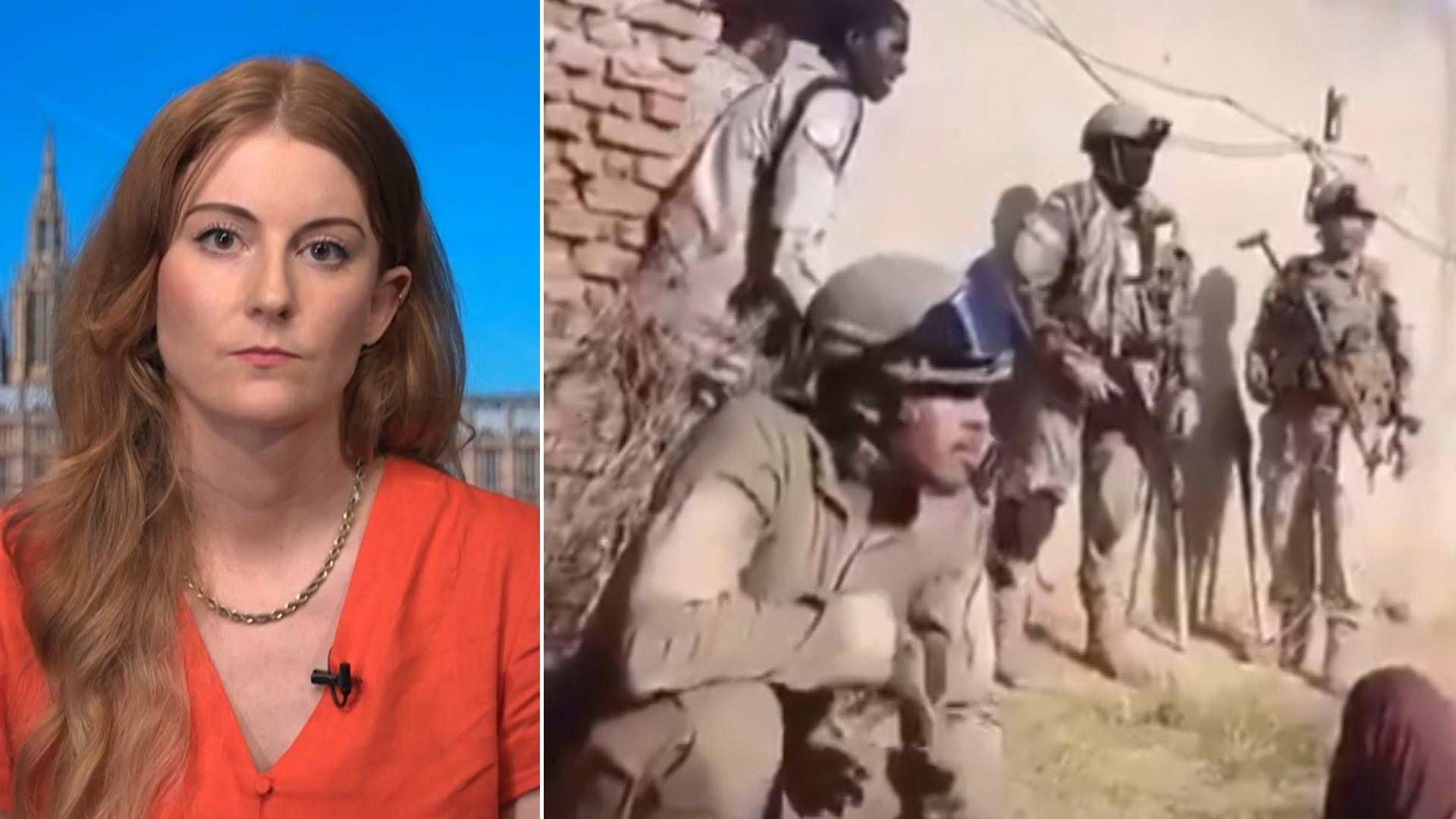
This is a summary of new findings regarding the involvement of Colombian mercenaries in the ongoing conflict in Sudan, as illustrated in a recent report by Human Rights Watch. The research highlights the alleged training and deployment of these contractors by a UAE-based security firm, shedding light on the geopolitical dynamics at play.
Colombian Mercenaries in Sudan
Human Rights Watch recently unveiled a report indicating that a UAE-based security company, Global Security Services Group, has been hiring Colombian mercenaries accused of war crimes in Sudan. The report asserts that since 2024, this organization has employed hundreds of Colombian military contractors to aid the Rapid Support Forces (RSF) in their conflict-infused operations in Sudan. Evidence gathered suggests these contractors were present in the strategic town of El Fasher in October 2025, where the RSF allegedly perpetrated large-scale massacres and sexual violence. This revelation adds to the mounting evidence of the UAE’s engagement in Sudan’s turmoil, despite claims of neutrality.
The Role of A4SI and U.S. Sanctions
The recruitment of these contractors is largely facilitated by a Colombia-based agency named A4SI, which has strong connections to the UAE security firm. The U.S. Treasury sanctioned A4SI in December 2025 due to its role in hiring retired Colombian military personnel. In contrast, Global Security Services Group, directly involved in deploying these mercenaries, has yet to face similar consequences, prompting calls for the U.S. and EU to investigate their operations and leadership, particularly that of CEO Mohamed Hamdan al-Zaabi. The report criticizes the lack of action against those funding and supporting the RSF and asserts that merely sanctioning A4SI does not address the broader issue.
The UAE’s Strategic Interests
The report discusses the UAE’s motives behind intensifying the conflict in Sudan. The UAE has a history of intervention across the region, leveraging conflicts to bolster its political and economic influence, as observed in its military interventions in Yemen and Libya. Despite a series of documented human rights violations associated with these interventions, the international community has largely remained silent, failing to hold the UAE accountable for its actions. This ongoing situation in Sudan reflects a troubling trend where external actors contribute to prolonged suffering without facing consequences.
Recruitment Dynamics: Why Colombia?
Colombia has emerged as a significant source of military personnel for the UAE due to its long history of internal conflict, resulting in a surplus of highly trained retired soldiers. The relationship between Colombian veterans and the UAE dates back to 2011, when the UAE began forming a battalion comprised entirely of former Colombian military members. The compatibility of their training on similar U.S. military equipment further facilitates this partnership. Though there are indications that the UAE has sought fighters from other nationalities, a solid, longstanding connection with Colombians emphasizes the intricate layer of international military relations and recruitment strategies being utilized.
In summary, the findings from Human Rights Watch call for greater scrutiny of the relationships between countries and their involvement in international conflicts. The situation in Sudan exemplifies how geopolitical interests can lead to severe human rights violations, demonstrating the dire need for accountability and transparency in global military operations.