
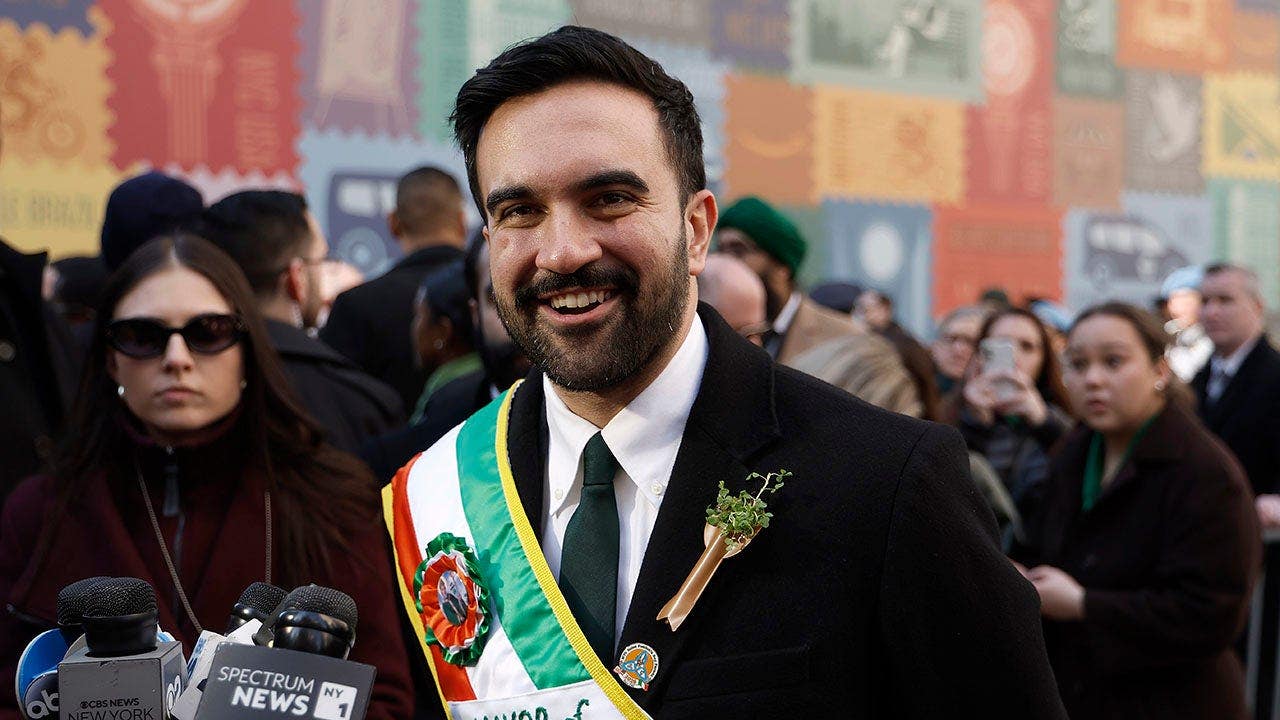
New York City Mayor Zohran Mamdani has decided not to participate in the annual Israel Day Parade, breaking a long-standing tradition among mayors. His absence marks a significant departure from the decades-old practice of previous mayors who have consistently attended this event since its inception in 1964. This decision comes at a time when antisemitism has been reported at alarming levels, and anti-Israel protests have increased around the city.
Historical Context of the Israel Day Parade
The Israel Day Parade has been a symbol of Jewish pride and unity in New York City for nearly six decades. It draws thousands of participants and spectators, celebrating the contributions of the Jewish community while also reflecting on the historical ties between the city and Israel. Given that every mayor since 1964 has taken part, Mamdani’s absence raises questions regarding his approach to community events that recognize and celebrate the Jewish identity. This year, reports of increased antisemitic incidents in the city make the mayor’s decision even more controversial.
Mamdani’s Political Stance
Mamdani, a Democratic Socialist, has articulated his political philosophy regarding Israel, especially following events such as the October 7, 2023, attack by Hamas. His previous criticisms of Israel have led to this symbolic refusal to attend the parade, which he views as inconsistent with his beliefs regarding equal rights for all people. Notably, he eliminated a previous order that restricted city agencies from engaging with the Boycott, Divestment, and Sanctions (BDS) movement against Israel. His spokesperson emphasized that his absence should not be misconstrued as a lack of support for the Jewish community, assuring that appropriate security measures would be in place for the parade.
Participation in Other Cultural Events
While Mamdani has opted out of the Israel Day Parade, he has actively participated in other city celebrations. Earlier this year, he joined the St. Patrick’s Day Parade, where he drew comparisons between the historical struggles of the Irish and the situation in Palestine. His involvement in the Lunar New Year Parade also demonstrated his commitment to diverse cultural events within New York City. However, this inconsistency in attendance raises eyebrows about his commitment to engaging with all communities.
Mamdani’s decision not to attend the Israel Day Parade fits into a broader narrative of his political identity, which focuses on systemic issues rather than traditional celebratory functions. During his mayoral campaign, he hinted that he might not attend several parades, aiming to address core urban challenges instead. This perspective aligns with his vision for leadership but leaves some communities questioning his commitment to celebrating their histories.
As New York City continues to grapple with rising antisemitism, that Mamdani’s stance may have consequences beyond the parade itself. Many in the Jewish community are left pondering the implications of their mayor’s selective participation in cultural events while navigating broader societal issues. Whether or not the mayor will alter his approach to future city celebrations remains to be seen, especially with significant events like the Puerto Rican Day Parade and Columbus Day Parade scheduled in the coming months.
Ultimately, Mamdani’s decision sheds light on the evolving dialogues regarding culture, politics, and community representation in New York City, illuminating the complexities he faces as a mayor caught between competing narratives and expectations.