
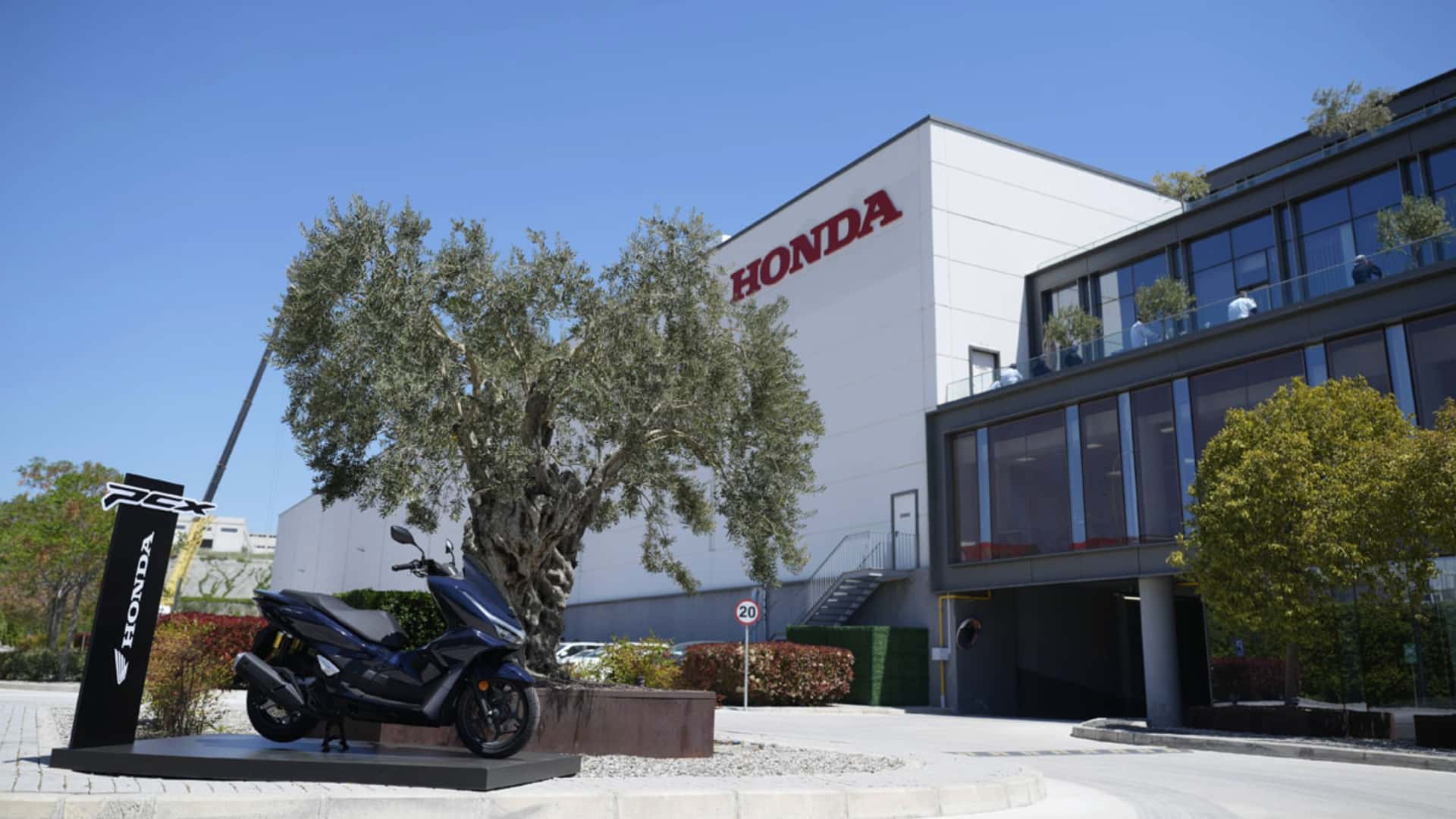
Honda has recently inaugurated a new motorcycle manufacturing facility in Turkey, and while such expansions are often considered routine news, this development carries greater significance. This new plant is emblematic of the evolving landscape of the global motorcycle market, which is witnessing a fusion of cultural and economic factors. Situated in Turkey’s Izmir region, this factory positions Honda strategically in a growing area of motorcycle demand.
A Significant Step for Honda
This newest facility in Aliaga marks Honda’s 38th two-wheeler production site globally. Covering over 1 million square feet, the factory includes approximately 485,000 square feet of production space. Initially set to produce 100,000 motorcycles and scooters annually, the factory has the flexibility to scale up to 200,000 units yearly if the demand rises. This expansion capability underscores the burgeoning motorcycle market in Turkey, making it a critical component of Honda’s future strategy.
What sets this factory apart is not just its impressive scale but also its focus on practical models like the Honda PCX 125. While this model might be viewed merely as a simple urban scooter in Western markets, it serves a dual role in many other parts of the world: as a vital mode of commuting and a tool for small businesses. This multifaceted utility reaffirms Honda’s foundational principle of prioritizing practical mobility.
The Turkish Market: A Unique Landscape
Turkey offers an intriguing mix of urban traffic dynamics, high fuel prices, and a growing two-wheel enthusiast culture. As cities like Istanbul experience significant congestion, scooters emerge as a favored mode of transport, not just for individuals but also for businesses delivering goods. The motorcycle market here isn’t just limited to scooters; there’s increasing interest in a range of bikes, from naked models to adventure touring machines. This diverse demand makes Turkey especially appealing for Honda, as it aligns perfectly with their strategy of addressing varied motorcycle needs.
In contrast to the U.S. motorcycle market, which is predominantly recreational—dominated by large cruisers and touring bikes—Turkey lies in a transitional space. Southeast Asia relies on motorcycles as basic transportation, while Turkey serves as a bridge, showcasing a blend of practical commuting and recreational riding. Honda is keenly aware of this balance, viewing Turkey not just as an emerging market but as a crucial juncture for the motorcycle industry.
The Future of Motorcycling
The motorcycle sector is evolving at a rapid pace. Factors such as increasing urbanization, escalating fuel costs, and a growing demand for delivery solutions are driving the attention towards practical two-wheel vehicles. Yet, amid this surge, the appetite for enthusiast models remains strong. This coexistence of utility and leisure in the Turkish market indicates that it’s likely to become a core area for manufacturers like Honda.
Thus, this new Turkish factory is far more than just another facility for Honda. It symbolizes the company’s recognition of a shifting global market, positioning Honda at the forefront of future motorcycling trends. As urban areas around the world continue to grapple with congestion and changing economic circumstances, Honda’s proactive approach in Turkey might well serve as a model for other manufacturers aiming to navigate this complex landscape.