
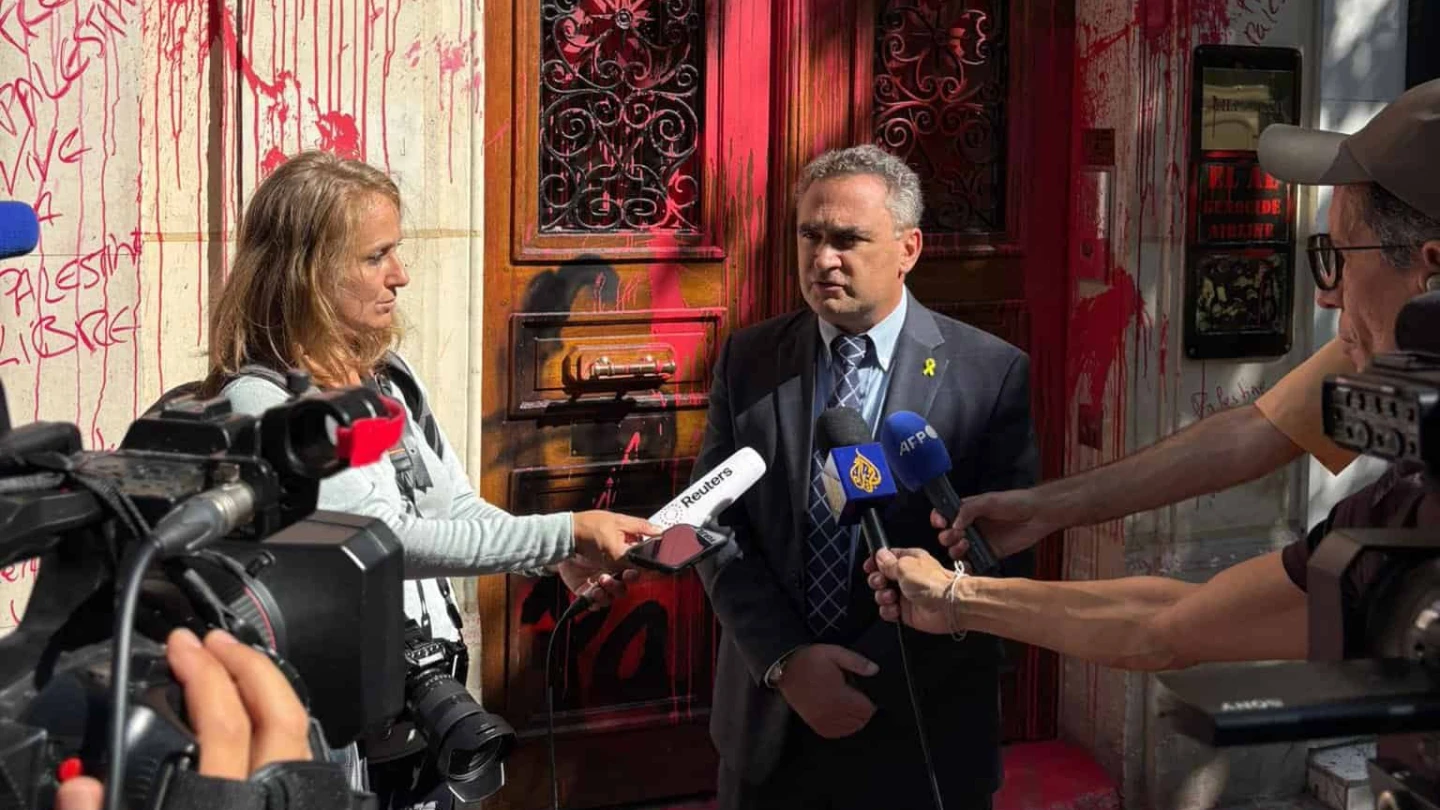
Understanding the Rise of Antisemitism post-October 7
In the aftermath of the gruesome attack orchestrated by Hamas on October 7, 2023, there has been a notable increase in antisemitism across the globe. Israeli Ambassador to France, Joshua Zarka, asserts that this surge is rooted in a newfound sense of empowerment among those harboring antisemitic sentiments, rather than a reaction to Israel’s military response. This perspective sheds light on the broader implications of antisemitism, particularly in Western societies where Jewish communities have traditionally felt safer.
Fueling Antisemitism: The Role of Qatar
Zarka believes that the rise in antisemitism isn’t a recent development but is rather the culmination of longstanding issues, notably fueled by the influence of Qatar. He characterizes the state as an adversary to the Jewish people, not limited to just Israel. Zarka highlights how Qatar has been instrumental in supporting antisemitic movements, especially in American and French contexts. He notes that financial backing from Doha has significantly contributed to anti-Israel sentiment, which escalated after the events of October 7, transitioning from the BDS (Boycott, Divestment, Sanctions) campaign to open hostility against Jews.
In France, the Jewish community is robust and vibrant, being the largest in Europe and the second-largest in the global diaspora. “The Jewish people are not hiding,” Zarka points out, referencing societal changes since the Holocaust. He relays a poignant memory of a rabbi who famously remarked that, with the establishment of the State of Israel, Jews seemed to have grown taller, symbolizing a newfound confidence and courage.
Pride in Jewish Identity
Zarka emphasizes the integral relationship between Jewish identity and pride in their contributions to humanity. His observations indicate that the French Jewish population is deeply connected to Israel and plays an active role in standing against antisemitism. While expressing a commitment to supporting Jewish communities, he insists on the importance of allowing local governments to take primary responsibility for safeguarding their citizens.
He commends French authorities for their active efforts to combat antisemitism, albeit acknowledging the challenges posed by the high number of incidents. “Even with police presence, it can feel overwhelming,” he notes, highlighting that the embassy’s role is to provide moral support and share intelligence rather than take over the responsibilities of local governments.
Concerns for Canadian Jewish Communities
Zarka paints a stark picture of the situation in Canada, previously seen as a haven for Jews. He describes the current climate as a “lost cause,” with rising antisemitic incidents making many Jews feel increasingly unsafe. He attributes this troubling trend to factors such as immigration patterns and the influence of contemporary social movements that target Israel. Zarka argues that the narrative portraying Israel as a colonial entity contributes to a broader atmosphere of hostility in the West.
The ambassador expresses concern over the normalization of antisemitic language, which, while deemed unacceptable in many societies, still finds a platform in some Western countries. He argues for a societal shift that condemns such rhetoric as harmful and unethical.
Strained Relations with France
Zarka’s insights reveal a crisis in Israeli-French relations stemming from recent governmental decisions and public statements. He points out that measures like the French boycott of the Israeli defense industry, coupled with unfounded accusations against Israel, have exacerbated tensions. The French government’s call for the recognition of a Palestinian state during a time of heightened conflict was particularly damaging, as it seemed to empower Hamas in the eyes of its leaders.
As anti-Israel sentiments rise, Zarka warns that this period represents one of the most challenging in Palestinian-Israeli relations since his tenure began. The need for healing and diplomacy is critical, as both countries navigate this precarious moment. The interplay of local and international dynamics underscores the urgency in addressing antisemitism and fostering a more inclusive discourse while remaining vigilant against extremist views.