
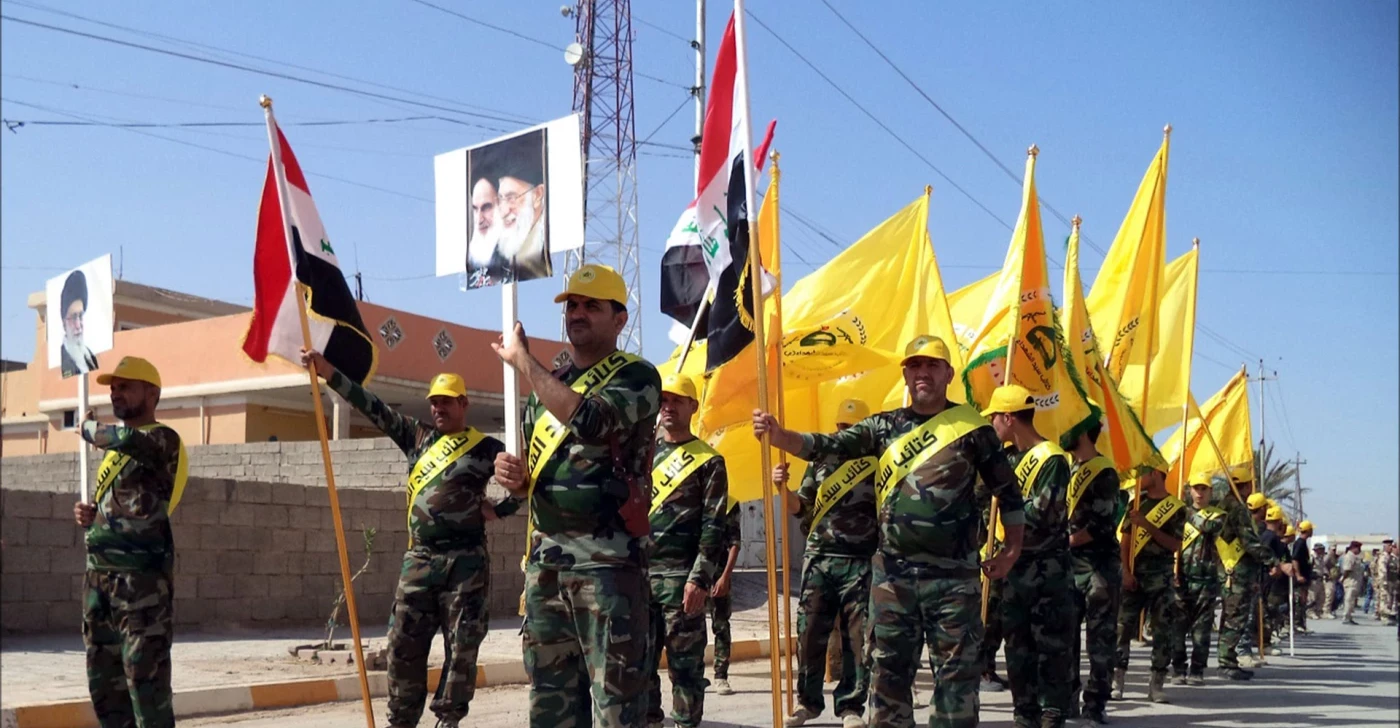
Kataib Sayyid Al-Shuhada, an Iraqi militia aligned with Iran, has firmly stated its refusal to disarm, emphasizing that its weapons will remain intact as long as perceived threats exist in the region. This declaration raises critical questions regarding the ongoing security landscape in Iraq and the role of various armed factions within it.
Rejection of Disarmament
On Wednesday, the spokesperson for the faction, Kazem Al-Fartousi, articulated the group’s stance, asserting that they would not relinquish their arms during this tumultuous period. The militia maintains that their arsenal is not just for personal use; rather, it serves as a protective measure against external threats, specifically those they perceive as jeopardizing Iraq’s sovereignty. Al-Fartousi stated emphatically, “The faction will not surrender its weapons as long as there is occupation and violations affecting Iraqi sovereignty.” This standpoint reinforces the organization’s commitment to what they view as a justified resistance.
Support for Government Stability
Despite their resistance to disarmament, Kataib Sayyid Al-Shuhada expresses a willingness to support the current government led by Prime Minister Ali Al-Zaidi. Al-Fartousi emphasized that the group could back the Prime Minister in managing state affairs and ensuring stability but stated that full disarmament is not feasible at this stage. Their insistence on maintaining their weapons reflects a complex balance between supporting the government and staying true to their ideological beliefs regarding self-defense and sovereignty.
Concerns Over Integration
Moreover, Al-Fartousi criticized the idea of fully integrating armed factions into Iraq’s security apparatus. He highlighted that each group possesses a unique role in the current security landscape, and discussions regarding their complete integration should hinge on specific political and security contexts. His comments suggest a reluctance among militia leaders to relinquish their autonomy and authority in favor of a unified national security structure.
The Wider Implications
The ongoing discussions surrounding disarmament and the status of armed factions in Iraq are not isolated issues. They intertwine with broader political dynamics and have significant implications for the country’s future. Recently, Muqtada Al-Sadr, a prominent figure within the Shiite political sphere, announced the formal separation of Saraya Al-Salam, his movement’s military wing. He declared that its members would transition into government institutions under the command of the Prime Minister, illustrating the complex negotiations between political authority and military power within Iraq.
Al-Sadr’s move could influence how other factions perceive their roles and responsibilities, potentially leading to shifts in loyalty and operational strategies. However, groups like Kataib Sayyid Al-Shuhada may view such transitions with skepticism. The announcement underlines the delicate nature of Iraq’s political framework, where the struggle for power continues to coexist with the longstanding historical grievances that affect national unity.
In conclusion, the firm stance taken by Kataib Sayyid Al-Shuhada against disarmament sheds light on the ongoing tensions between armed factions and the Iraqi government. As the country navigates a complex political landscape, the balance between state authority and factional autonomy will play a pivotal role in shaping Iraq’s future security dynamics.