
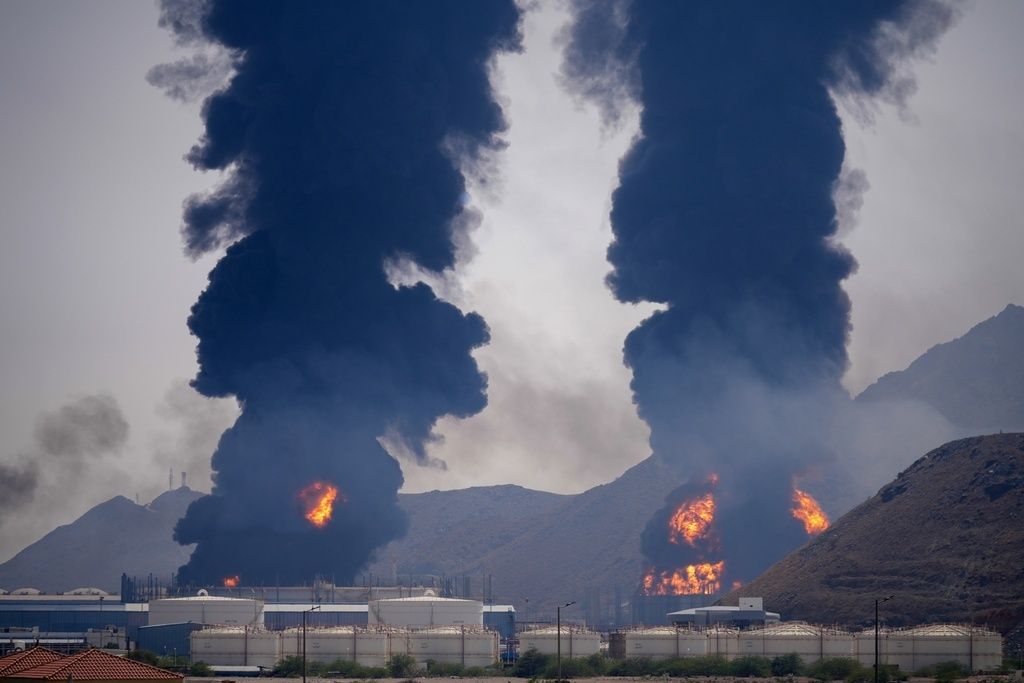
Recent reports unveil a growing military involvement of the United Arab Emirates (UAE) in the recent conflict with Iran, highlighting the complexity and divisions among Gulf states regarding their stance on Tehran. This escalation marks a pivotal moment in the region’s geopolitical landscape.
UAE’s Strategic Military Actions
A comprehensive analysis by the Wall Street Journal indicates that the UAE executed numerous airstrikes in synchronization with both the United States and Israel, far exceeding earlier assumptions of its military engagement. The campaign commenced in the early days of hostilities and continued past the declaration of a ceasefire. The UAE targeted crucial Iranian military assets as well as key energy infrastructures, focusing on locations like Qeshm and Abu Musa islands, Bandar Abbas, the Lavan Island refinery, and the Asaluyeh petrochemical complex. These moves illustrate Abu Dhabi’s readiness to take direct military action to safeguard its national and economic interests, particularly in light of recent Iranian attacks on its oil and gas infrastructure.
Coordination With Allies
The UAE’s military strategy appears to have been closely coordinated with Washington and Jerusalem, with both allies providing crucial intelligence to support the operations. Notably, some of the strikes were specifically designed to retaliate against Iranian actions targeting Emirati infrastructure. One particular operation aimed at the Asaluyeh petrochemical complex triggered significant backlash, leading the United States to urge Israel to cease attacks on Iranian energy assets due to concerns about broader economic consequences.
Discontent Among Gulf States
The conflict has also revealed significant friction within the Gulf Cooperation Council (GCC). Reports suggest that Saudi Arabia raised alarms in early April regarding the UAE’s military tactics, fearing that such aggressive maneuvers could provoke Iranian retaliation against regional energy networks, destabilizing oil markets and inflating global prices. Saudi officials reportedly called on the United States to encourage Abu Dhabi to temper its military aggression and to focus on diplomatic efforts to de-escalate tensions.
The differing responses to the conflict seem to have strained relations among Gulf leaders. Insights from officials indicate that UAE President Sheikh Mohamed bin Zayed expressed frustration towards Saudi Crown Prince Mohammed bin Salman after Riyadh opted out of participating in coordinated military actions against Iran. This divergence in military strategy and diplomatic approach has potential implications for the stability of the region and the future of Gulf cooperation.
Broader Implications for the Region
The increasing military assertiveness of the UAE against Iran not only underscores its regional ambitions but also raises questions about the future of Gulf unity in the face of shared threats. As tensions in the region escalate, the differing approaches to foreign policy may hinder cooperative efforts necessary to address broader security concerns. How the Gulf states navigate these complexities will play a significant role in shaping the geopolitical landscape of the Middle East moving forward.
In summary, the UAE’s military actions serve as a stark reminder of the shifting dynamics in the Gulf and emphasize the essential need for cohesive strategies among regional powers.