
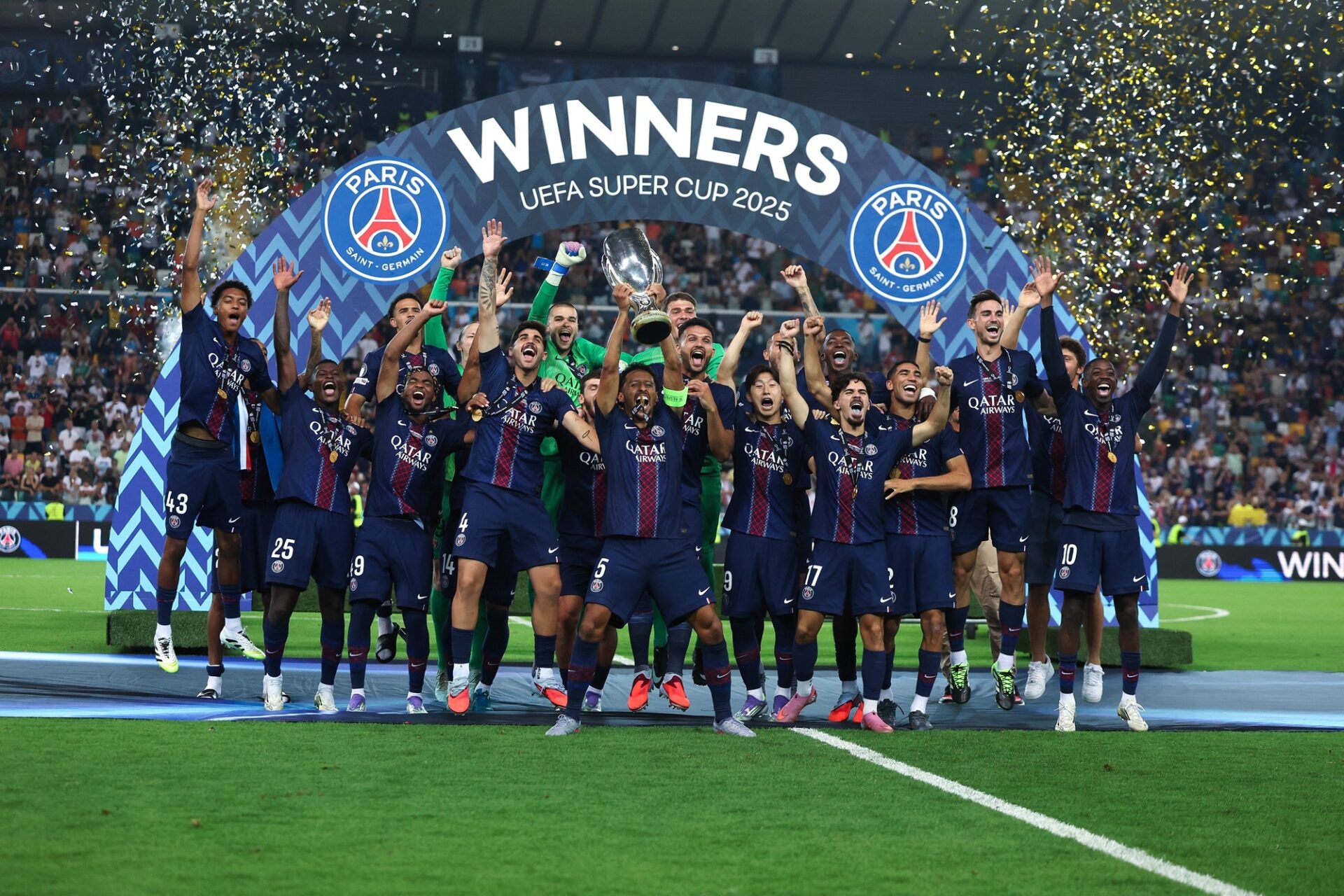
The upcoming Champions League final between Paris Saint-Germain (PSG) and Arsenal is set to take place at Budapest’s Puskás Aréna, drawing significant attention from more than just football fans. As both teams walk onto the pitch, Qatar Airways and Emirates, the primary sponsors emblazoned on each club’s jersey, will be watching closely. This match not only symbolizes a momentous sporting event but also highlights the intense rivalry between these two airlines, which have simultaneously become entrenched in the world of European football.
Airline Sponsorships in Football
The increasing trend of airline sponsorships in elite football is no mere coincidence; it represents a calculated strategy by the Gulf carriers to establish their brands on a global platform. This season, three of the four clubs in the Champions League semi-finals were adorned with airline logos: Emirates with Arsenal, Qatar Airways with PSG, and Riyadh Air—new to the commercial aviation scene—supporting Atlético Madrid. Bayern Munich, the fourth semi-finalist, has its own sponsorship with Deutsche Telekom but also partners with Emirates as a platinum sponsor. This strategic visibility has cemented the aviation industry’s influence at the highest levels of European football, making airline sponsorship one of the most lucrative marketing avenues available.
The Financial Impact of Airline Partnerships
The financial stakes of these partnerships are staggering. For instance, Manchester City’s deal with Etihad Airways is valued at approximately £65 million annually, while Real Madrid’s agreement with Emirates stands at around €70 million per year. PSG’s partnership with Qatar Airways approaches €80 million annually, making it one of the richest deals in European football. Arsenal’s ongoing arrangement with Emirates, worth between £50 million to £60 million each year, demonstrates a bundled strategy that also encompasses training kit rights. As these figures illustrate, the aviation industry is not merely a sponsor but a vital player in the commercial ecosystem of elite football.
Trends Over the Seasons
This season’s airline-centric semi-finals are not isolated occurrences but part of a broader trend that has been shaping European football for years. In the 2021 season, both Emirates and Etihad had clubs in the final four, continuing to dominate key matches in subsequent years. Notably, five out of the last six Champions League winners featured an airline on their shirts, showcasing the growing power of airline sponsorship in securing visibility during crucial matches. This consistent presence aligns with the airlines’ goals of tapping into a lucrative audience, particularly in travel-centric demographics.
The Audience Airlines Aim to Engage
The allure of the Champions League for airlines is largely found in its extensive viewership. Each final attracts between 145 to 166 million live viewers, with estimates suggesting a total reach of around 450 million people across various platforms. From a marketing perspective, this audience is far more than just football fans; it represents a significant travel demographic, primarily situated in Europe, the Middle East, and Asia. The concentration of viewers aligns perfectly with the long-haul routes these airlines operate, transforming matches into powerful advertising opportunities that offer unmatched visibility and engagement.
In summary, the intrigue surrounding the Champions League final on May 30th goes beyond the pitch; it illuminates a new era of sporting partnerships that seamlessly blend aviation and football. Whether PSG or Arsenal emerges victorious, both Qatar Airways and Emirates have already reaped substantial benefits from their investments, showcasing how integrated and strategic industry participation in football can be for global brands. This not only sets a precedent for future partnerships but also reinforces the central role that airlines now hold within the framework of European football.