
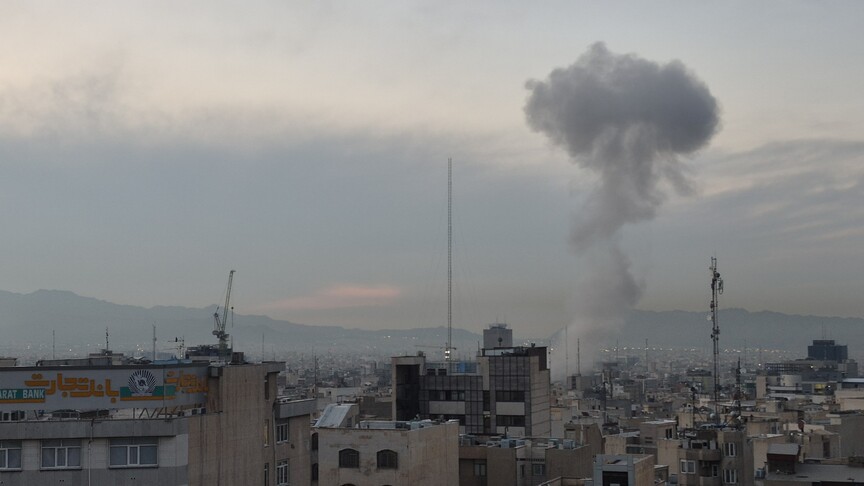
The recent conflict involving the United Arab Emirates (UAE), Iran, and a coalition including the US and Israel highlights a series of covert military actions that have gone largely unnoticed by the public. As reported by the Wall Street Journal, the UAE conducted numerous airstrikes against Iranian targets following the onset of the conflict, which has raised questions about the implications for regional stability and international relations.
UAE’s Covert Military Operations
The Wall Street Journal’s report reveals that, during the early days of the war, the UAE executed a series of airstrikes against Iran. These military operations were not executed in isolation; they were coordinated with the United States and Israel, both of which provided vital intelligence to support the UAE’s efforts. This coordinated strategy highlights an evolving alliance among these nations, aimed at countering Iranian activities in the region.
The targets of these strikes were significant, including vital strategic islands located in the Strait of Hormuz, the bustling port city of Bandar Abbas, and critical energy infrastructures such as petrochemical complexes and oil refineries. The UAE’s actions were partly motivated by Iran’s aggressive posture toward Emirati oil and gas assets. The UAE government has condemned these Iranian actions, labeling them as terrorist attacks and holding Tehran fully responsible for the ensuing consequences.
Regional Consequences and Reactions
The scale of the UAE’s military campaign has not gone unnoticed, leading to strained relations with neighboring Saudi Arabia. Citing concerns that the strikes could inadvertently involve regional energy facilities, the UAE has expressed its worries to Washington. Such interventions could disrupt not just local but also global oil markets, a factor of critical importance to all nations involved. The complexities of these dynamics underscore the delicate balance that powers in the Middle East must maintain, particularly amidst ongoing conflicts.
Compounding this geopolitical turmoil, the UAE has opted to withdraw from the OPEC and OPEC+ alliances in late April, signaling a major shift in its relationships within the oil-producing nations. In addition, the partnership with Israel expanded significantly during this conflict, with the deployment of Iron Dome air defense systems and troops from Israel to bolster the UAE’s defense capabilities. This shift indicates a reconfiguration of alliances that could redefine regional power dynamics.
Future Implications
As the situation continues to evolve, the implications of the UAE’s military actions and strategic partnerships are profound. The potential for a broader conflict looms, as nations reassess their roles in the volatile landscape of the Middle East. The relationship between the UAE and Iran is particularly precarious and could lead to further escalation unless a diplomatic solution is found.
In conclusion, the covert strikes by the UAE against Iranian targets represent not just a specific military action but a significant evolution in Middle Eastern geopolitics. With alliances shifting and a more assertive military posture from the UAE, the balance of power in the region may be irrevocably altered. As the situation unfolds, global eyes will remain focused on the actions of all parties involved, particularly concerning the stability of oil markets and regional security.