
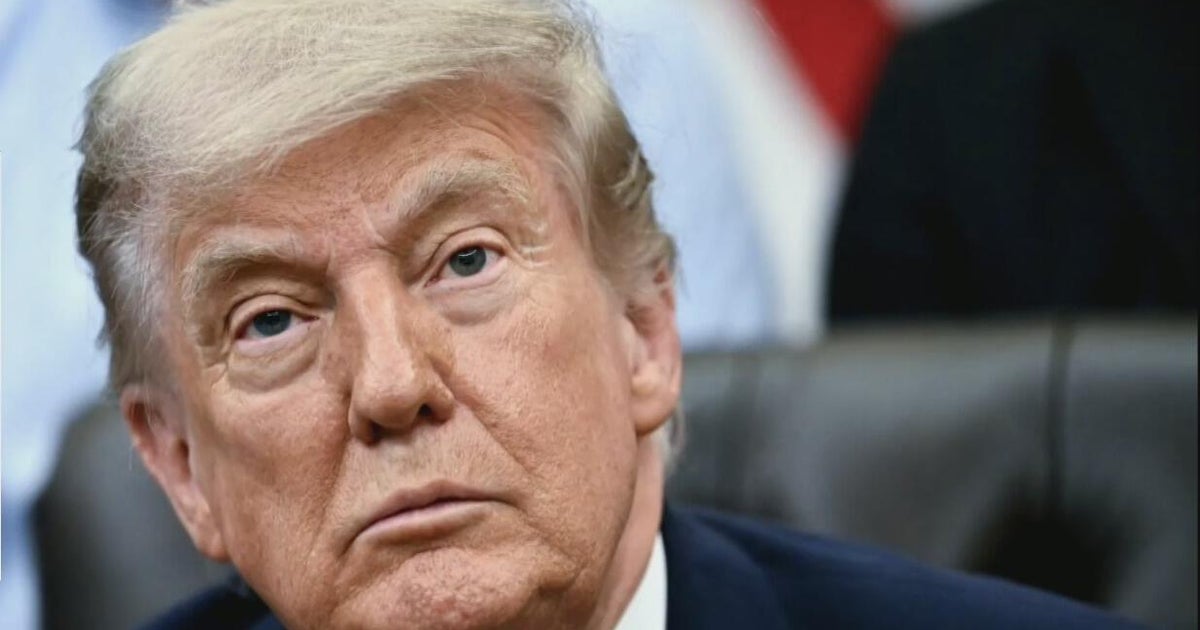
President Trump recently revealed that he would be making a conclusive decision regarding a possible arrangement with Iran in a meeting at the White House Situation Room. In a post on Truth Social, he emphasized that any successful deal would require the reopening of the Strait of Hormuz and an agreement from Iran to collaborate with the United States for the complete destruction of its highly enriched uranium.
The Importance of the Strait of Hormuz
The Strait of Hormuz is a crucial chokepoint for global oil transportation, playing a pivotal role in the stability of the international oil market. Approximately one-fifth of the world’s oil passes through this narrow waterway, making it of significant strategic importance to major economies. A U.S.-Iran agreement that facilitates the reopening of this strait could have far-reaching implications for global energy security and economic stability.
Furthermore, the potential lifting of any sanctions tied to Iran’s oil exports could lead to an increase in global oil supply, ultimately benefiting consumers. However, it also raises questions about the geopolitical balance in the region. Countries that rely heavily on oil, including the United States and its allies, are keenly aware that any disruptions in this vital corridor could result in soaring gas prices and economic repercussions worldwide.
The Nuclear Challenge: Uranium Enrichment
A core element of discussions surrounding any agreement with Iran involves its nuclear program, particularly the highly enriched uranium it produces. As fears grow regarding nuclear proliferation in the Middle East, the need for transparent dialogue between both nations has never been more pressing. The call for Iran to collaborate with the U.S. on uranium destruction highlights the urgency of addressing these nuclear concerns.
Only through rigorous oversight and stringent agreements can the international community feel assured that nuclear capabilities are not being developed for military purposes. Striking a balance between diplomatic negotiations and robust security measures will be essential for any lasting resolution to this complex issue.
The Path Forward: Diplomatic Efforts
Diplomatic efforts between the U.S. and Iran have had a tumultuous history, filled with setbacks and breakthroughs alike. The willingness to reopen channels for negotiation is crucial for both parties to avoid further escalation of tensions. The Trump administration’s approach, emphasizing the need for a concrete agreement, signifies a shift aimed at reducing hostilities.
Establishing a diplomatic framework that allows for cooperation between Washington and Tehran will require addressing not only nuclear concerns but also regional security issues, such as missile programs and support for proxy groups. A multifaceted agreement could serve as a stepping stone toward a more stable Middle East, while also paving the way for future negotiations not just between the U.S. and Iran, but among other nations in the region.
In conclusion, President Trump’s upcoming decision regarding an agreement with Iran has the potential to redefine U.S.-Iran relations and significantly impact global oil markets. By focusing on critical areas such as the Strait of Hormuz and nuclear capabilities, the path to a comprehensive agreement is fraught with challenges, yet filled with opportunities for diplomacy and cooperation.