
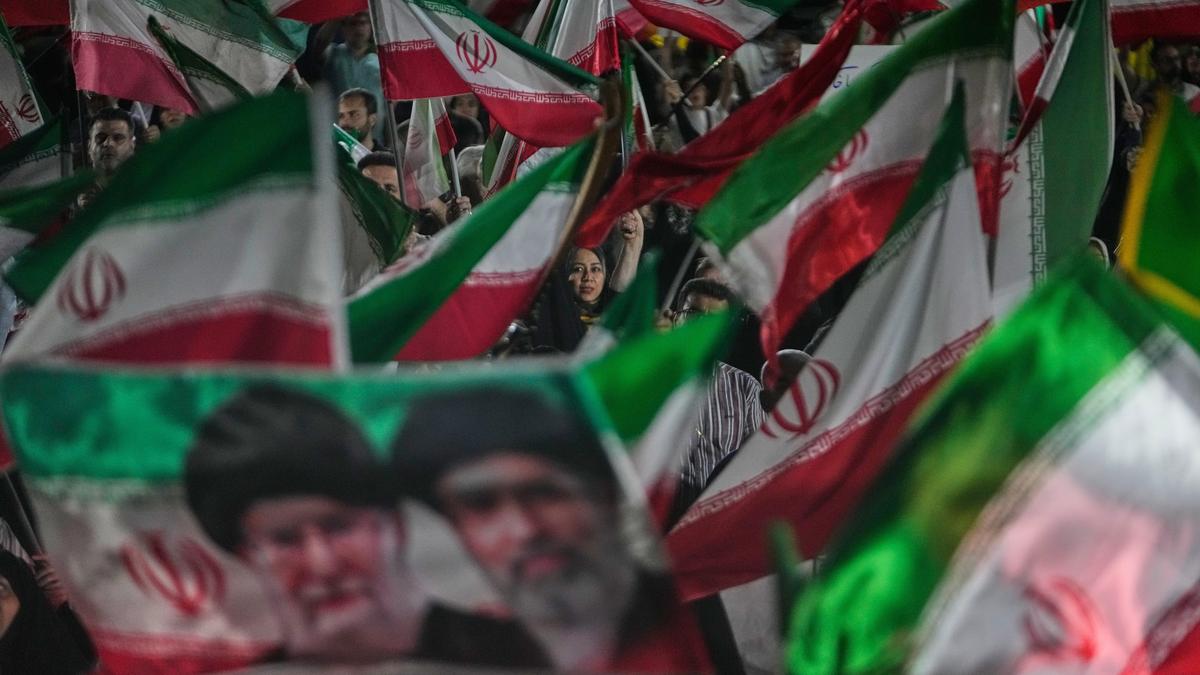
In recent months, international tensions in the Middle East have escalated, particularly concerning U.S.-Iran relations. Understanding this complex situation requires attention to numerous factors, including ceasefire terms, regional military actions, and diplomatic agreements. This article aims to break down the current landscape of these developments, reflecting on the implications for peace in the region.
U.S.-Iran Ceasefire Terms
The recent 60-day ceasefire negotiated between the United States and Iran marks a significant attempt to de-escalate longstanding tensions. This agreement stipulates that both nations will refrain from military aggression in exchange for diplomatic discussions. While the ceasefire is a noteworthy development, skepticism remains regarding its durability and the parties’ commitment to fulfilling these terms. Analysts believe that sincere engagement from both sides is crucial to maintaining peace and avoiding any sudden escalation.
The ceasefire not only impacts U.S.-Iran relations but also influences other regional players. Countries like Israel and Saudi Arabia are closely monitoring the situation, given their historical adversarial stance toward Iran. The stability of the ceasefire could lead to broader regional negotiations, or, conversely, ignite further conflict if either party perceives the agreement as being violated.
Trump’s Peace Deal Terms
Former President Donald Trump’s peace proposals aimed at resolving the Israel-Palestine conflict have also gained renewed attention amid these developments. The Trump administration’s plan emphasized economic incentives for peace while ensuring security for Israel. Critics argue that the deal does not adequately consider Palestinian rights or aspirations, making it a contentious topic in international diplomacy.
While the peace deal’s original framework is still influential, its effectiveness today is debatable. The shifting political landscape and rising tensions in the region have led many to question whether Trump’s terms can realistically foster lasting peace, particularly given the current strain between Iran and the U.S.
Strait of Hormuz Pressures
Another focal point in the ongoing discourse is the strategic Strait of Hormuz, a vital waterway through which a significant percentage of the world’s oil supply passes. Recent military maneuvers and threats in this region have heightened global energy security concerns. The U.S. has increased its naval presence in the area, citing the need to safeguard maritime routes and deter Iranian aggression.
The ongoing tensions present a precarious situation that could have significant implications for global oil prices. Any disruption in the Strait of Hormuz could trigger a substantial economic fallout, impacting not only the Middle East but also global markets. Consequently, the international community watches closely to see how the situation unfolds.
Israeli Military Strikes in Lebanon
Israel’s military operations in Lebanon have added another layer of complexity to the regional dynamics. These strikes are generally aimed at curbing Hezbollah’s influence and preventing potential threats from arising. However, the ramifications of these actions impact not only U.S.-Iran relations but also the fragile balance in Lebanon itself, potentially intensifying sectarian divisions and conflicts.
In conclusion, the Middle Eastern geopolitical landscape is fraught with volatility, marked by recent U.S.-Iran ceasefire terms, Trump’s peace proposals, and intensified military actions in key areas. The interplay of these factors underscores the necessity for diplomatic engagement and conflict resolution if peace is to be achieved in this historically tumultuous region. Keeping an eye on these developments will be critical as nations navigate their interests and security concerns moving forward.