
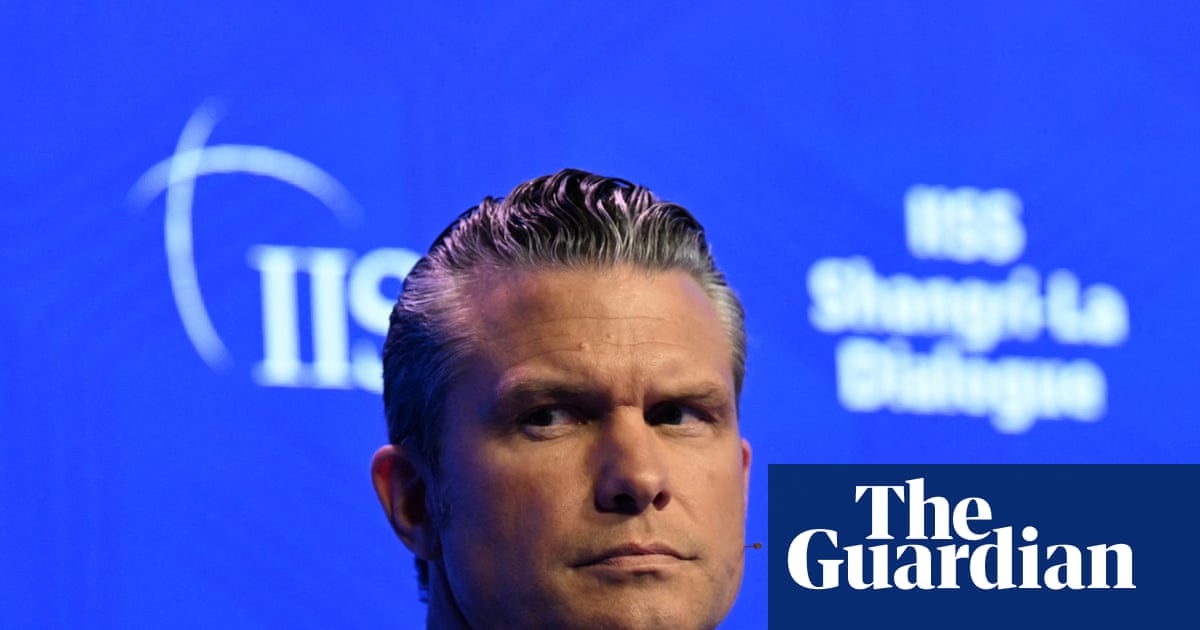
The ongoing tensions between the United States and Iran have brought into focus America’s military readiness and geopolitical strategies. At a recent defense summit in Singapore, US officials emphasized the country’s capacity to re-engage in conflict if necessary, highlighting the significance of military stockpiles and strategic partnerships.
America’s Military Readiness
During the Shangri-La Dialogue, US Defense Secretary Pete Hegseth asserted that the United States is well-prepared to resume military operations against Iran if required. Hegseth stated that “our stockpiles are more than suited for that,” indicating the country’s strong logistical capabilities in both regional and global contexts. This preparedness comes at a time when diplomatic negotiations to secure a peace deal with Iran have stalled, leaving the possibility of renewed conflict looming over international relations.
Amid these discussions, former President Donald Trump has claimed he could facilitate a peace agreement that would involve significant concessions from Iran, including the opening of critical waterways and the dismantling of nuclear capabilities. However, Iranian officials have expressed skepticism, suggesting that an agreement has not yet been solidified. This ongoing diplomatic impasse continues to contribute to tensions in the region.
Geopolitical Concerns in Asia
Hegseth also addressed rising concerns regarding China’s military expansion at the same summit. He described “rightful alarm” over Beijing’s increased military activities and noted that the US aims to maintain a stable regional balance. This is a notable shift from his previous confrontational approach toward China and reflects a desire for constructive dialogue.
He elaborated on the need for a “favorable but durable balance of power,” ensuring that no state, including China, can dominate regional security or economic stability. Hegseth stressed the US’s commitment to engaging with China “in good faith” while remaining cautious about its military buildup, underscoring the complexities of US-China relations.
Future Implications for US Foreign Policy
The absence of a high-ranking Chinese official from the summit signals a shift in how Beijing perceives its position on the global stage. Analysts suggest this reflects confidence in China’s growing power and a reluctance to publicly address contentious issues. However, some critics argue that failing to send top officials could backfire, particularly regarding critical security challenges like the Strait of Hormuz and Taiwan.
Regarding Taiwan, Hegseth noted that there has been “no change” in Washington’s policy but indicated that future arms sales to the island would remain at the discretion of the current presidential administration. This cautious approach demonstrates the intricacies of US foreign policy amidst global tensions.
In summary, the US military’s preparedness and strategic thinking concerning both Iran and China are crucial for maintaining stability in an increasingly complex international landscape. As diplomatic avenues continue to evolve, the potential for conflict remains a pressing concern for global security.