
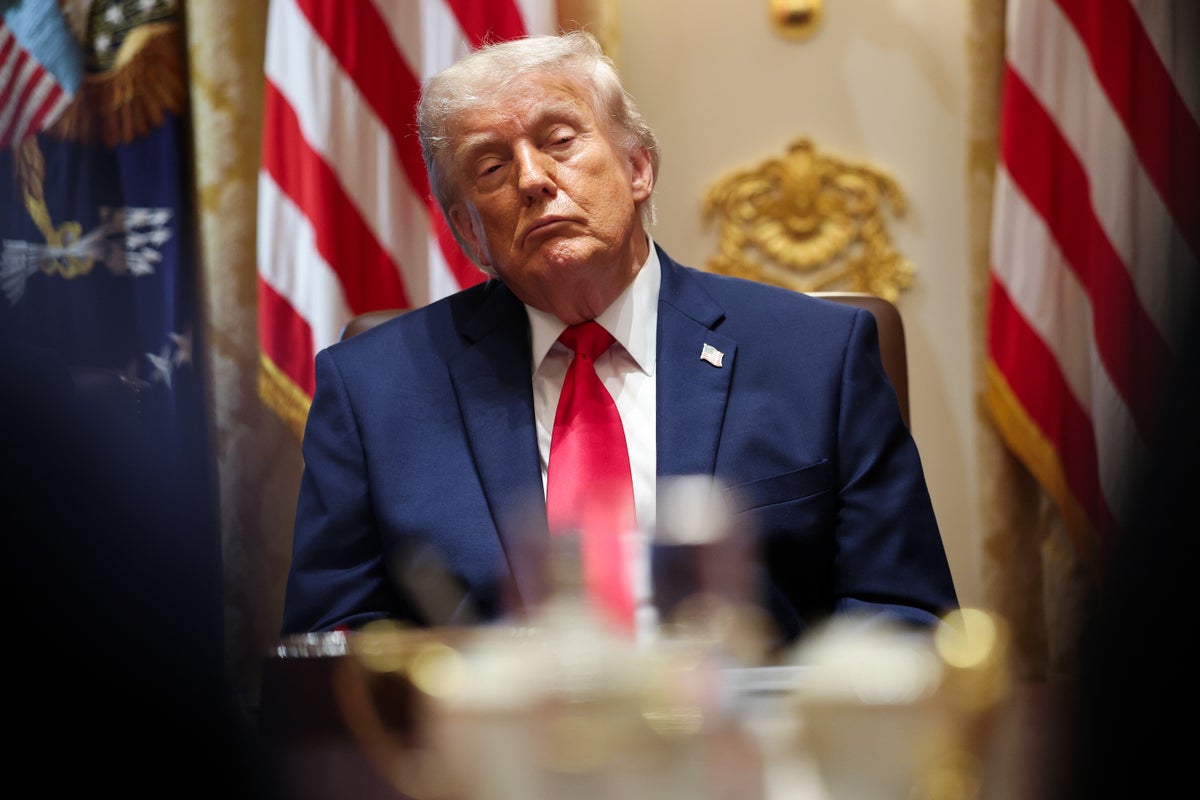
In recent developments, U.S. President Donald Trump concluded a crucial meeting concerning Iran without providing clarity on his decision regarding a proposed agreement with Tehran. This comes at a time when tensions and discussions surrounding the reopening of the Strait of Hormuz are at the forefront.
Trump’s Stance on the Proposed Agreement
During the meeting held in the White House Situation Room, Trump emphasized several demands he expects Iran to meet, including the commitment to never develop nuclear weapons. He stated that Iran must facilitate the reopening of the Strait without imposing tolls on vessels. His statements on social media indicated a push for a return to normalcy, with the potential lifting of the naval blockade affecting shipping in the area. While he has voiced optimism about negotiating a deal, it remains unclear if he will approve the agreement that aims to extend the current ceasefire for an additional 60 days.
The Gravity of Ongoing Negotiations
Despite the intricate, ongoing negotiations, U.S. Defense Secretary Pete Hegseth issued a stark warning indicating that military actions could resume if discussions falter. The toll of the ongoing conflict in the region has been staggering; estimates suggest over 7,000 fatalities and widespread economic disruptions. Moreover, more than a million individuals have been displaced due to the turmoil. This reality poses a significant challenge for the Trump administration, which faces mounting pressure to deliver results in an escalating and complex situation.
Iran’s Reaction to U.S. Claims
In response to the statements made by Trump, Iranian officials have contested parts of the narrative coming from the U.S., labeling the account as a blend of truths and untruths intended to craft a misleading image of success. Iran’s Foreign Ministry has made it clear that no final agreement has been solidified, expressing a strong focus on stopping the war while remaining cautious regarding the discussions surrounding their nuclear program. This stance underlines the intricate balance of diplomacy required amid conflicting objectives from both sides.
Implications of the Ceasefire Agreement
The proposed ceasefire agreement is not merely about halting hostilities; it also seeks to pave the way for extensive negotiations on Iran’s nuclear ambitions. If effective, this agreement could significantly reshape interactions in the region. As the U.S. continues to assert its stance on Iran’s nuclear capabilities, international observers remain glued to the evolving dynamics of these high-stakes discussions.
The seriousness of the situation further underscores the need for sound decision-making. With potential military actions looming and an urgent call for diplomatic solutions, the consequences of missteps could reverberate through global markets and influence international relations for years to come. As the deadline for decision-making approaches, all eyes will remain on Trump and his administration to deliver a resolution that preserves U.S. interests while aiming for a return to stability in a volatile region.