
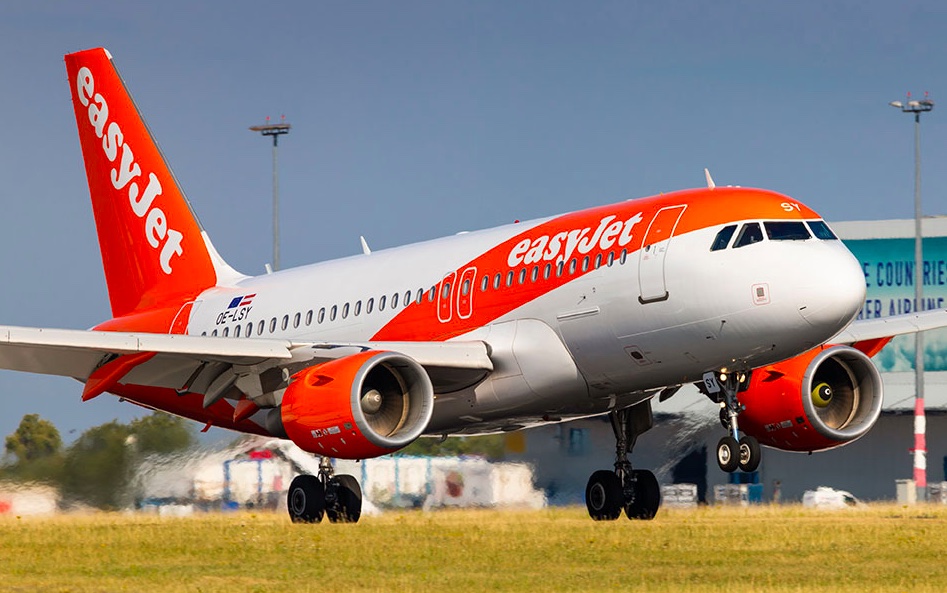
An easyJet flight from Scotland headed to the Egyptian resort of Hurghada encountered unexpected turbulence—not from the weather, but from an unruly passenger. The incident prompted the aircraft to make an unscheduled landing in Crete, showcasing the challenges airlines face with disruptive behavior on flights.
Details of the Incident
On a Friday afternoon, the flight, which took off from Glasgow, was diverted to Hania’s Ioannis Daskalogiannis Airport in Crete. Reports from ERT television indicate that flight attendants were unable to manage the disruptive behavior of one man, leading to the decision to land the plane prematurely. Once on the ground, airport police intervened and detained the passenger, who reportedly resisted their attempts to subdue him.
After dealing with the situation, the easyJet flight continued its journey to Egypt without further incident. This event highlights the increasing prevalence of disruptive behavior on flights, a challenge that airlines and crew members continuously grapple with.
The Growing Issue of In-Flight Disruptions
Airline operational safety is paramount, and incidents like this raise concerns about the wellbeing of passengers and crew members. Disruptions can escalate quickly, endangering the welfare of everyone on board. Flight crews are trained to handle a variety of scenarios, but when faced with aggressive or unruly passengers, the situation can quickly become difficult to manage.
According to aviation authorities, reports of unruly passengers have surged in recent years, particularly as air travel has increased post-pandemic. Factors contributing to this rise include alcohol consumption, personal grievances, and inadequate coping mechanisms during stressful situations. Airlines are now being urged to implement more comprehensive measures to ensure the safety and security of everyone involved in air travel.
Airline Protocols for Handling Unruly Passengers
Airlines have established specific protocols to manage unruly passengers effectively. These protocols often begin with staff training programs to equip flight attendants with the skills needed to de-escalate conflicts. When verbal attempts fail, the crew must make a critical decision about whether to divert the flight—typically a last resort. Such decisions come with significant financial implications for the airline and can also disrupt travel plans for all passengers on board.
In more severe cases, law enforcement is called upon to intervene, as was evident in the easyJet situation. The swift action of airport police in Crete underlines the importance of having contingency plans for unexpected behavior during flights.
Conclusion
The incident involving the easyJet flight serves as a wake-up call for the airline industry. Disruptive behavior not only affects flight schedules but also poses a risk to the safety of all passengers. With increasing reports of similar incidents, airlines must continue to prioritize innovative solutions and aggressive training programs to combat this growing challenge. The goal is to make air travel a safer and more pleasant experience for everyone, ensuring that flights reach their destinations smoothly and without incident.