
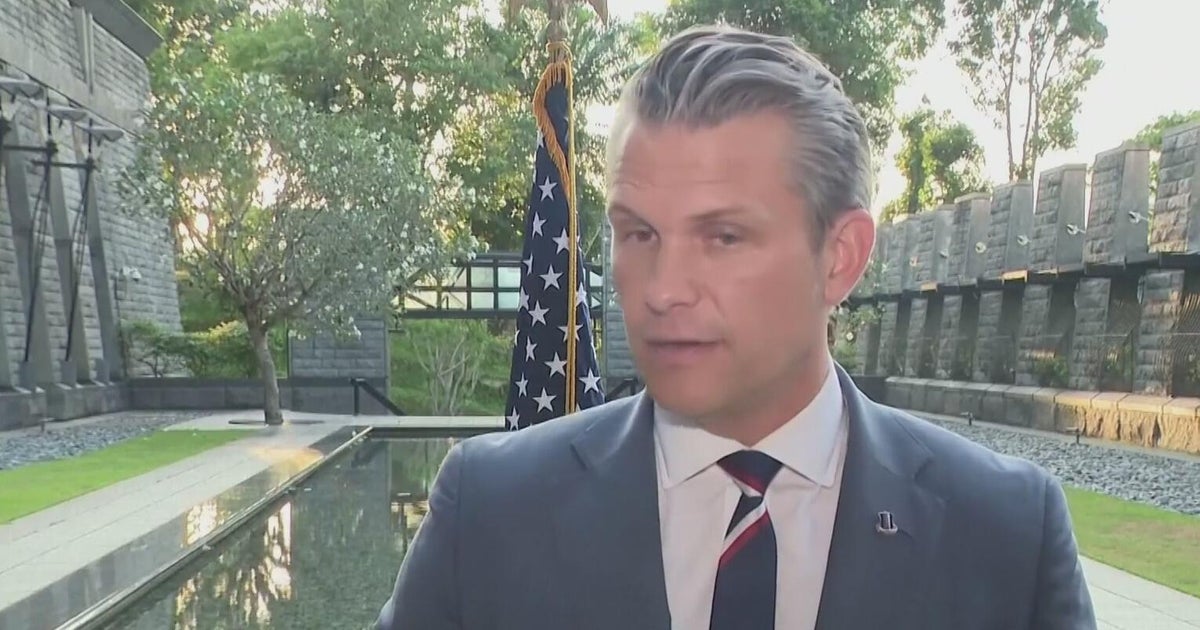
The U.S. defense secretary has indicated that a potential agreement to conclude the conflict with Iran may be imminent. However, the administration remains firm that any such deal must align with American interests. If the terms do not satisfy these criteria, officials are ready to resume hostilities. The government continues to advocate for conditions that will prevent Iran from acquiring nuclear weapons.
Negotiations and U.S. Interests
Recent discussions surrounding a ceasefire with Iran have sparked a mix of hope and caution within U.S. political circles. The defense secretary’s statements suggest that the administration is making progress but emphasizes that America’s security interests remain the priority. The U.S. will only consider a peace accord if it includes robust measures that restrict Iran’s nuclear ambitions. This approach reflects the broader U.S. strategy of ensuring that potential agreements do not compromise national security or regional stability.
Potential Roadblocks in Peace Talks
Despite the optimistic tone from the defense department, significant challenges are likely to arise as negotiations progress. Iran has long pursued its nuclear program, leading to deep mistrust between the two nations. The U.S. demands stringent verification mechanisms that ensure Iran abides by any agreement, while Iran may resist overly restrictive conditions. Both sides must navigate these complexities if they hope to arrive at a mutually acceptable resolution.
The potential for renewed conflict looms large. Should negotiations falter or if Iran’s terms are deemed unacceptable, U.S. officials have signaled their readiness to escalate military actions. The ambiguity surrounding Iran’s nuclear capabilities only heightens these tensions. By demanding strong assurances that Iran will not develop nuclear weapons, the U.S. is determined to mitigate any threats before they can manifest.
The Global Implications of U.S.-Iran Relations
The stakes of U.S.-Iran negotiations are not limited to just the two nations involved. The outcome will resonate on a global scale, affecting relationships with key allies and influencing international stability. Regional partners, including Israel and Gulf states, are closely monitoring the talks, as they have significant concerns regarding Iran’s nuclear ambitions. A shaky agreement could lead to heightened regional tensions, impacting international relations and security frameworks.
Additionally, the U.S. administration’s approach to diplomacy can set precedents for future negotiations with other nations. A well-structured deal that adequately addresses U.S. concerns could serve as a model for future engagements on similar issues. Conversely, a failure to secure a satisfactory agreement could hinder diplomatic efforts and create skepticism in future negotiations.
In summary, the prospect of a peace deal with Iran hangs in the balance, contingent on the protection of U.S. interests. While there seems to be room for progress, the path forward is fraught with challenges. As both sides continue their discussions, the world watches closely, fully aware that the implications of this outcome may extend far beyond just U.S.-Iran relations.