
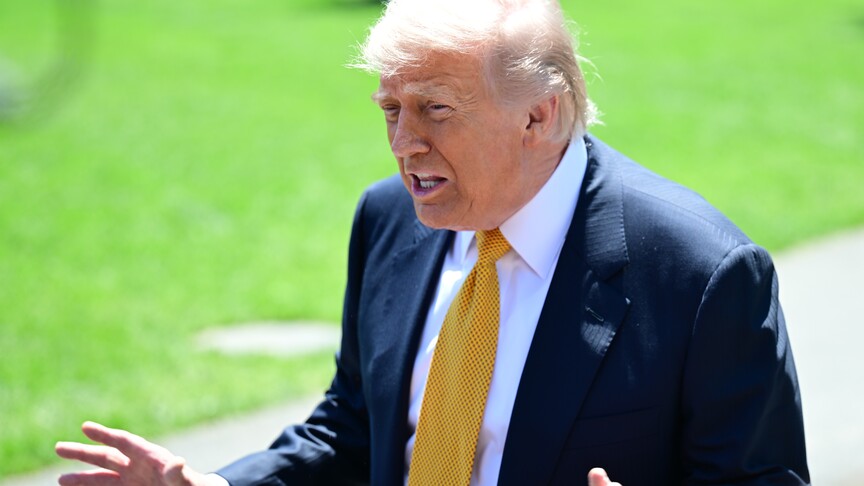
In a recent interview, former President Donald Trump articulated his perspective on U.S. military strategies concerning Iran. Delving into the complexities of past conflicts, he underscored a calculated approach that he believes could prevent further turmoil in the region.
Trump’s Stance on Military Engagement
During the interview, Trump emphasized that the United States deliberately chose not to target Iran’s military during ongoing tensions. He argued that previous wars have demonstrated the perils of dismantling a nation’s fundamental institutions and armed forces. “We left the military alone,” he said, while confirming that strikes were executed on other leaders within Iran’s political framework. This strategy, according to Trump, was intended to avoid the mistakes that have historically led to prolonged instability in affected nations.
Lessons from Iraq
Trump cited Iraq as a profound example of a failed U.S. intervention, highlighting the long-lasting consequences of military overreach. He described the U.S. approach in Iraq as “foolish,” reflecting on how the aftermath has resulted in enduring chaos and suffering for its people. Trump’s remarks suggest a desire to learn from past errors, advocating for a more measured tactic when dealing with countries in conflict.
Nuclear Negotiations with Iran
In the context of discussions about Iran’s nuclear capabilities, Trump reiterated his stance from last June, claiming that U.S. military action had hindered Iran from developing nuclear weapons. He conveyed that he is not in a rush to finalize a deal with Tehran, promoting the idea that patience can yield better negotiations. “If you are in a hurry, you won’t make a good deal,” he explained, indicating that a beneficial agreement would be on the horizon without haste.
Assurances and Future Strategies
Trump insisted that any future agreement must include a concrete guarantee against Iranian nuclear armament. “The one guarantee that I have to have is that there will be no nuclear weapons,” he stated. While he asserted that Iran has agreed to these terms, official Iranian acknowledgment remains unconfirmed. Despite ongoing dialogues, Trump conveyed a commitment to reevaluating strategies should negotiations not align with U.S. interests, suggesting that alternative measures could be implemented if needed.
In summary, Trump’s reflections on military operations and negotiations with Iran highlight a blend of caution and strategic ambition. By learning from historical missteps, he hopes to navigate the complicated terrain of international relations more effectively moving forward.