
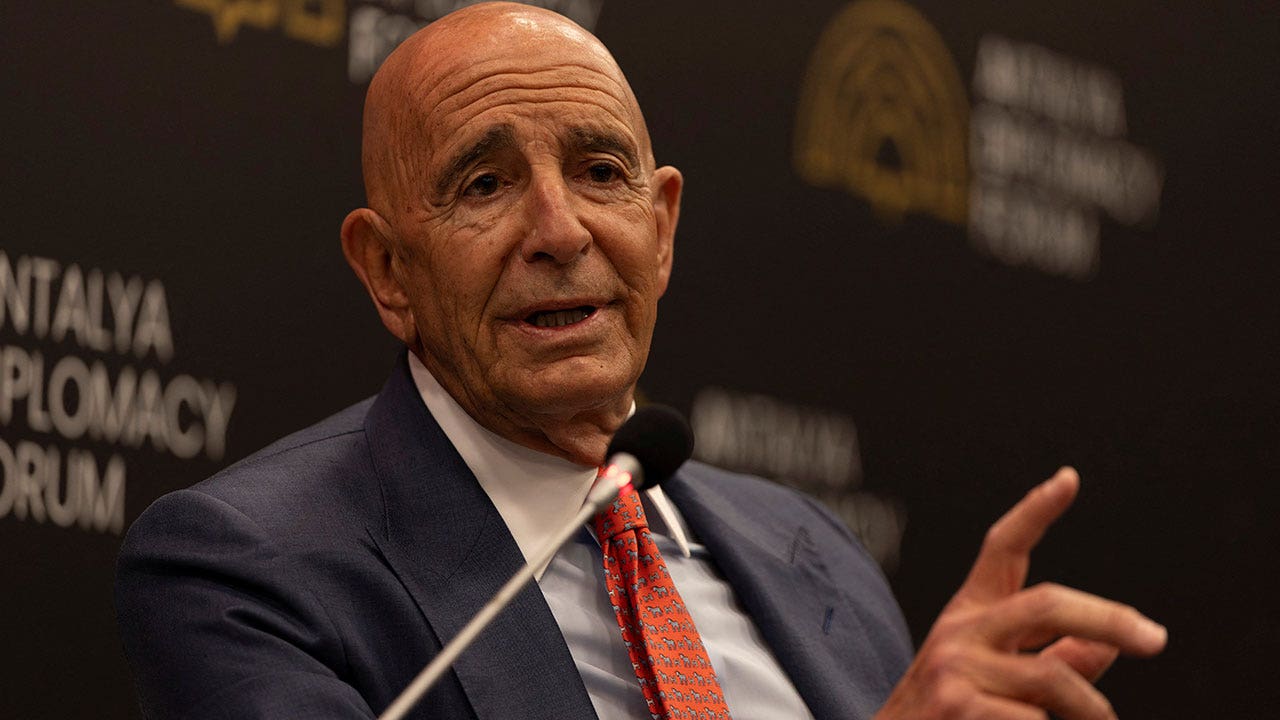
U.S. Ambassador to Turkey Tom Barrack has been appointed as the Special Envoy to Syria and Iraq by President Donald Trump, aimed at fostering enduring peace in the Middle East. This new assignment highlights the Trump administration’s strategic approach to managing relationships in the region, especially concerning Iran’s influence and ongoing military conflicts.
Strengthening Ties in the Region
In a recent announcement on Truth Social, Trump expressed his satisfaction with Barrack’s work and confirmed that he will retain his position as Ambassador to Turkey while also taking on these new responsibilities. The U.S. Department of State will support Barrack’s initiatives as he endeavors to promote cooperation with both Syria and Iraq. The diplomatic landscape has shifted dramatically in recent years, with Syria engaging in a peace dialogue with both the Trump administration and Israel, largely influenced by Turkey’s position as a regional leader.
Navigating Complex Geopolitical Tensions
Barrack’s expanded role comes amidst a backdrop of intense negotiations between the U.S. and Iran. Recent reports indicate that Tehran’s Revolutionary Guards have intensified attacks against separatist factions in northern Iraq, raising concerns about the potential destabilization of the area. With his unique positioning, Barrack will address several critical challenges: U.S. involvement in Syria, the political situation in Iraq, and Turkey’s influence as a power broker—all while managing the complicated dynamics stemming from U.S.-Iran tensions.
U.S. strategy in the region remains focused on preventing Iran from acquiring nuclear capabilities and ensuring the security of vital maritime routes, such as the Strait of Hormuz. This vital chokepoint is crucial for global energy trade, making stability here a top priority for the Trump administration. By facilitating discussions and negotiations, Barrack is expected to help create frameworks that address these critical national security issues.
Implications for U.S. Foreign Policy
Trump’s push for an agreement with Iran has been careful and calculated. He has made it clear that the U.S. is not rushing into any new deals while reiterating that military action remains an option should negotiations falter. This approach emphasizes the importance of tough terms regarding Iran’s nuclear ambitions, reflecting the administration’s wider objectives in the Middle East. Additionally, recent developments in northern Iraq highlight the complexities involved in maintaining stability, given the incessant clashes between Iranian forces and Kurdish opposition groups.
Furthermore, as a trusted ally of Trump, Barrack’s extensive experience in business and diplomacy will play a critical role in managing U.S. relations with these strategically important nations. The administration’s efforts to engage with a variety of stakeholders will be crucial for navigating the multilayered conflicts prevalent in the region.
In summary, Tom Barrack’s appointment to oversee U.S. interests in Syria and Iraq is a strategic move intended to strengthen American influence and promote lasting peace. The complexities of regional dynamics, especially surrounding Iranian actions and U.S. diplomatic efforts, will require a nuanced approach. With his direct involvement, the hope is to achieve stability in an area that has historically been fraught with turmoil, while safeguarding key U.S. interests.