
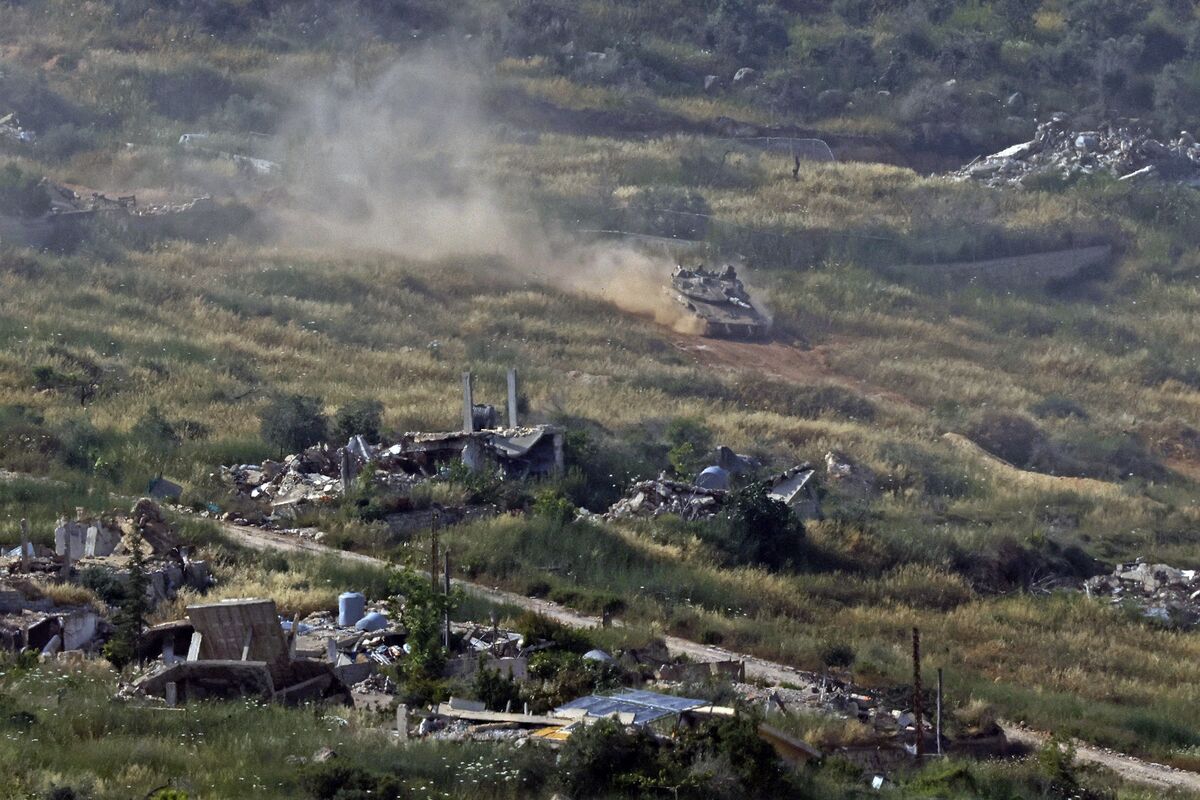
The tense exchange between the United States and Iran reveals ongoing discussions aimed at extending a ceasefire and ensuring the Strait of Hormuz remains open for vital shipping routes. Over the weekend, both nations communicated their preferences regarding a draft agreement, though the prospects for significant advancements seem uncertain.
Ceasefire Agreements and Regional Stability
The intention behind the proposed ceasefire is to bolster regional stability amidst rising geopolitical tensions. With the Strait of Hormuz being a crucial chokepoint for oil shipments, any disruption could have far-reaching implications, not just for the economies of the involved nations but for global oil prices as well. The ongoing conflict has spurred concerns about safety in international waters, prompting both the U.S. and Iran to reconsider their positions. However, clear signs of progress remain elusive.
Negotiation Challenges Ahead
Despite attempts at constructive dialogue, multiple factors complicate the negotiation process. Historical grievances and differing political objectives serve as major obstacles. Each side appears to have specific demands that may not align, making compromise difficult. The U.S., for instance, has expressed concerns regarding Iran’s military activities and nuclear ambitions, while Iran insists on its right to maintain its interests within the region. This fundamental disconnect raises doubts about whether a resolution can be reached in the near term.
The Importance of the Strait of Hormuz
The significance of the Strait of Hormuz cannot be understated—it serves as a critical transit point for approximately one-fifth of the world’s oil supply. In today’s interconnected economy, any disruptions in this area could provoke substantial repercussions worldwide. Hence, any agreements that aim to secure peace and maintain open navigation channels are vital not only for immediate local stability but also for broader economic well-being.
Looking Ahead: Potential Outcomes
As discussions continue, the outlook remains uncertain. Diplomatic efforts may lead to a temporary truce, but whether it will evolve into a lasting peace is questionable. The balancing act of maintaining national interests while fostering international relations will be crucial in determining the path forward. The U.S. and Iran find themselves at a crossroads—one where successful negotiation could pave the way for improved relations, while failure might intensify existing hostilities.
In summary, the ongoing interactions between the U.S. and Iran reflect a complex tapestry of challenges and opportunities. Both nations are tasked with navigating not just their own national interests but also the wider implications for international commerce and security. The coming days will be pivotal in determining whether they can find common ground or if misunderstandings will further escalate tensions in an already volatile region.