
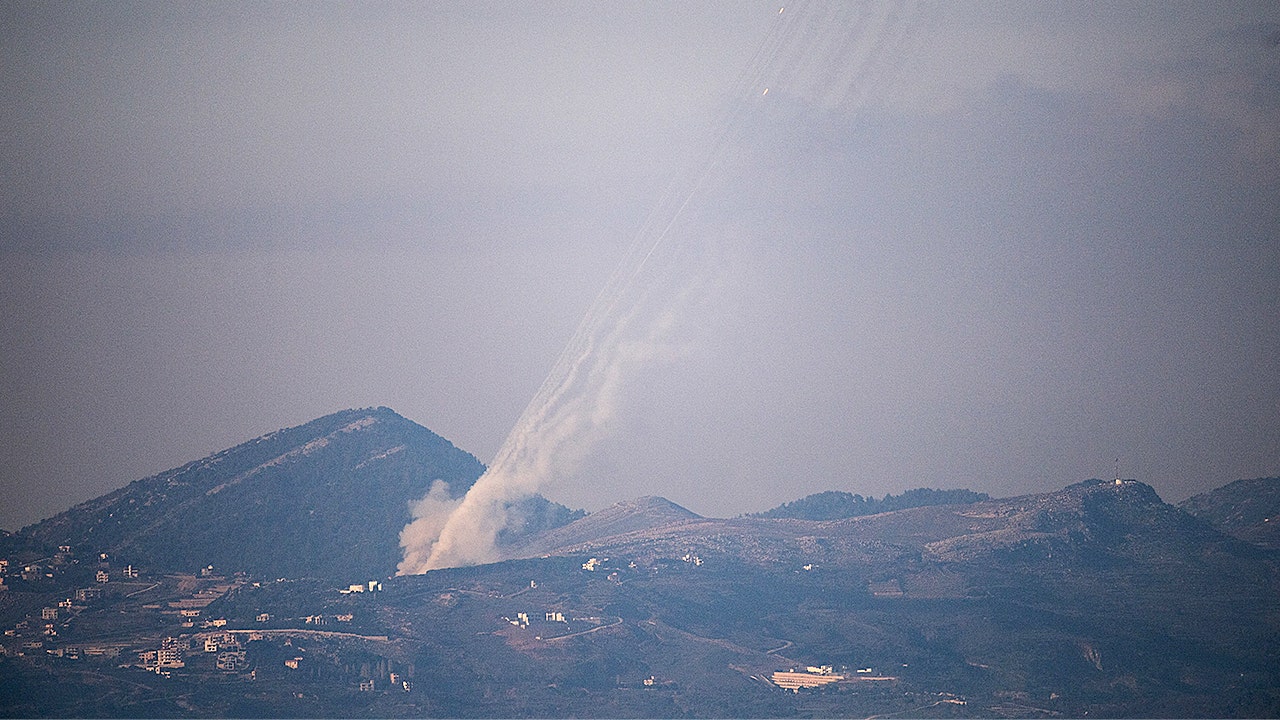
Hezbollah has escalated its military operations, launching a series of powerful nighttime drone attacks against Israel that are being described as “game-changing.” This new tactic has resulted in significant casualties and heightened tensions in the border area. As experts underline the risks associated with these drone strikes, Israel’s Prime Minister Benjamin Netanyahu has called for an emergency security meeting to address the situation.
Hezbollah’s Drastic Shift in Tactics
The use of drones enables Hezbollah to conduct targeted strikes at night, a capability that was previously lacking in the ongoing conflict with Israel. According to defense analyst Cameron Chell, these drones fall into the small Category 1 and Category 2 classifications, typically used for tactical missions and surveillance operations on the battlefield. Their night-flying abilities allow Hezbollah to exploit thermal sensors to detect the movements of Israeli Defense Forces (IDF), complicating Israel’s military response.
Reports indicate that the IDF was caught off guard by the scale and sophistication of Hezbollah’s coordinated drone attacks. Chell emphasizes that the implementation of nighttime capabilities represents a considerable shift in the tactics being employed by both sides. The presence of drones adds a new layer of complexity and unpredictability to the conflict, marking a significant evolution in modern warfare.
Israeli Countermeasures and Tactical Adaptations
In response to this new threat, Israeli forces have been forced to adapt their operational strategies significantly. Reports suggest that soldiers have started using commercial fishing and soccer nets as makeshift defenses against incoming drones. Chell points out that the IDF must now consider various countermeasures ranging from electronic jamming to netting, aimed at mitigating the impact of drone strikes.
Furthermore, the IDF may need to rethink its relocation and operational procedures at night. The ability of Hezbollah to conduct aerial surveillance poses serious challenges for Israeli troops, who must be increasingly cautious in their maneuvers. Chell’s insights suggest that adapting to these changing dynamics will require a comprehensive reassessment of military tactics.
Hezbollah’s Advancements and Threats
The surge in Hezbollah’s drone capabilities has provoked serious concerns among Israeli officials. Netanyahu has classified these advancements as a looming threat that complicates detection and response efforts. Hezbollah’s leader, Naim Qassem, has openly acknowledged their drone operations as a strategic asset in countering Israeli forces, asserting that such technology enhances their combat effectiveness.
Chell notes that while Hezbollah employs existing technology and tactics, the critical factor lies in their ability to maintain a steady supply chain of drones and related equipment. This supply appears to be bolstered by support from external allies or the black market, raising alarms about the implications of cross-border weapon transfers.
As the situation continues to unfold, the potential for further escalation remains high, with both sides enduring the weight of a dangerous military standoff. Hezbollah’s innovative approach to asymmetric warfare could change the course of the conflict, necessitating ongoing vigilance and adaptability from Israeli forces. The heightened tensions call for international attention and diplomatic efforts aimed at de-escalating the hostilities in this complex region.