
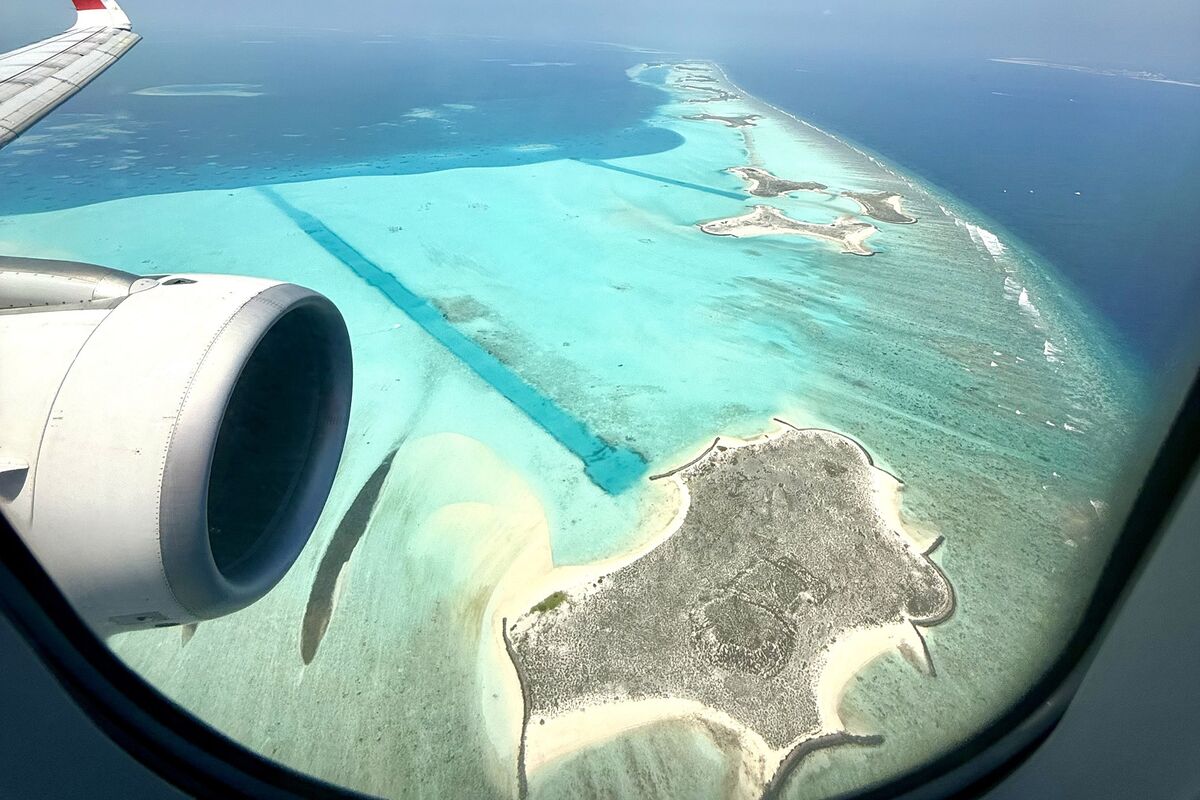
The hospitality industry in the Maldives and various island nations has faced a significant downturn due to the decline in visitors reliant on Gulf airlines. As these carriers have navigated challenges stemming from global events, the repercussions have rippled through tourism hotspots, reshaping the economic landscape for many island economies.
Impact of Gulf Airlines on Island Tourism
Gulf airlines like Emirates, Qatar Airways, and Etihad have long been instrumental in bringing tourists to the Maldives and other island destinations. Their extensive networks and competitive pricing have made it easier for travelers from Europe, Asia, and the Americas to reach these picturesque locations. However, recent disruptions in flight availability, changes in travel regulations, and evolving consumer preferences have led to a sharp reduction in inbound flights. With fewer travelers flying in, businesses ranging from hotels to local artisans are feeling the strain.
Struggling Local Economies
The decline in visitor numbers has had dire consequences for the local economies of the Maldives and neighboring island nations. Tourism is often the backbone of these economies, providing employment and livelihood to countless residents. With hotel occupancy rates plummeting, many establishments have had to shutter their doors or reduce staff. This not only affects job security for locals but also diminishes the overall economic stability of these regions. As tourism revenue declines, governments may struggle to maintain public services and infrastructure essential for residents and remaining visitors.
Adaptation Strategies for Recovery
In light of these challenges, stakeholders in the tourism sector are exploring innovative strategies to adapt and recover. Emphasizing domestic tourism has become a key focus, encouraging locals to vacation within their own borders. Promotional campaigns to attract alternative markets, such as wellness tourism or eco-tourism, are also gaining traction. By diversifying their offerings, many island nations aim to create a more resilient tourism model that reduces dependency on any single source of visitors.
Future Outlook for Island Nations
Although the current situation poses significant challenges, there remains hope for a revival. As global conditions improve and travel restrictions ease, there is potential for a resurgence in tourism. Gulf airlines and other carriers are likely to restore routes and adapt their services to accommodate the evolving demands of travelers. By prioritizing safety and sustainability, these islands can not only recover but also build a more robust tourism sector for the future.
In conclusion, while the decrease in visitors reliant on Gulf airlines has created immediate challenges for the Maldives and other island nations, it also presents opportunities for innovation and growth. Stakeholders must come together to adapt, diversify, and enhance their tourism offerings to ensure long-term resilience and stability in an ever-changing global environment. The path to recovery may be daunting, but with strategic planning and collaboration, the tourism industry can once again thrive.