
Tensions between the United States and Iran have escalated significantly, particularly around the strategic Strait of Hormuz. This narrow waterway is crucial not only for military strategy but also for global oil transportation. Understanding the implications of these recent military confrontations is essential for grasping the larger geopolitical landscape involving both nations.
The Role of the Strait of Hormuz
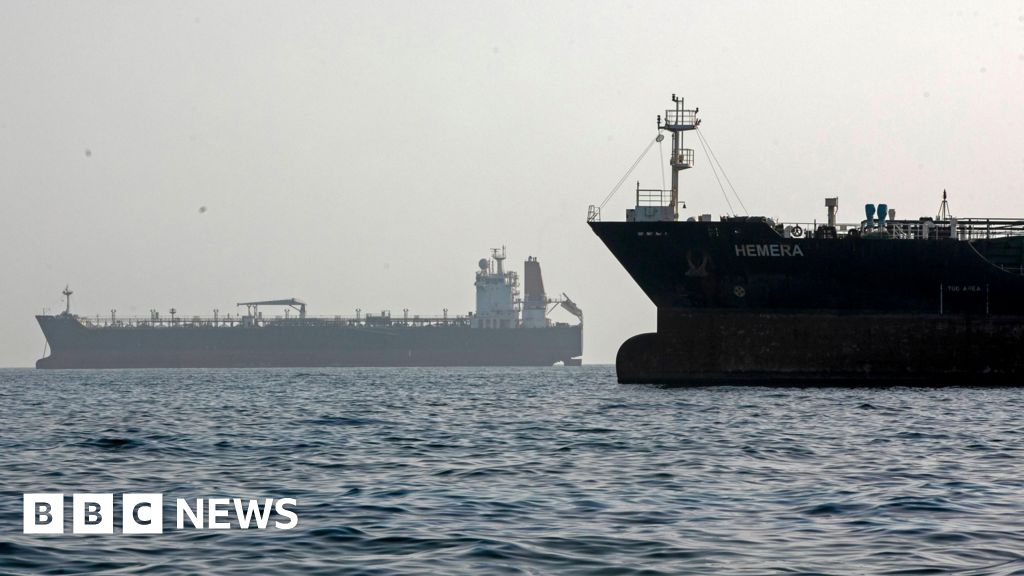
The Strait of Hormuz holds immense importance for global trade, as it serves as a passage for approximately 20% of the world’s oil supply. Both Washington and Tehran have recognized this vital corridor’s strategic significance, leading to a series of military confrontations involving their respective armed forces. The narrow strait, only about 21 miles wide at its narrowest point, has become an epicenter for escalating military posturing, hampering free navigation and instilling a climate of unease in international waters.
Recent Military Engagements
In ongoing developments, military facilities have been targeted on both sides, signaling an alarming rise in hostilities. U.S. forces have reportedly been involved in defensive maneuvers aimed at protecting shipping interests, while Iranian operatives have been accused of conducting aggressive actions against vessels they deem threatening. These episodes have triggered heightened alert status among navies patrolling the region, leading to a situation rife with potential for miscalculation and further conflict.
The Broader Geopolitical Implications
The repercussions of these confrontations reach far beyond the Strait of Hormuz. They play a substantial role in shaping international diplomatic relations, particularly between the U.S. and its allies in the Middle East. With rising oil prices and energy security always a pressing issue, any disruption in this key maritime route can lead to far-reaching economic consequences. Increased military activity and hostility not only threaten maritime navigation but also elevate the risk of a broader conflict that could embroil other nations.
The Path Forward
For all parties involved, de-escalation should be a priority. Diplomatic channels must remain open to prevent misinterpretations and unintentional entanglement in conflict. Countries reliant on the robust flow of oil through the Strait of Hormuz are particularly invested in establishing communication frameworks that can mitigate tensions. Finding a balance between military readiness and diplomatic relations is crucial for ensuring stability in the region.
In conclusion, as military action increases around the Strait of Hormuz, careful consideration of the consequences is vital. With potential for widespread economic fallout and global energy insecurity, it is imperative that both the U.S. and Iran seek pathways to peace. The decisions made in these critical moments will have implications that extend far beyond this narrow maritime corridor.