
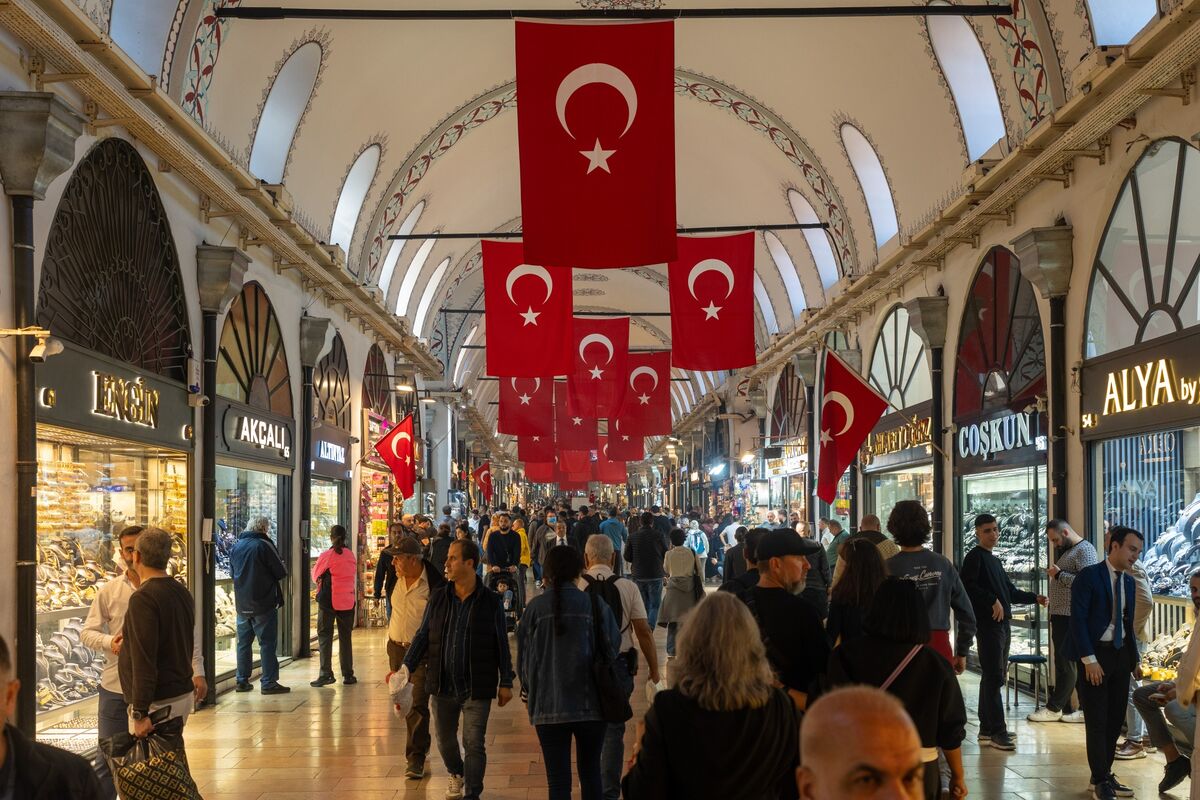
Turkey’s economy has revealed a slower growth rate than anticipated in the first quarter, underlining the impact that the ongoing conflict in Iran is having on economic activities within the country. This situation raises concerns around various sectors and prompts discussions on future strategies to stimulate growth.
Impact of the Ongoing Conflict
The ongoing war in Iran has ripple effects that extend into neighboring countries, particularly Turkey. The geopolitical tensions translate into disruptions in trade, investment, and overall economic stability. Analysts observe that these external factors can dampen the economic prospects for Turkey, leading to fluctuations in key indicators such as consumer confidence, export performance, and foreign direct investment.
Domestic Economic Challenges
In addition to external pressures, Turkey faces several internal challenges that contribute to its economic sluggishness. Inflation, which has been a persistent issue, erodes purchasing power and diminishes consumer spending. Moreover, high-interest rates have made borrowing costly, discouraging businesses from investing in expansion projects. With a population that heavily relies on stable economic conditions, these mounting pressures can stifle growth opportunities across various sectors.
Future Prospects and Strategies
Looking ahead, Turkey’s policymakers face the daunting task of navigating both internal and external hurdles to spur economic growth. Strategic initiatives may include diversifying trade partnerships to mitigate reliance on volatile regions, enhancing domestic production capabilities, and fostering an environment that encourages innovation. Engaging with global markets while boosting local industries could create a more resilient economy less susceptible to external shocks.
The Role of Government Policy
Government involvement will be crucial in shaping Turkey’s economic landscape. Policies that aim to provide fiscal stimulus, improve infrastructure, and attract foreign investment will play an essential role in revitalizing the economy. Additionally, fostering an environment conducive to entrepreneurship and small business growth could help spur job creation and bolster overall economic activity.
In summary, Turkey’s economy is grappling with slower-than-expected growth, influenced markedly by the conflict in Iran. Addressing internal challenges such as inflation and high borrowing costs, as well as implementing forward-thinking government policies, will be vital for a sustainable recovery. The strategic responses to both domestic and global conditions will determine the health and growth trajectory of Turkey’s economy in the coming years.