
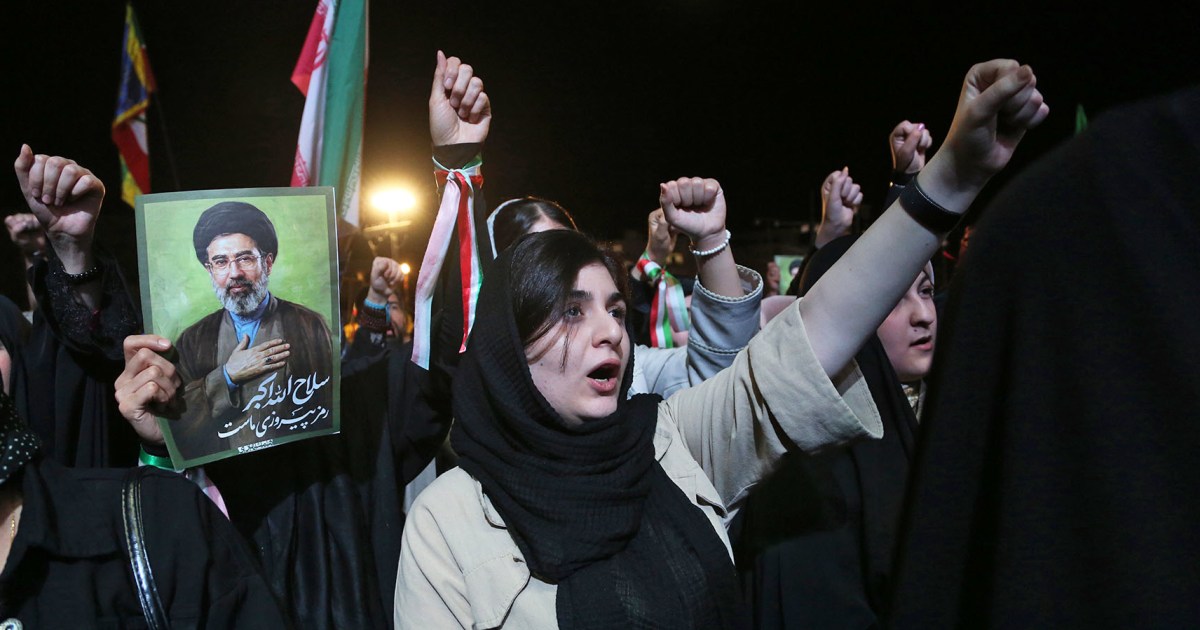
In recent news, tensions are rising as the U.S. and Iran engage in mutual attacks amidst a ceasefire agreement, while Democratic incumbents may face strong challenges in upcoming elections. Additionally, a troubling trend is emerging for cash-paying shoppers, who are increasingly burdened by rising credit card fees that are overshadowing their payment methods.
Escalation Between U.S. and Iran
The U.S. military recently reported that it conducted self-defense strikes against Iranian radar and drone control sites. This action comes in response to aggressive maneuvers by Iran, which included shooting down an American drone operating in international waters. The strikes were characterized as necessary measures to protect U.S. interests in the region.
Conversely, Iran has announced its own attacks, claiming that it targeted a U.S. air base in retaliation. Iranian officials have warned that any continued American aggression will elicit a completely different reaction, emphasizing the dangerous path both nations are on. U.S. Central Command has made it clear that these recent actions reflect growing Iranian belligerence and are taken to ensure the safety of American assets.
Primary Challenges for Democratic Incumbents
As primary season heats up, several Democratic House members are beginning to face formidable challengers. Incumbents such as Reps. Mike Thompson and Brad Sherman in California are encountering energetic candidates advocating for generational change. This trend hints at a potential shift within the party, as younger voices seek to unseat long-standing representatives.
Reports indicate that about a dozen other incumbents across various states are also at risk, particularly from the progressive wing of the Democratic Party. This internal conflict signifies a larger ideological struggle between traditional establishment members and those advocating for more progressive policies, setting the stage for a potentially transformative election cycle.
Credit Card Fees Burden Cash-Paying Shoppers
A growing concern is emerging regarding credit card fees that disproportionately impact shoppers who prefer cash transactions. For instance, many gas station owners report that their credit card fees have exceeded their rent, complicating their ability to maintain low prices for consumers. The escalating costs linked to credit card transactions often flow down to consumers, resulting in higher prices for everyone.
Those who benefit from credit card rewards—like cash-back incentives—find ways to offset these increases, while cash and debit users disproportionately bear the financial weight. A study from Harvard estimated that this dynamic results in a staggering $30 billion wealth transfer, highlighting a growing inequality in the payment landscape.
In summary, the U.S.-Iran situation is showing no signs of de-escalation, potentially leading to further military confrontations. Concurrently, American Democrats are facing significant primary challenges, which could reshape the landscape of congressional power in the coming elections. Lastly, the ongoing debate over credit card fees emphasizes the financial pressures that many cash-paying consumers face in today’s economy.