
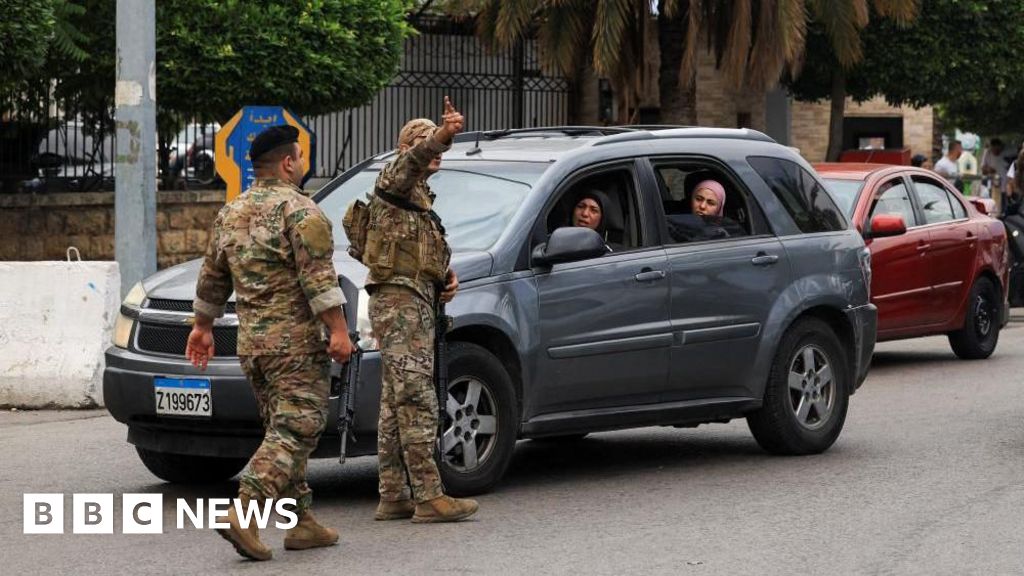
The recent military actions in Beirut by the Israeli forces have raised significant concerns since the ceasefire between Israel and Lebanon commenced on April 16. This decrease in military engagement, particularly following two specific strikes in Beirut, appears to be influenced by diplomatic pressures aimed at achieving a wider peace agreement.
Recent Strikes by the Israeli Military
Since the ceasefire began, the Israeli military has conducted two notable strikes in Beirut, including the most recent one on Thursday. While these actions indicate a continuation of hostilities, they also suggest a strategic pivot. The reduction in frequency of these strikes represents a significant change compared to prior military activities. This shift may be linked to international diplomatic efforts aimed at de-escalating tensions in the region.
Influence of the United States
It has been reported that the White House is actively encouraging Israel to scale back its military operations in Beirut. This pressure stems from a desire to safeguard ongoing negotiations that aim to establish a more comprehensive peace deal involving the United States, Israel, and Iran. The geopolitical landscape in the Middle East is complex, and any military action could complicate negotiations that many hope will lead to a lasting resolution.
The Broader Implications of Military Action
The military strikes in Beirut, even when reduced, hold significant implications for the region’s stability. Continuous military operations have the potential to escalate tensions not just between Israel and Lebanon but across the entire Middle Eastern landscape. A failure to adhere to the ceasefire could derail diplomatic efforts, resulting in further violence and destruction. As the situation evolves, it becomes increasingly necessary for all parties to exercise restraint and engage in constructive dialogue.
The Path Forward
As discussions continue, the focus must be on fostering an environment conducive to peace. The international community is watching closely, and the actions taken by both Israel and Lebanon will undoubtedly affect not only their bilateral relations but also the broader geopolitical dynamics. It is essential for leaders to prioritize diplomatic resolutions over military engagements, particularly given the potential for widespread ramifications.
The recent strikes in Beirut, although fewer in number, signify the delicate balance that exists between military strategy and diplomacy in times of conflict. Continued dialogue and a commitment to ceasefire agreements will be crucial in navigating the turbulent waters of Middle Eastern politics. All eyes remain on the actors involved, and any misstep could have far-reaching consequences.