
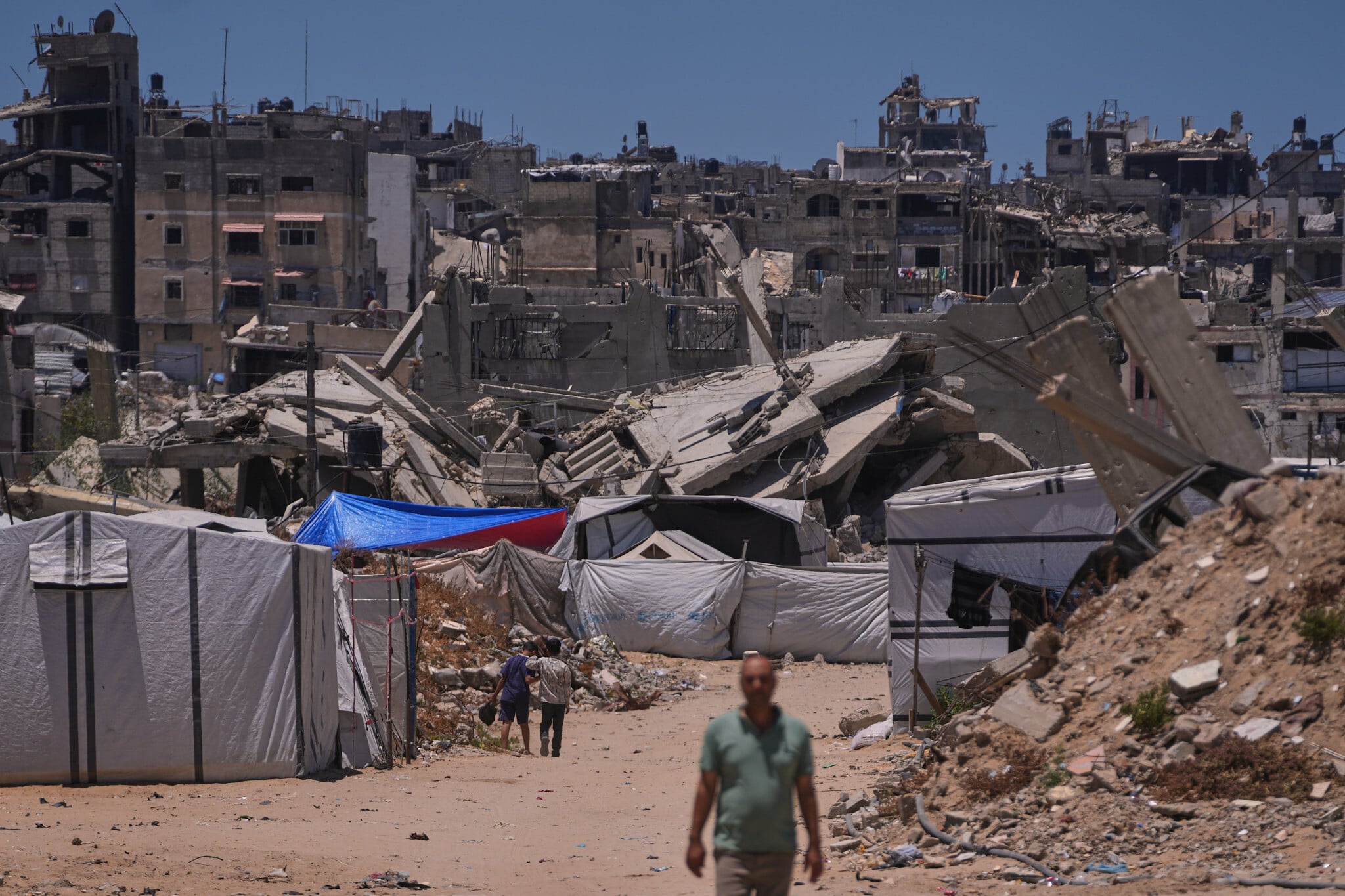
Mediators seeking to resolve the ongoing conflict in Gaza are set to reconvene in Egypt to discuss disarmament negotiations with Hamas. As reports indicate, these discussions are largely stalled, primarily due to Hamas’s refusal to accept disarmament proposals unless Israel adheres to its commitments from the initial phase of ceasefire negotiations. The complexity of these talks underscores the challenges facing peace initiatives in the region.
Stalled Negotiations and Accusations
Both Israel and Hamas have levied accusations against each other regarding repeated violations of the ceasefire, which ended a two-year period of intense conflict. Hamas stands firm against disarmament, claiming that Israel must first comply with previously agreed terms. Meanwhile, Israel has continued its military operations in Gaza, allegedly targeting imminent threats to its security. This exacerbates the already tense atmosphere, making meaningful negotiations increasingly challenging.
Alternative Approaches to Peace
The Board of Peace, an international panel overseeing Gaza’s post-war management, is contemplating alternatives to former President Donald Trump’s 20-point plan, which has shown little promise. One notable alternative entails initiating reconstruction efforts in areas of Gaza that are still under Israeli occupation. While originally envisioned to include around 53% of Gaza, this territory has reportedly expanded to 70%, effectively confining nearly 2 million Palestinians, many of whom are living in makeshift shelters.
The proposed alternative aims to incentivize Palestinians to relocate outside Hamas-dominated areas by offering temporary housing. However, this plan raises questions about its feasibility, particularly regarding whether Palestinians would be willing to live under ongoing Israeli control, and how Hamas might react to such movements.
Leadership Dynamics in Hamas
An additional layer complicating discussions is the ongoing leadership elections within Hamas, a process that is shrouded in opacity. Leaders have argued that no significant decisions regarding disarmament can be made until a new head is chosen. The competition appears to be tight, primarily between Khalil al-Hayya, who is closely associated with Gaza, and Khaled Mashaal, who has stronger ties to Qatar. Despite their hardline stances, Mashaal is often viewed as more open to pragmatic solutions that could ensure Hamas’s sustainability as a political entity.
The National Committee for the Administration of Gaza (NCAG), deemed vital for managing civil affairs, has yet to take significant action in the region, as resolutions on disarmament remain a priority for international mediators.
Consequences of Inaction and Future Outlook
Warnings from the Board of Peace highlight serious consequences if Hamas fails to disarm, noting that a continued refusal could reignite warfare. Furthermore, their recent statements suggest that Israel might not be required to curtail its military actions or facilitate humanitarian aid into Gaza should negotiations break down. This climate of uncertainty poses dire implications for the civilian population caught in the crossfire.
In summary, as mediators prepare to resume talks in Egypt, the outlook for peace remains fraught with obstacles. The lack of mutual trust, ongoing military actions, and Hamas’s internal dynamics further complicate efforts to build a sustainable peace framework. With international actors exploring alternative solutions, the path ahead must navigate these complexities to create a lasting resolution.