
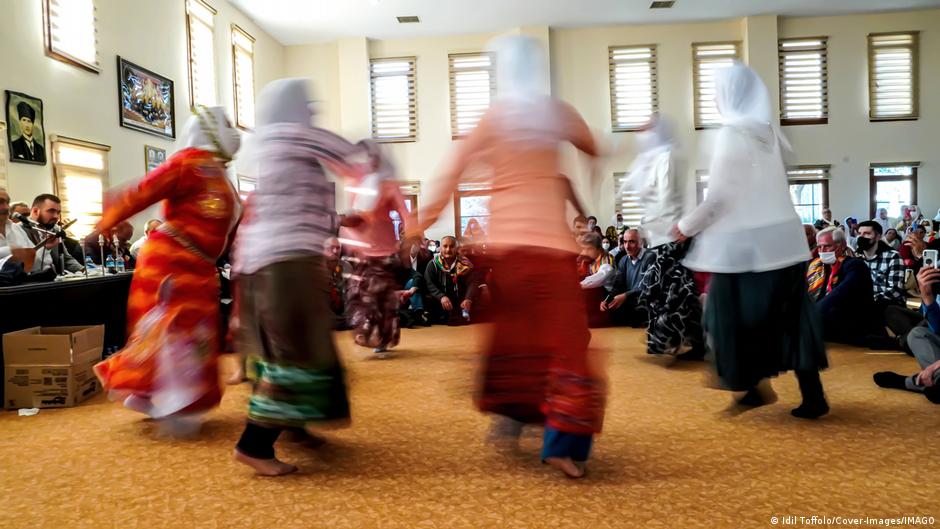
Alevis constitute approximately 13% of the Muslim population in Germany today. This unique community, originally rooted in rural Anatolia, Turkey, has seen significant transformation over the decades as members migrated and adapted to urban environments. The Alevi faith, with its rich history, has faced challenges that have shaped its identity both in Turkey and abroad, particularly in Germany.
A Historical Context of Alevism
Originating in the 13th century, Alevism is the second largest religious sect in Turkey, following Sunni Islam. Members of this community encompass various ethnic backgrounds, including Turks, Kurds, and Zaza among others. The faith integrates elements from Central Asian shamanism, Shiite Islam, and mysticism while emphasizing a commitment to ethical teachings. Critical figures in Alevi belief include the Prophet Muhammad and his cousin Ali, the first Imam, whose veneration plays a central role in their practices.
Alevis practice their faith primarily in cemevi, dedicated spaces for worship, where they uphold values like humanism and equality. Their rituals differ notably from those of Sunni Islam, incorporating unique ceremonies such as Cem and Semah, which involve communal participation and expressive dancing. These differences have historically subjected Alevis to persecution, particularly during the Ottoman era, which laid the groundwork for ongoing discrimination they face in modern Turkey.
The Transition into Germany
The 1990s marked a pivotal point for the Alevi community, particularly after tragic events like the Sivas arson attack, which killed 35 individuals. This catastrophe acted as a catalyst for stronger Alevi self-organization, resulting in the formation of numerous political associations in both Turkey and Germany. Cities such as Hamburg, Cologne, and Berlin have become significant hubs for Alevi migrants.
Currently, around 200 Alevi organizations exist in Germany, the most prominent of which is the Alevi Community Germany (AABF). This body is officially recognized in several German states, including North Rhine-Westphalia and Berlin, allowing for both rights and responsibilities. Institutions like the Alevi-Bektashite Cultural Institute actively work to preserve and promote Alevi culture, providing a space for the community to engage with their heritage.
Preservation Efforts and Community Needs
Gülizar Cengiz, a significant figure in the Alevi-Bektashi Cultural Institute, advocates for the importance of knowledge in preserving Alevi culture. Cengiz reflects on the tragic loss of historical documents, emphasizing the community’s past fear of persecution. Her organization aims to create an extensive archive of manuscripts, audio, and video recordings that encapsulate Alevi rites and traditions.
Meanwhile, academic institutions play a crucial role in the revitalization of Alevi studies. At the helm is Cem Kara, a professor at the University of Hamburg, who is leading efforts to educate future teachers and promote understanding of Alevi theology. His Institute for Alevi Theology, one of the first of its kind, has already begun making strides in this field, fostering interdenominational education.
Dressler, a prominent researcher, underscores the necessity for a thorough understanding of Alevi history. His ongoing project aims to compile diverse historical data to reshape narratives surrounding Alevi oppression. By examining factors such as regional differences and historical context, researchers can provide more nuanced insights into Alevi experiences, contributing to broader conversations about discrimination and resilience.
In conclusion, the Alevi community’s survival and development in Germany showcases the ongoing commitment to preserving their cultural identity amidst adversity. Through educational initiatives and dedicated organizations, the Alevi faith continues to thrive, ensuring that its rich heritage endures for generations to come.