
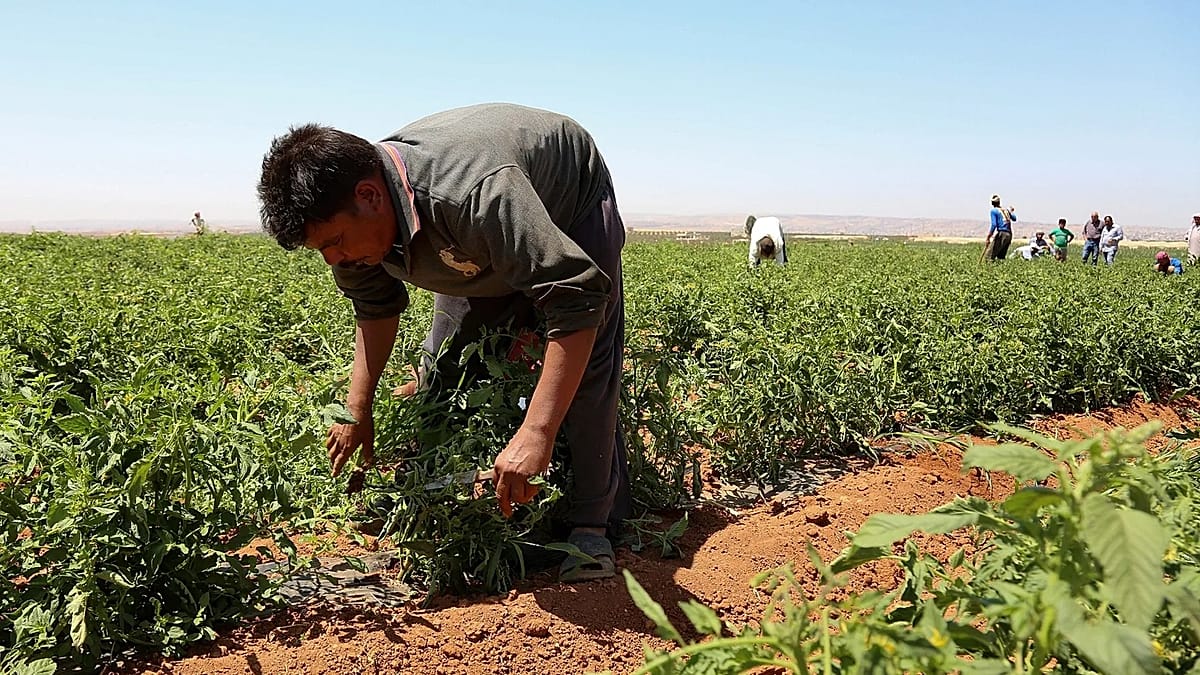
The agricultural sector in Western Europe, notably Greece, is grappling with a significant labor shortage, prompting the activation of an interstate agreement that had long been dormant. With the implementation phase now underway, Greece and Egypt are set to collaborate on employing Egyptian seasonal workers, aiming to meet the pressing demands of farming operations across various regions.
Details of the Agreement
This agreement allows for the legal employment of up to 5,000 Egyptian seasonal farm workers in Greece’s diverse agricultural landscape. According to Christos Giannakakis from the Hellenic Union of Agricultural Cooperatives, the process is already making strides. Approximately 150 potential workers have been registered with Decentralised Administrations, pending necessary approvals from the Greek embassy in Cairo. This careful vetting process aims to facilitate a smoother transition for the individuals seeking employment.
Addressing the labor crisis effectively involves more than just relocating workers. This initiative is part of a broader strategy to systematically tackle the increasing workforce deficiencies in Greek agriculture. With the high labor demands during harvest seasons—particularly for peaches, cherries, olives, kiwis, and citrus fruits—this agreement seeks to bridge the gap left by insufficient local labor.
Growing Interest and Potential Expansion
The initial commitment to bring in 5,000 workers may expand as more employers express interest; over 36 businesses have already signed on. Preparations involve both countries holding discussions in Cairo to iron out practical issues such as communication with the workers, employer coordination, and transfer logistics. The presence of the Egyptian deputy labor minister during these talks underscores the importance of this collaboration and the potential for fostering stronger bilateral ties.
Egypt is emerging as a vital labor source for Greece. With a youthful population exceeding 110 million, many Egyptians are eager to work legally abroad, drawn by competitive wages in the Greek agricultural sector. Giannakakis noted the keen interest among Egyptians for legal employment opportunities in Greece, emphasizing the need to channel this enthusiasm through organized procedures to avoid illegal immigration.
Worker Mobility and Conditions
An essential aspect of this scheme is providing temporary laborers with the ability to move between regions based on seasonal agricultural needs. Workers will have the opportunity to shift from one crop to another, facilitating continuous employment during the harvest cycle from locations such as Macedonia and Halkidiki to kiwi and citrus-producing areas. The maximum stay for these seasonal workers is nine months, yet they may apply for longer permits following their initial employment period, allowing for a more stable workforce.
Additionally, improving living conditions for these workers is a priority. Giannakakis highlighted the necessity for decent accommodation options, potentially via ISO-box type prefab units that provide essential hygiene facilities. Ensuring a comfortable living environment is crucial for maintaining a satisfied and returning workforce, ultimately benefiting production efficiency.
Although progress has been made in this initiative, some bureaucratic obstacles still exist. Giannakakis believes that while patience is required, the agreement is nearing a practical operational phase, promising efficient procedures moving forward. The successful implementation of this framework not only aims to resolve current agricultural labor shortages but also serves as a potential model for future agreements between Greece and other non-EU countries, which may be of particular interest to various European organizations.
In conclusion, as labor shortages threaten agricultural productivity, the activation of the agreement with Egypt represents a significant turning point. It promises to provide necessary labor for crop harvesting and enhance the stability of the employment landscape, thereby supporting Greece’s agricultural sector during challenging times.